I ordered a pizza one evening expecting absolutely nothing unusual.
It had been a long day, I didn’t feel like cooking, and pizza seemed like the easiest possible answer.
About half an hour later, the delivery driver arrived.
I took the warm box, thanked him, and carried it into the kitchen.
Everything seemed completely normal.
Then I opened the lid.
For a few seconds, I just stared.
The pizza smelled fine.
The crust looked golden.
The toppings appeared normal.
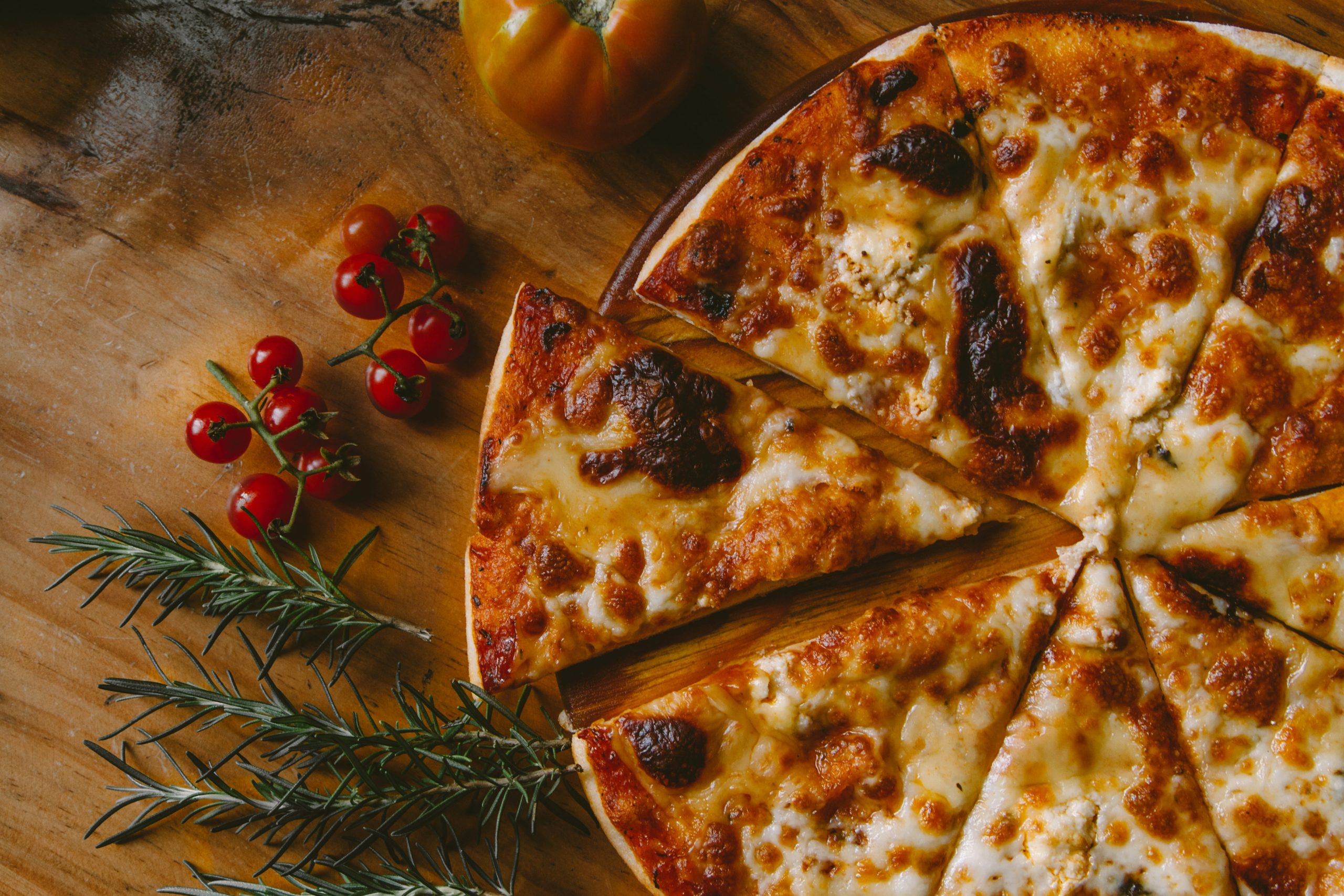
But the cheese looked strange.
Across the surface were dozens of raised bubbles—small rounded pockets that made parts of the pizza look almost blistered.
My first thought was simple:
Is this safe to eat?
At First, I Thought the Cheese Had Gone Bad
I leaned closer.
The bubbles weren’t fuzzy.
They didn’t look like mold.
They weren’t moving.
There was no unusual smell.
Still, something about the texture made me hesitate.
Maybe the cheese had spoiled.
Maybe the pizza hadn’t been cooked correctly.
Maybe something had happened during delivery.
Or perhaps the restaurant had used an ingredient that wasn’t fresh.
Within about 30 seconds, my brain had produced several explanations—almost all of them bad.
That’s one of the strange things about unfamiliar food.
We don’t necessarily need evidence that something is wrong.
Sometimes simply not recognizing what we’re looking at is enough to make us suspicious.
I Almost Threw the Pizza Away
For a moment, I considered closing the box and calling the restaurant.
But before doing that, I decided to find out whether other people had seen the same thing.
I searched for information about bubbles and blistering on pizza cheese.
And the explanation turned out to be considerably less dramatic than anything I’d imagined.
Those bubbles can be a completely normal result of baking.
In fact, food researchers have specifically studied blistering in cheeses used on pizza.
So What Actually Causes Those Bubbles?
When pizza is exposed to high temperatures, moisture in and around the cheese heats up.
Some of that water becomes steam.
Air and steam can become trapped beneath the melting cheese surface.
As those gases expand, they can push portions of the cheese upward, creating small domes or blisters.
Researchers studying mozzarella describe these blisters as pockets of heated air and steam that develop during baking.
In other words, what looked strange to me wasn’t necessarily evidence that something had gone wrong.
It could simply be evidence that something very ordinary had happened:
The pizza got hot.
Why Some Pizza Bubbles More Than Others
Not every pizza comes out of the oven looking identical.
The type and properties of the cheese matter.
So does its moisture content.
Fat content can matter.
The way the cheese melts matters.
Temperature and baking conditions matter too.
Research into pizza cheese has found that characteristics including moisture, free oil, elasticity and other properties influence blistering and browning during baking.
That’s one reason you might order pizza from the same restaurant several times and notice slightly different cheese patterns from one order to another.
A bubbly surface doesn’t automatically mean the restaurant did something wrong.
And Those Brown Spots Have an Explanation Too
Some of the bubbles on pizza become darker than the cheese surrounding them.
That also makes sense once you understand what’s happening.
As a blister rises, its upper surface can become thinner and lose moisture.
With continued heating, that exposed area may brown.
The browning of pizza cheese is also influenced by its composition and heat-driven reactions during baking.
Those little browned bubbles many people associate with a freshly baked pizza can therefore be part of the normal cooking process.
