For decades, an aging private jet sat beneath the relentless New Mexico sun.
Its red-and-silver exterior had faded. Its engines were gone. Parts of the cockpit were missing, and from the outside, the aircraft looked like little more than another forgotten relic from aviation’s past.
But this was no ordinary abandoned airplane.
It once belonged to Elvis Presley.
And while years in the desert had taken a serious toll on the outside, stepping into the cabin revealed something remarkable.
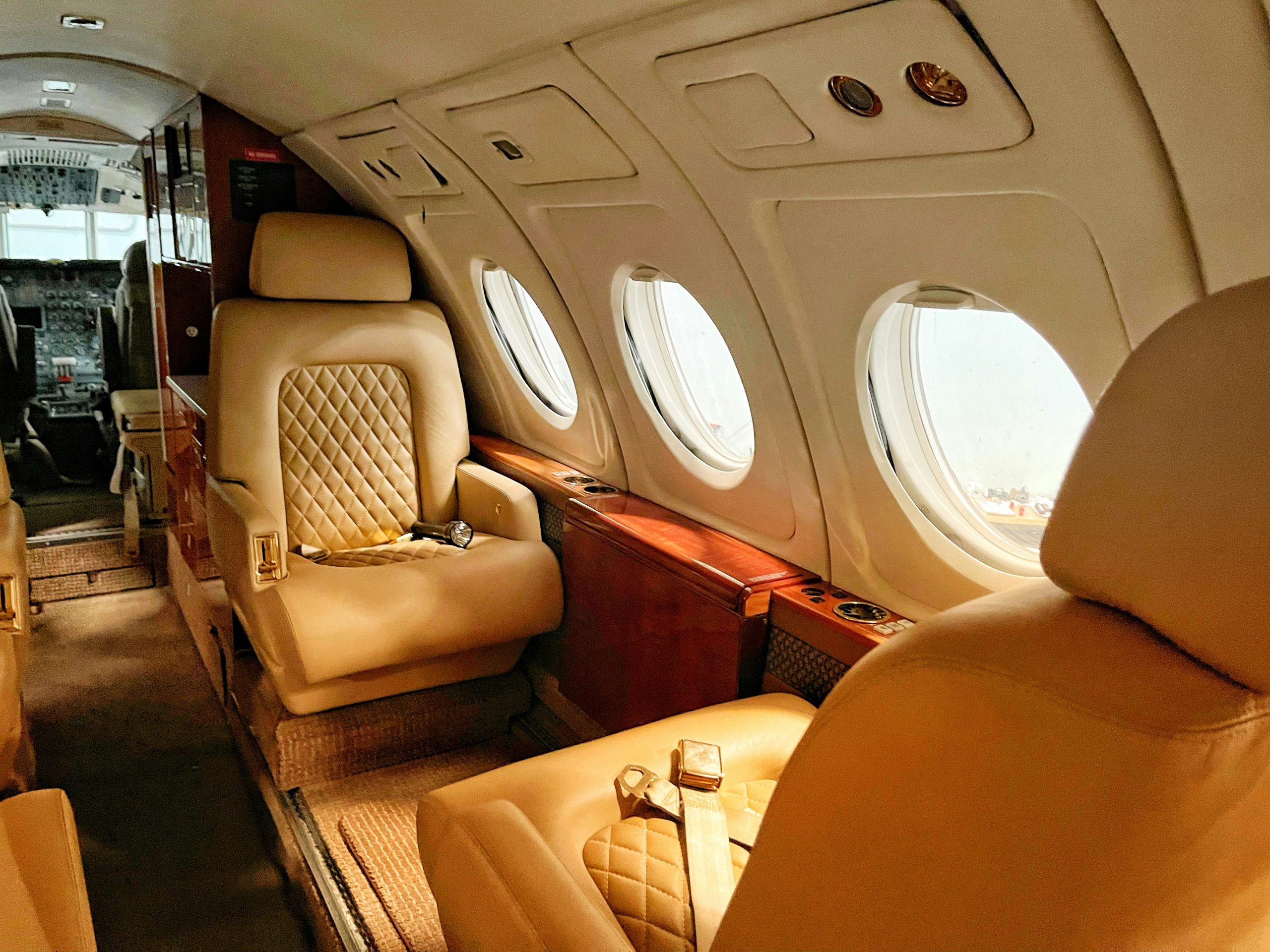
Much of the extravagant interior associated with the King of Rock and Roll’s era was still there.
Red velvet seats.
Gold-colored details.
Wood paneling.
Vintage entertainment equipment.
It was like opening a door into the 1970s.
The story of this 1962 Lockheed JetStar, however, didn’t end in the desert.
Decades after Elvis owned it, the aircraft was sold and given an entirely new purpose—allowing another generation of fans to experience an unusual piece of music history.
Elvis Bought the Jet Less Than a Year Before His Death
The aircraft was a 1962 Lockheed 1329 JetStar, a business jet produced during an era when private aviation was becoming an increasingly visible symbol of wealth and status.
Lockheed produced only 202 JetStars.
This particular aircraft became far more famous because of the man who purchased it.
Elvis acquired the JetStar on December 22, 1976, reportedly paying approximately $840,000.
It was an enormous amount of money at the time.
But Elvis was already one of the most famous entertainers on Earth.
Private aviation offered something particularly valuable to a celebrity of his stature: the ability to travel with greater privacy, flexibility and comfort.
Sadly, Elvis wouldn’t own this particular aircraft for long.
He died in August 1977 at the age of 42.
The Jet Eventually Ended Up in New Mexico
After Elvis’s ownership, the aircraft changed hands.
Eventually, it ended up at the Roswell International Air Center in New Mexico.
And there it remained.
Year after year.
Decade after decade.
The dry desert environment didn’t completely destroy the aircraft, but prolonged exposure to the elements clearly affected its exterior.
Its once-striking paint deteriorated.
The engines were removed.
Important cockpit components disappeared.
The aircraft was no longer capable of simply starting its engines and flying away.
To someone unfamiliar with its history, it could easily have looked like an old airplane waiting to be dismantled.
But its connection to Elvis changed everything.
Then You Stepped Inside
The most remarkable part of the JetStar was the contrast between its exterior and cabin.
Outside, decades of exposure were obvious.
Inside, much of its distinctive vintage character remained.
And the cabin certainly wasn’t subtle.
This was the 1970s, after all.
Red Velvet Seats Dominated the Cabin
Among the most recognizable interior features were six passenger seats upholstered in deep red velvet.
Modern private aircraft often favor understated shades of cream, gray, white and black.
Elvis’s JetStar came from a very different design era.
The red upholstery immediately gave the cabin a dramatic appearance.
Rather than looking like the interior of a commercial passenger aircraft, the cabin felt personalized and luxurious.
For Elvis fans, those seats became one of the aircraft’s most fascinating surviving features.
Gold-Colored Details Added to the Look
The red upholstery was complemented by gold-colored hardware and decorative details throughout the cabin.
Combined with the wood-paneled surfaces, the result was unmistakably vintage.
Some people might find the combination excessive by modern standards.
But that’s exactly what makes it interesting today.
The cabin is a physical time capsule from an era when celebrity luxury looked very different from today’s minimalist private jets.
The Plane Had Its Own Entertainment Equipment
Private entertainment technology was considerably more impressive in the 1970s than we might appreciate today.
