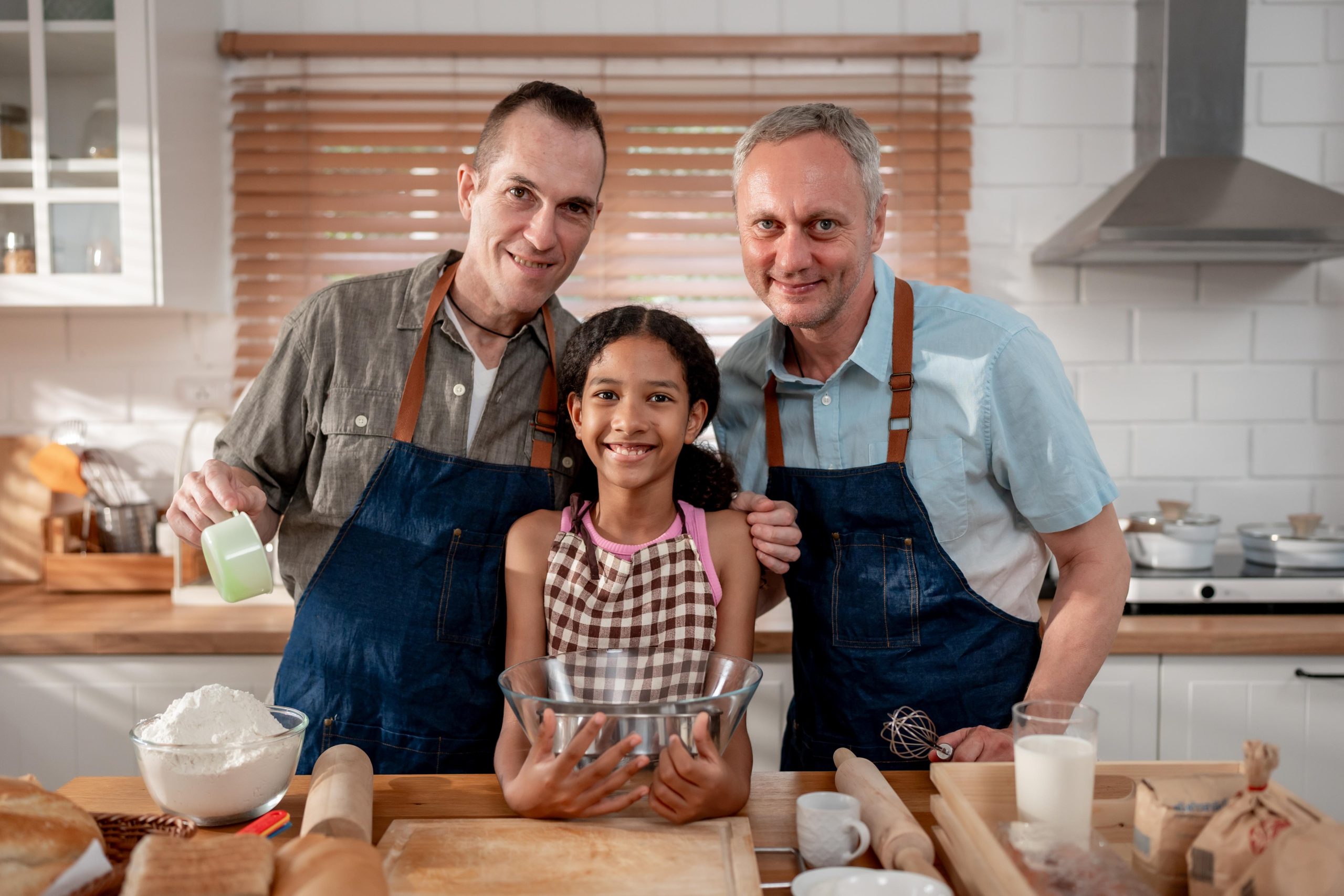
The man standing at our front door was someone I recognized immediately.
I’d seen his face in movies.
On television.
And on billboards.
Grant was a successful actor with the kind of money most families could only imagine.
But I never expected him to appear at our house.
Especially not on my daughter’s sixteenth birthday.
“I’m here about Willa,” he said.
My husband, Reid, stepped beside me.
“What about her?”
Grant hesitated.
Then he said something that made my stomach drop.
“I’m her biological father.”
For twelve years, Reid and I had raised Willa as our own.
She was blind.
She had spent her early childhood moving between foster homes.
And when we adopted her at four years old, she was terrified that the people who loved her might disappear.
We had spent twelve years helping her feel safe.
Now a stranger was standing at our door, offering to change everything.
He said he wanted to give Willa opportunities we couldn’t provide.
A better education.
Financial security.
A different future.
Then he revealed what he really wanted.
He was producing a documentary about his life.
And he wanted Willa to appear in it.
When we refused, he made another offer.
Three million dollars to help expand our bakery business.
All we had to do was cooperate with his documentary and allow Willa to live with him temporarily.
Reid looked at him.
Then he said six words I’ll never forget.
“Our daughter is not for sale.”
But the hardest part of that day was still ahead.
We had to tell Willa who had come to our door.
And she had questions none of us were prepared to answer.
The Little Girl Who Changed Our Lives
Twelve years earlier, Reid and I had been trying to become parents.
We’d been married for several years.
We had built a stable life together.
And we knew we wanted to raise a child.
But not everyone supported our decision.
Some relatives questioned whether two men could provide the right environment for a child.
Others suggested that adoption would be too difficult.
We listened.
Then we made our own decision.
We began the adoption process.
That’s how we met Willa.
She was four years old.
She had been blind since birth.
And she had already experienced several foster placements.
During our first meeting, she barely spoke.
She sat beside me, holding the sleeve of my shirt.
Whenever I moved, her fingers tightened.
At first, I didn’t understand.
Then her social worker explained that Willa had experienced repeated changes in caregivers.
She was afraid people might leave.
I sat beside her.
“I’m right here, sweetheart.”
She didn’t answer.
But she kept holding my sleeve.
Reid watched us quietly.
Later, when we were alone, he said:
“Nathan, I think we’ve found our daughter.”
I knew exactly what he meant.
Learning How to Be Her Fathers
When Willa first came home, everything was unfamiliar.
The rooms.
The sounds.
The routines.
Even the smell of breakfast in the morning.
We wanted her to feel safe.
But we also wanted her to develop confidence and independence.
So we learned.
We worked with professionals who understood the needs of blind children.
We made our home easier for her to navigate.
We used consistent organization and tactile labels.
We learned to explain unfamiliar spaces without assuming she needed help with every task.
And we listened when she told us what worked for her.
At first, Willa apologized constantly.
If she spilled something, she apologized.
If she asked a question, she apologized.
If she woke us during the night, she apologized.
One evening, I found her sitting quietly in bed.
