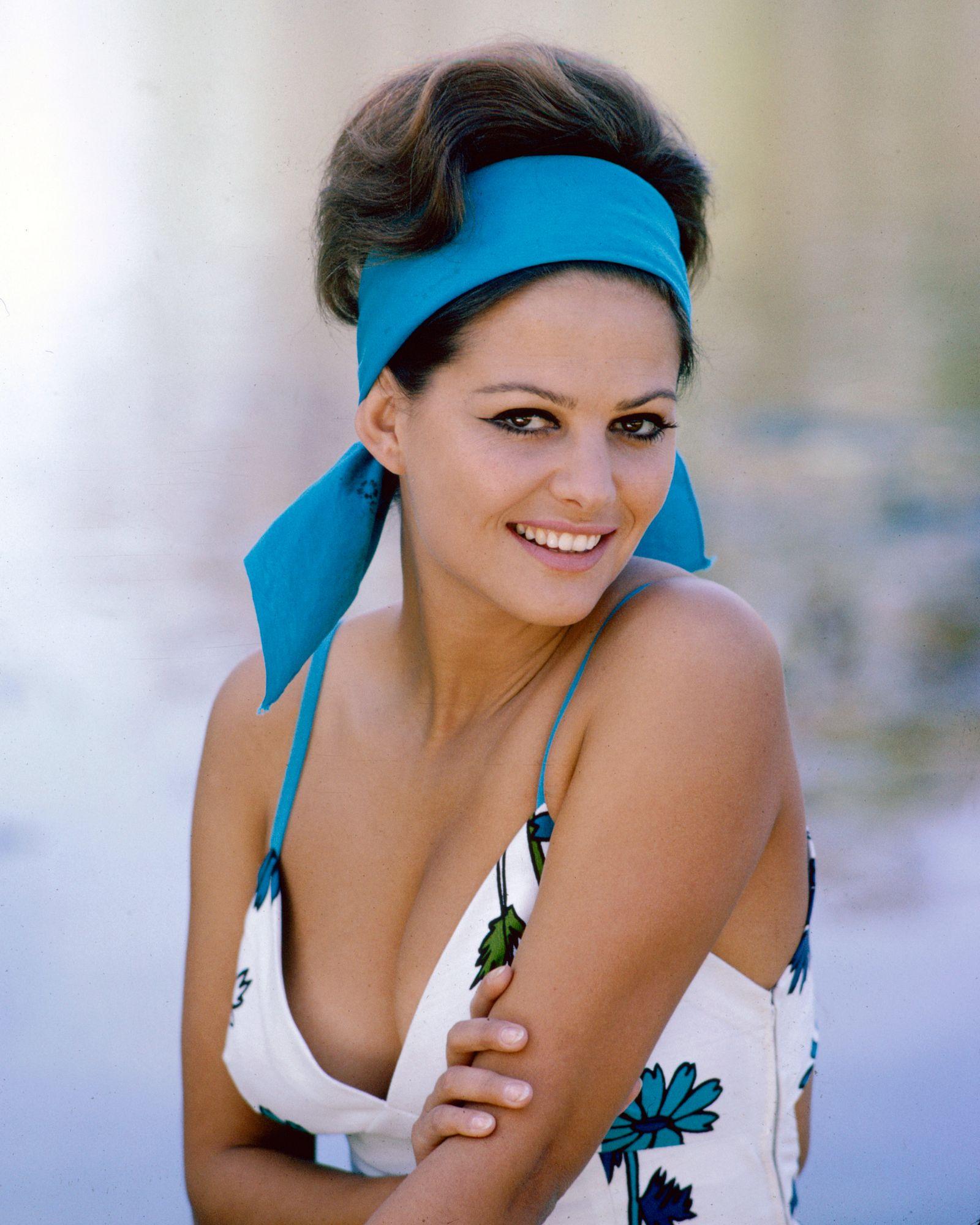
For millions of moviegoers, Claudia Cardinale represented the glamour of European cinema at its peak.
With her expressive eyes, distinctive voice, and commanding screen presence, she became one of the most recognizable actresses of the 1960s.
She appeared alongside Hollywood legends, worked with some of cinema’s greatest directors, and starred in films that audiences still watch decades later.
But behind the glamorous photographs and unforgettable performances was a much more complicated life.
Before she became internationally famous, Cardinale faced a deeply painful personal experience. She became a mother while still very young, and for years, her son was publicly presented as her younger brother.
It was a secret shaped by the social expectations and professional pressures of the time.
And it was only one chapter in the extraordinary journey of a woman who would eventually become an international film icon.
Claudia Cardinale died on September 23, 2025, at the age of 87.
Her remarkable career spanned more than six decades, leaving behind some of the most celebrated performances in European cinema.
A Childhood Far From Hollywood
Claudia Cardinale was born on April 15, 1938, in Tunisia, to a family of Sicilian heritage.
She grew up in a multicultural environment where different languages and traditions were part of everyday life.
French was central to her education, while her family’s background connected her to Sicily and Italian culture.
As a young woman, she didn’t initially imagine herself becoming a famous actress.
In fact, she had considered a very different future.
But in 1957, her life took an unexpected turn.
She won a beauty contest in Tunisia, earning a trip to the Venice Film Festival.
That visit brought her to the attention of people working in the movie industry.
Soon, film opportunities began appearing.
What had started as an unexpected trip would eventually change her life.
The Personal Secret Behind Her Early Fame
Cardinale’s early years in the entertainment industry were complicated by a painful experience.
She later spoke publicly about becoming pregnant after sexual violence when she was young.
In 1958, she gave birth to her son, Patrick.
At the time, an unmarried young mother could face significant social judgment, particularly within the conservative expectations surrounding female movie stars.
For years, Patrick was publicly presented as her younger brother while her parents helped raise him.
The arrangement allowed Cardinale’s career to develop without the public knowing the full circumstances of her motherhood.
But it also meant living with a deeply personal secret.
Her story reveals the pressures that women in the entertainment industry faced during that era.
While audiences admired the glamorous young actress on screen, her private life was far more complicated than the image being presented.
Becoming a Star in Italian Cinema
Cardinale began building her acting career in the late 1950s.
Her early film appearances attracted attention, but her success didn’t happen entirely without obstacles.
Because of her linguistic background, her voice was dubbed in some of her early Italian films.
Over time, she became increasingly comfortable working within the Italian film industry.
She appeared in productions that allowed her to develop her acting skills and demonstrate her range.
One important early film was Rocco and His Brothers in 1960, directed by Luchino Visconti.
The film helped establish her association with ambitious European filmmaking.
By the beginning of the 1960s, Cardinale was becoming one of the most sought-after actresses in Italian cinema.
Then came a year that would define her career.
1963: The Year That Changed Everything
In 1963, Cardinale appeared in several major films, including Federico Fellini’s 8½, Luchino Visconti’s The Leopard, and Blake Edwards’s The Pink Panther.
