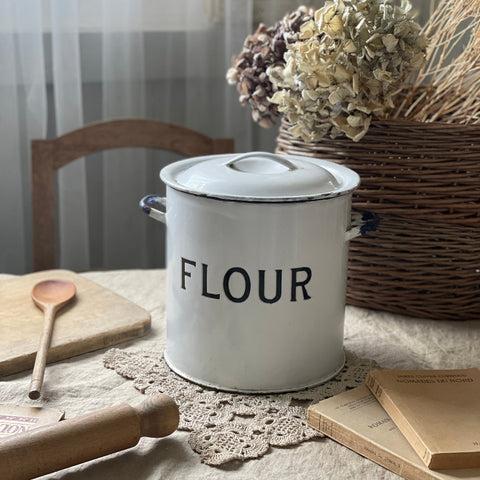
The day after we buried my mother, I found $18,940 hidden inside an old flour tin in her pantry.
For more than thirty years, she’d kept that tin on the highest shelf.
When I was twelve, she’d slapped my hand for trying to open it.
I never understood why.
Now, standing in her kitchen with the funeral flowers still on the table, I finally learned what she’d been hiding.
But the money wasn’t the part that frightened me.
Beneath the bundles of cash was an envelope.
My name was written across the front in her familiar handwriting.
Linda.
Not my brother’s name.
Not both of ours.
Just mine.
Inside was a three-page letter.
The first sentence read:
I’m sorry, Linda.
The second made my knees feel weak.
I should have told you what Wayne did with your settlement.
I sat down in my mother’s kitchen chair.
Because when I was seventeen, I’d been hit by a delivery truck.
My stepfather had handled the insurance settlement.
He’d told me the money was gone.
And for thirty years, I’d believed him.
Until that afternoon.
The Pantry My Mother Kept Perfectly Organized
My mother, Beverly, was the kind of woman who knew exactly what was in every cupboard.
She arranged canned vegetables by expiration date.
She kept sugar in the same glass jar for decades.
Her coffee filters lived in a faded yellow Tupperware container that had been sitting on the second shelf since the early 1990s.
Even her spices were arranged alphabetically.
When I was younger, I used to tease her about it.
“Mama, nobody needs to organize cinnamon and paprika like they’re library books.”
She would smile.
“You’ll understand when you have your own kitchen.”
But I never fully understood.
Not until after she died.
My mother had lived through years when money was uncertain.
My father died young, leaving her with two children and a house she could barely afford.
She learned to make things last.
She saved jars.
Reused containers.
Folded grocery bags.
And kept the pantry stocked as though another difficult winter might arrive without warning.
There was one thing in that pantry, however, that nobody was allowed to touch.
The flour tin.
The Saturday Morning I Reached for It
I was twelve when I first discovered that the tin was forbidden.
It was a Saturday morning.
I wanted to make biscuits.
The flour canister beside the stove was empty, so I climbed onto the small step stool and reached toward the top shelf.
The old enamel tin was white with a blue pattern around the rim.
Its paint was chipped.
It looked like something that had been in our family forever.
I had just started lifting it when Mama appeared.
“Linda, don’t!”
Her hand struck mine.
The tin nearly slipped from my fingers.
I began crying.
Not because it hurt terribly.
Because my mother had never reacted that way over something so small.
She took the tin and placed it back on the shelf.
Then she stood very still.
A few minutes later, she made me cocoa.
We sat at the kitchen table.
She stroked my hair and apologized.
“I’m sorry, sweetheart.”
I asked what was inside the tin.
She looked toward the pantry.
“Nothing you need to worry about.”
That was all she said.
I never touched it again.
The Woman We Buried on Thursday
Mama was seventy-eight when she died.
She suffered a stroke during the night.
The hospice nurse told us she likely hadn’t been aware of what was happening.
I wanted to believe that.
I needed to believe it.
Her funeral was held on a Thursday.
