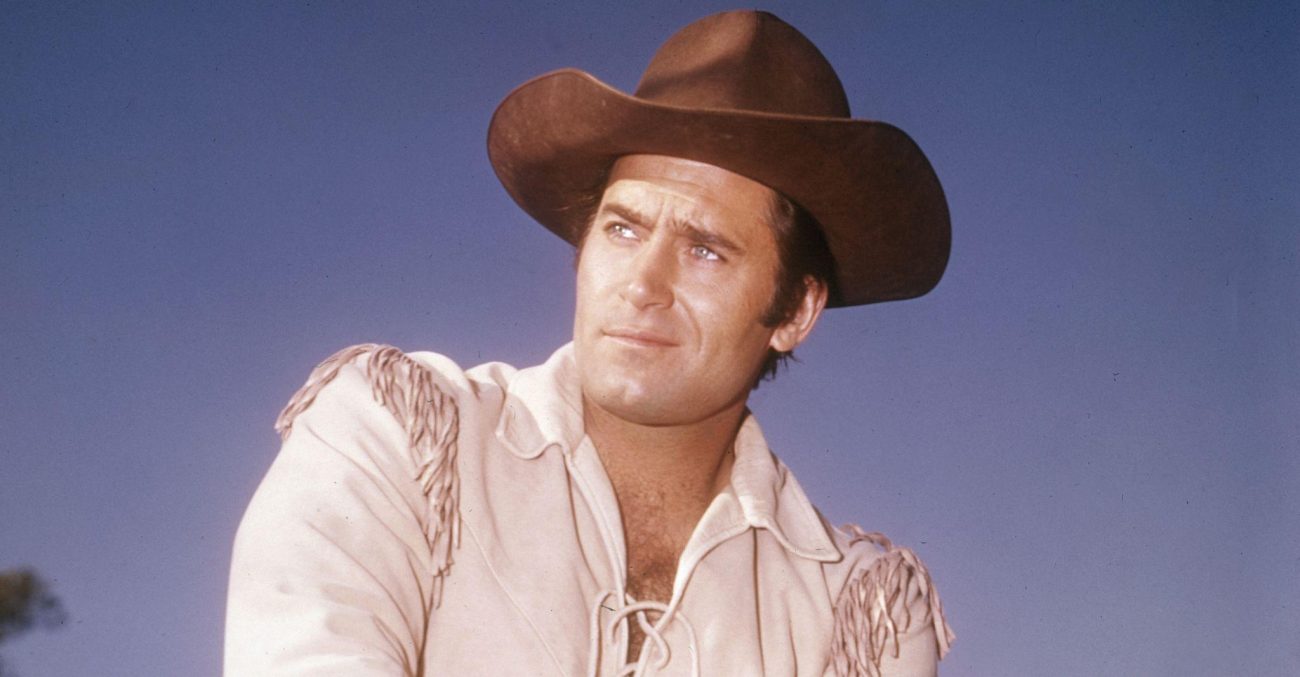
Clint Walker had the kind of screen presence that was impossible to overlook. Standing 6 feet 6 inches tall, with broad shoulders, a deep voice, and an unmistakably calm manner, he became one of television’s most recognizable Western stars.
For millions of Americans who grew up watching Cheyenne, Walker was more than a familiar face. He represented an era when television heroes didn’t need elaborate speeches to make an impression. Sometimes a steady look, a few carefully chosen words, and the courage to do what was right were enough.
But long before he became Cheyenne Bodie, Walker lived a very different life. His journey from a small Illinois town to Hollywood involved hard work, wartime service, and a series of unexpected opportunities.
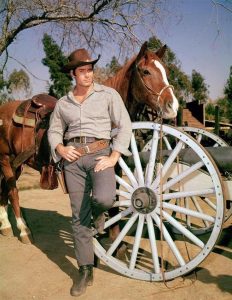
From Small-Town Illinois to Hollywood
Clint Walker was born Norman Eugene Walker on May 30, 1927, in Hartford, Illinois. He grew up during the Great Depression, a period when many American families faced financial uncertainty and young people often entered the workforce early.
Walker was no exception.
As a teenager, he worked a variety of jobs, including factory work and jobs on the Mississippi River. At seventeen, he joined the United States Merchant Marine during World War II.
After the war, he continued moving between jobs and locations, eventually working in Texas, California, and Nevada.
Among his occupations were sheet-metal work, security work, and employment at a Las Vegas hotel.
His early years were far removed from the glamour of Hollywood, but they gave him an unusual background for a future television star.
He had experienced physically demanding work and the uncertainties of earning a living long before audiences began recognizing him on screen.
The Role That Changed Everything
Walker’s opportunity in Hollywood came during the 1950s.
After receiving encouragement to pursue acting, he attracted attention from people in the film industry and eventually came to Warner Bros.
In 1955, he was cast as Cheyenne Bodie in the television Western Cheyenne.
The series became a defining part of his career.
At a time when Westerns were becoming enormously popular on American television, Walker offered audiences a distinctive leading man.
Cheyenne Bodie was a wandering cowboy who encountered dangerous situations, helped people in trouble, and often found himself confronting injustice.
Walker brought physical strength to the role, but his appeal went beyond his size.
He portrayed Cheyenne as a thoughtful, restrained man who didn’t need to prove his toughness at every opportunity.
That combination helped make the character memorable.
The series ran from 1955 to 1962 and became one of the landmark Western programs of its era.
Why Audiences Remember Cheyenne Bodie
There were plenty of cowboys on television during the 1950s and early 1960s.
But Clint Walker stood apart.
His towering height made him immediately recognizable, yet his performances rarely depended on exaggerated gestures.
He could convey determination without shouting and authority without constantly displaying aggression.
For viewers, that made Cheyenne Bodie a particularly appealing hero.
He was strong enough to face danger but often preferred fairness and restraint.
The series also arrived at an important moment in television history, when Western adventures were becoming a regular part of family entertainment.
For many households, watching programs like Cheyenne became a weekly tradition.
Decades later, the series remains closely associated with the golden age of television Westerns.
A Career Beyond Television
Although Cheyenne made Walker famous, his career extended well beyond the series.
He appeared in several Western films, including Fort Dobbs (1958), Yellowstone Kelly (1959), and The Night of the Grizzly (1966).
These films allowed him to continue playing rugged characters while reaching movie audiences.
In The Night of the Grizzly, Walker portrayed Jim Cole, a former lawman whose efforts to build a new life are threatened by a dangerous bear.
