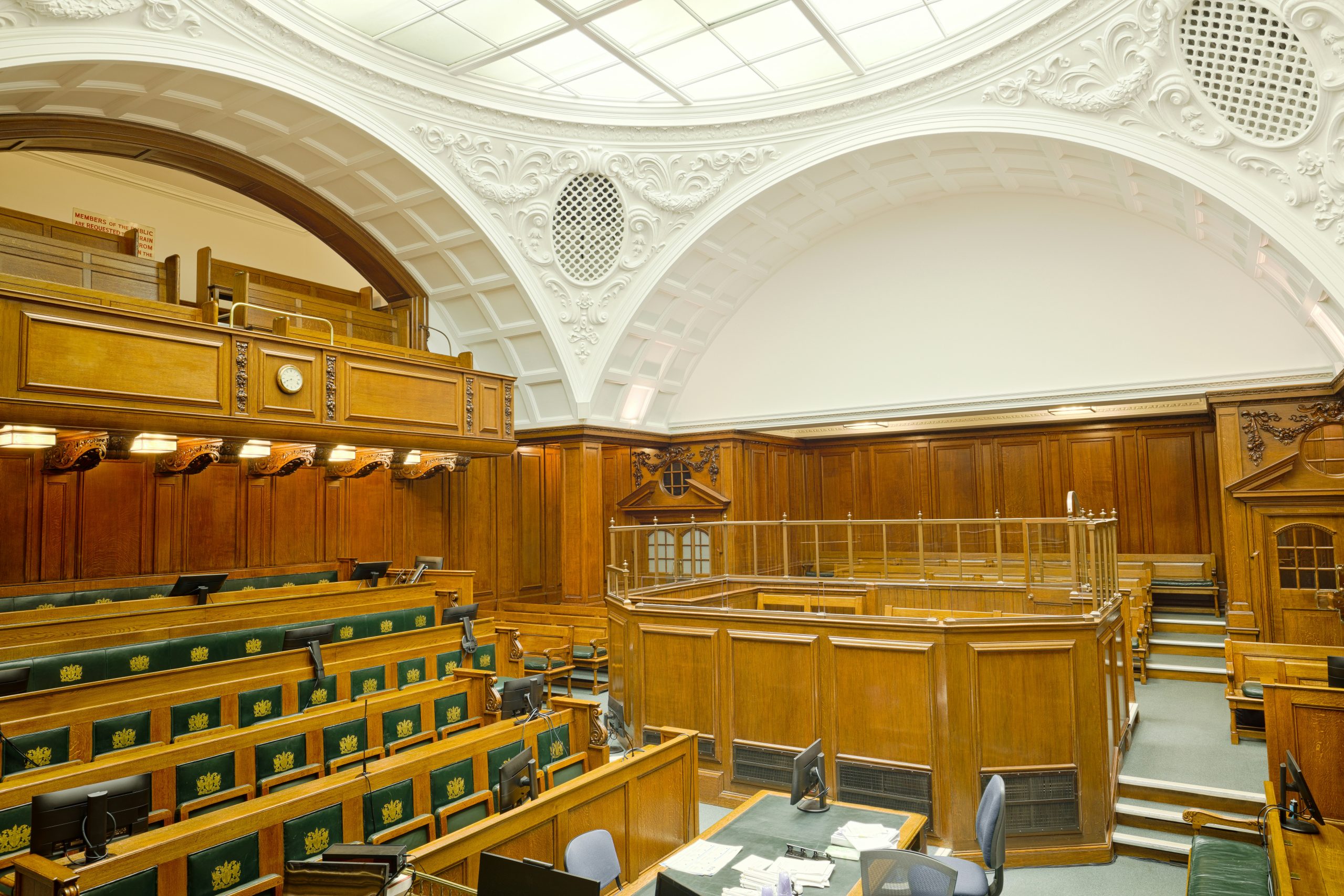
Walter looked down.
Mr. Harrison’s voice became quieter.
“You should’ve talked to me.”
But There Was Still a Problem
Compassion didn’t erase what had happened.
Walter had taken merchandise that wasn’t his.
Good intentions don’t automatically make unlawful conduct lawful.
The judge made that clear.
Helping people in need was admirable.
Stealing from someone else to do it wasn’t.
Walter nodded.
“I understand.”
And that distinction changed the atmosphere of the courtroom.
This wasn’t going to become a story where theft was magically transformed into heroism.
Walter had made a serious mistake.
But now everyone understood why.
The question became what should happen next.
Mr. Harrison Asked for a Recess
After consultation through the proper process, the store owner indicated that his primary concern was recovering the loss and preventing anything similar from happening again.
He didn’t want to see Walter incarcerated if another lawful resolution was available.
Then he said something nobody expected.
“I want to know who those families are.”
Walter immediately shook his head.
“No.”
Mr. Harrison raised his hand.
“I don’t need their names.”
Walter looked at him.
“I just need to know what they need.”
The Judge Looked at the List Again
There were more than a dozen names.
Some appeared repeatedly.
Beside one was:
Milk, cereal, children’s toothpaste.
Beside another:
Blanket, soup, batteries.
These weren’t luxury goods.
They were ordinary things most people barely noticed when placing them in a shopping cart.
The judge folded the paper.
Then he looked toward Walter.
“Mr. Miller, what you did was wrong.”
“Yes, sir.”
“Your reason does not change that.”
“I know.”
“But your reason matters when the court considers the full circumstances and whatever lawful options are available.”
Walter nodded.
Walter Didn’t Go to Jail That Day
The final resolution reflected the unusual circumstances of the fictional case, Walter’s age, his guilty plea, the store owner’s position and the available alternatives.
He wasn’t simply told that stealing was acceptable because he’d helped people.
It wasn’t.
Instead, arrangements were made to address restitution and ensure Walter would not continue taking merchandise.
But something else happened before he left the courthouse.
Something Walter hadn’t planned.
The story of the neighborhood’s needs could no longer be ignored.
Mr. Harrison Put a Box Near the Store Entrance
A week later, customers walking into Harrison’s Market noticed a large wooden box near the entrance.
A sign above it read:
THE WALTER SHELF
Underneath were two instructions:
If you can give, leave something.
If you need something, take what you need. No explanation required.
Mr. Harrison worked with local organizations to make sure the program operated appropriately.
Customers donated canned food.
Soap.
Diapers.
Pet food.
Toothpaste.
Blankets.
Gift cards.
The store contributed products too.
Walter hated the name.
“You shouldn’t have put my name on it,” he complained.
Mr. Harrison laughed.
“It’s my store.”
For once, Walter didn’t have an answer.
Then Something Unexpected Happened
The story spread around the neighborhood.
Not the names of the people Walter had helped.
Those remained private.
But people learned that an elderly man had spent years quietly trying to help struggling neighbors.
Donations increased.
A local business contributed grocery vouchers.
A community group offered assistance.
People who’d lived on the same streets for years began discovering how many of their neighbors were struggling silently.
Walter had been trying to solve a community-sized problem with one old man’s wallet.
When the wallet wasn’t enough, he’d made the terrible decision to start taking things.
Now the community finally understood that the solution couldn’t depend on Walter alone.
Margaret Visited Him the Following Morning
Walter was sitting on his porch.
