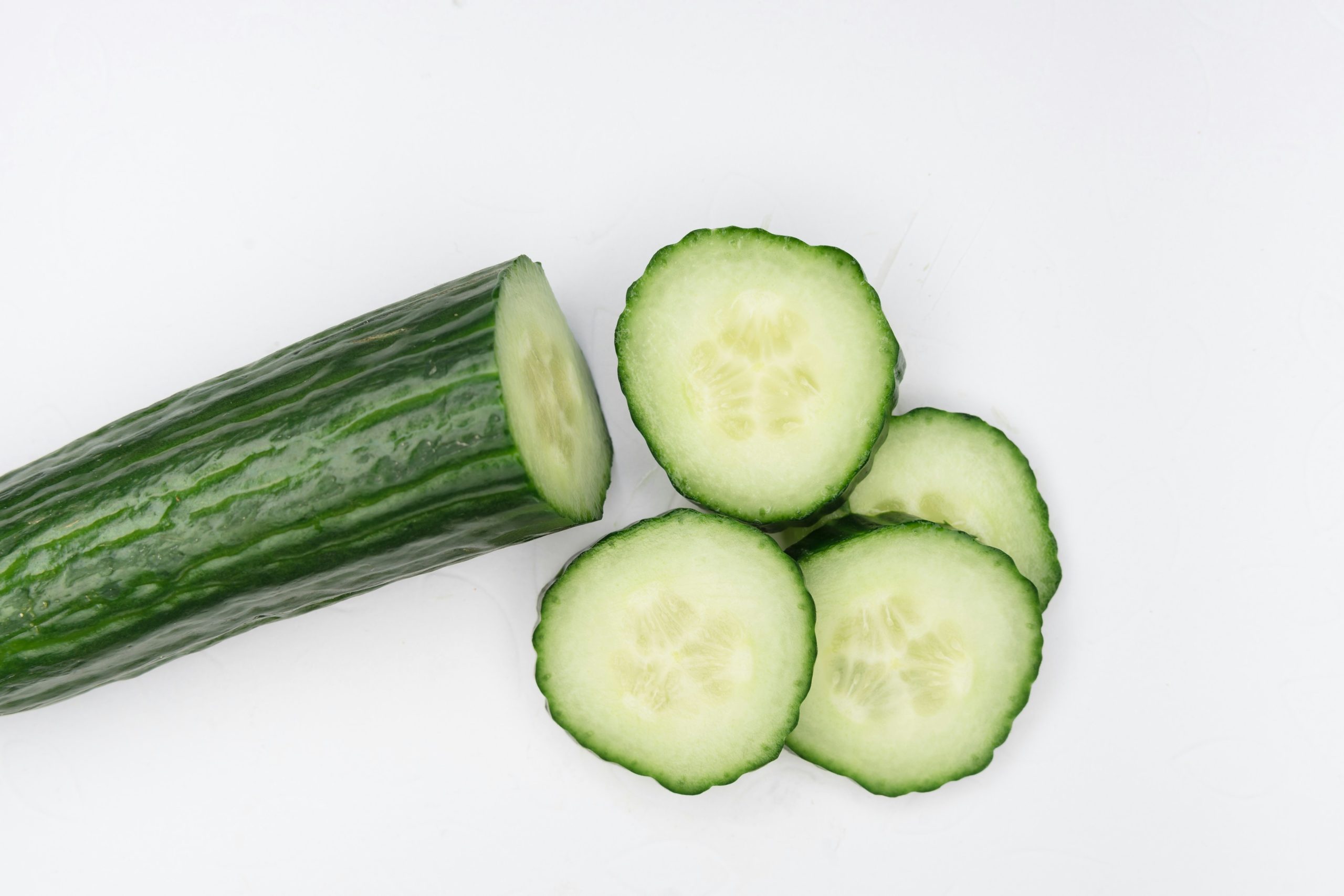
At the supermarket, unattractive produce may never be purchased.
At home, vegetables that lose their appealing texture often end up in the trash.
Packaging that extends marketable quality can therefore potentially reduce food waste.
And that’s where the environmental debate becomes more complicated.
But Isn’t All That Plastic Wasteful?
Yes, there’s a legitimate environmental downside.
Individually wrapping vegetables creates packaging waste.
For someone trying to reduce single-use plastic consumption, seeing every cucumber covered in its own wrapper can understandably feel unnecessary.
But environmental impact isn’t determined by plastic alone.
Food production also consumes resources.
Growing a cucumber requires land and water.
Harvesting and packing require labor and energy.
Transportation requires fuel.
Storage and refrigeration require additional energy.
If produce spoils and is discarded, those resources were used for food that nobody ultimately ate.
So the real environmental question isn’t simply:
“Is plastic bad?”
It’s more complicated:
Does the small amount of packaging prevent enough food loss to justify its use, and are better alternatives available?
The answer can vary depending on the supply chain and packaging system.
Could We Replace the Plastic?
Researchers and food producers have explored alternatives.
One promising area involves edible or biodegradable coatings and films.
USDA research has examined coatings capable of reducing moisture loss and maintaining produce quality while potentially reducing reliance on conventional plastic packaging.
Some produce already receives edible wax coatings for similar reasons.
The challenge is finding materials that work well, remain affordable, protect the food adequately and create a genuinely better environmental outcome.
So the familiar plastic-wrapped cucumber may not necessarily look exactly the same forever.
Should You Remove the Plastic When You Get Home?
There’s no need to unwrap an English cucumber the moment you walk through the door simply because the packaging looks unnecessary.
The film is helping limit moisture loss.
Once you’re ready to use the cucumber, remove the packaging and wash the produce appropriately before preparing it.
If you’ve already cut the cucumber, store the remaining portion covered in the refrigerator and use it reasonably soon.
But there’s another storage detail many people don’t realize.
Cucumbers Don’t Actually Love Extremely Cold Temperatures
We tend to assume that colder always means better when storing fresh vegetables.
That’s not true for every type of produce.
Cucumbers are sensitive to chilling.
Commercial recommendations generally place ideal cucumber storage around 50–55°F with high relative humidity.
USDA guidance warns that prolonged exposure below approximately 50°F can cause chilling injury.
That can lead to problems such as pitting and deterioration.
Of course, most home refrigerators run colder than the ideal commercial cucumber-storage temperature.
That’s one reason cucumbers aren’t vegetables you should expect to store indefinitely.
Buy what you’ll realistically use.
Keep them protected from excessive moisture loss.
And don’t forget them in the back of the refrigerator for weeks.
Don’t Store Them Beside Everything
There’s another interesting detail.
Cucumbers are sensitive to ethylene, a natural plant hormone involved in ripening.
Some fruits and vegetables produce more ethylene than others.
Commercial storage guidance therefore takes ethylene exposure into account when handling cucumbers.
At home, the practical lesson is simple:
Don’t assume every fruit and vegetable stores best when piled together.
Proper produce storage can make a noticeable difference in how quickly food loses quality.
Is an English Cucumber Healthier?
The plastic wrapper doesn’t mean the cucumber is healthier.
And an English cucumber isn’t automatically a nutritionally superior choice simply because it costs more or comes individually packaged.
The differences shoppers usually notice are primarily about:
texture,
skin thickness,
seed size,
flavor,
shape,
and convenience.
Many people prefer English cucumbers because their skin is tender and their seeds are small.
