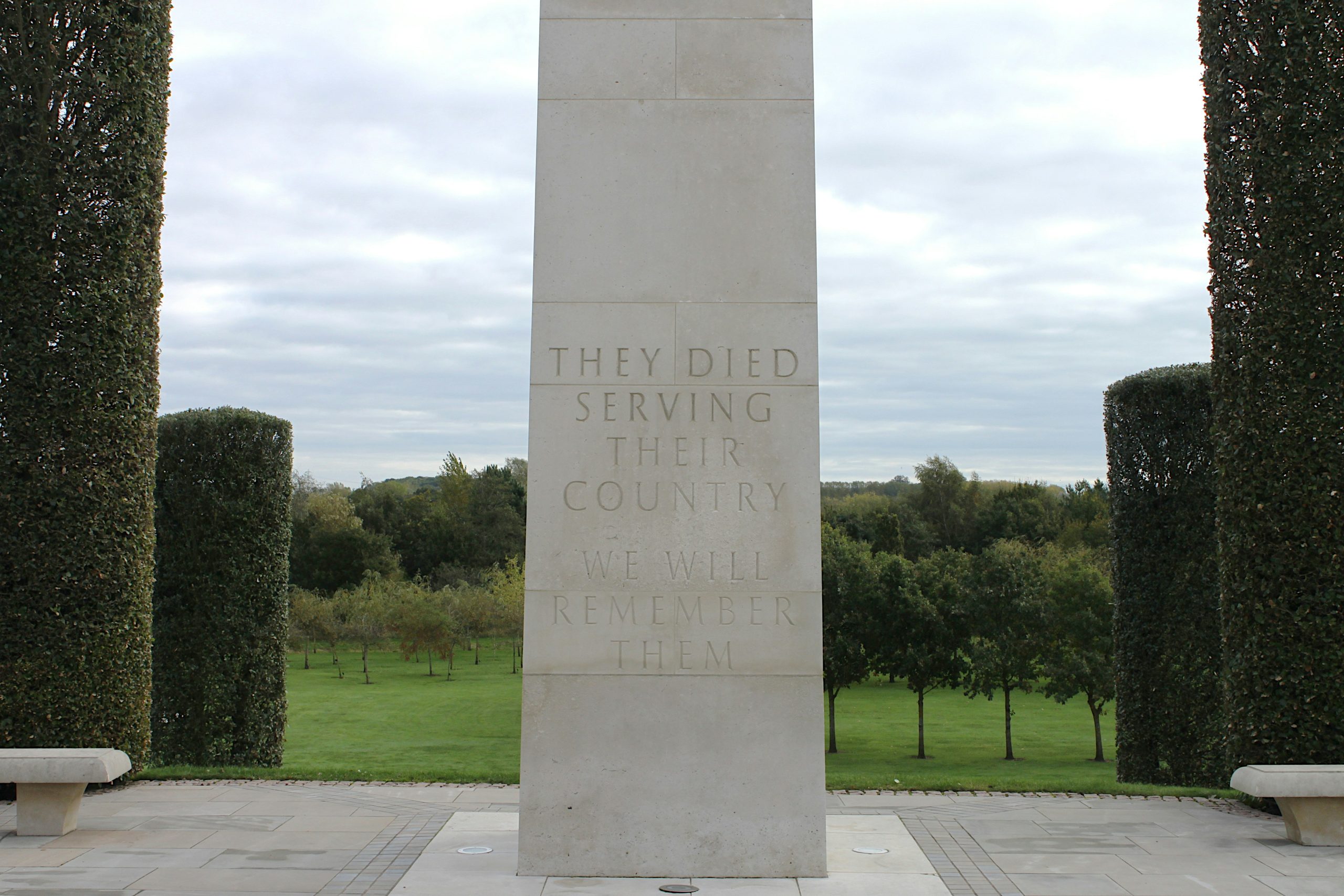
Until suddenly it isn’t.
Thomas entered military service and eventually trained as a pilot.
I was proud of him.
I was also terrified.
We tried not to let fear dominate our conversations.
He wrote whenever he could.
Some letters were long.
Others were barely a page.
He told me about the heat.
The noise.
The men he served with.
He rarely wrote about danger directly.
Instead, he asked about home.
What was happening on campus?
Was the coffee shop still open?
Had my mother finally replaced that terrible green sofa?
Was I still reading novels until two in the morning?
And always, somewhere near the end, there was a sentence about coming home.
The Last Letter Arrived on a Thursday
I remember because I had an exam the following morning.
Thomas’s letter was shorter than usual.
He said he was tired.
He said there were things he wanted to tell me when he returned.
Then he wrote:
“Don’t let this place become the biggest part of our story.”
I read that sentence dozens of times.
At the time, I thought he meant the war.
Later, I wondered if he’d been afraid.
Three days after I received the letter, two uniformed men came to his parents’ house.
His aircraft had disappeared during a mission.
Thomas was missing.
Everyone Wanted Certainty
There wasn’t any.
That was the worst part.
There had been a mission.
There had been trouble.
Communication had been lost.
The aircraft did not return.
Search efforts failed to provide the answers his family desperately wanted.
No one could tell us exactly what had happened during those final minutes.
I asked questions.
Thomas’s father asked questions.
His mother asked more than either of us.
But the answers always seemed to lead back to the same place.
We don’t know.
Eventually, official uncertainty became the closest thing we had to an ending.
But uncertainty isn’t an ending.
It’s a door that never completely closes.
For Years, I Expected Him to Walk Through Every Door
That sounds ridiculous now.
But grief isn’t always logical.
I’d be sitting in a restaurant and hear a man’s laugh.
My heart would stop.
I’d see someone with Thomas’s build walking through an airport.
I’d stare.
Once, I followed a stranger halfway through a department store because he moved the way Thomas moved.
When he turned around, he was at least 15 years older.
I went into the restroom and cried.
I wasn’t convinced Thomas was alive.
I simply couldn’t convince myself that he was dead.
There was a difference.
Life Continued Anyway
Eventually, I learned something painful.
You can love someone who is gone and still continue living.
I married.
His name was Robert.
Before our wedding, I told him everything about Thomas.
I even showed him the letters.
Robert didn’t compete with a ghost.
That may have been one of the reasons I loved him.
He once told me:
“Thomas belongs to the person you were before you met me. I don’t need you to erase her.”
We had two children.
Then grandchildren.
Robert and I shared 38 years together before cancer took him.
I loved my husband.
Completely.
And still, every year, I brought Thomas a white rose.
Robert knew.
Sometimes he drove me there.
My Children Never Really Understood the Ritual
They respected it.
But I don’t think they understood.
My daughter once asked:
“Mom, what are you hoping will happen?”
I didn’t know how to answer.
I wasn’t expecting Thomas to return.
I wasn’t waiting to restart the life we’d planned at 21.
That life was gone.
We were gone.
Even if Thomas somehow appeared tomorrow, we’d be strangers carrying memories of two young people who no longer existed.
