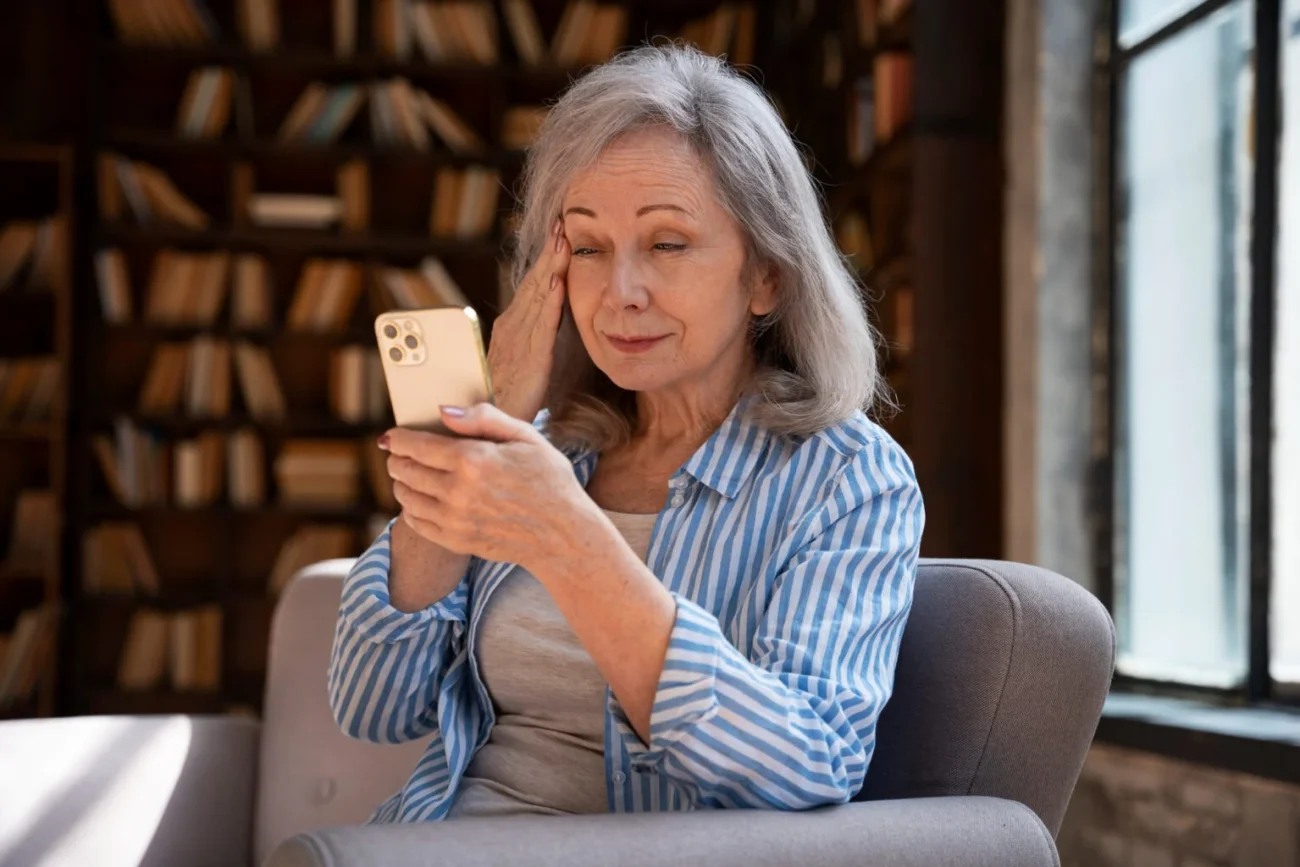
My study smells like coffee and lavender now, the two candles I light in the morning when I sit down to work. Bella is under the desk. The photograph of Arthur that I love most, the one from the summer we drove up to Vermont before Sebastian was born, is visible from where I sit. The wine-colored notebook on my shelf no longer holds debt figures. It holds the early notes for a video channel I am building, something modest and honest, where I talk about the particular experience of women who learned, often later than they would have liked, that the word enough is a complete sentence.
Sebastian comes twice a month. He brings pastries sometimes, the kind from the bakery on Atlantic Avenue that we used to go to on Sunday mornings when he was small. We do not talk about Valerie or about money or about what was almost taken from me. We talk about his therapy, which he describes with the cautious, discovering language of someone learning to see themselves clearly for the first time. We talk about Bella. We talk about Arthur sometimes, which we have not done in years, and those conversations feel like recovering something that had been stored in a garage in bubble wrap.
There is a particular satisfaction in the knowledge that my house is still mine. Not the dramatic satisfaction of victory in a contest, but something quieter and more sustaining, the satisfaction of a woman who looked at what was being done to her and refused to be the last one to understand it.
That night at the Ivy Garden, they believed I had arrived to pay a bill. They had arranged everything carefully toward that outcome, the time of the invitation, the extravagance of the order, the faces around the table positioned to watch. They had underestimated, in the way people consistently underestimate quiet women who have spent decades paying close attention, the possibility that I had already seen the shape of what they were doing long before they brought me to the restaurant to complete it.
I did not arrive to pay a bill.
I arrived to collect one.
The debt they owed me was not only the thirty-two thousand dollars that now sits, recovered, in my account. It was the cost of three years of swallowed humiliation and deliberate blindness and the slow, patient work of a woman who kept a notebook and waited until the moment was exactly right.
That bill, after everything, has been paid.
And everything else, the life I am living now, the coffee in the morning and the dog under my desk and the door that is slowly, carefully opening again for my son, that is not repayment. That is simply what remains when you finally stop agreeing to disappear.
