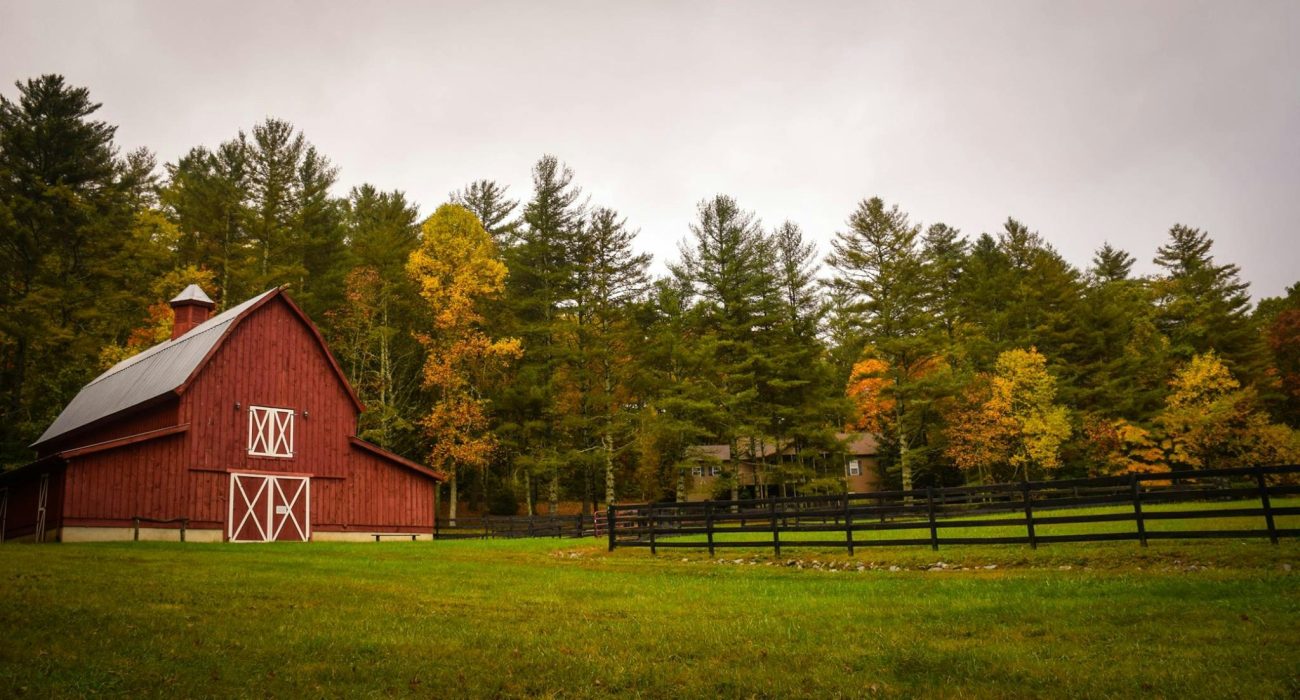
I was washing dishes when he walked into the kitchen.
“What’s wrong?”
He sat down.
“Dad’s selling the farm.”
I turned off the faucet.
“What?”
“He says he doesn’t need eighty acres anymore.”
“But he told you the farm would stay in the family.”
Luke nodded.
“I know.”
“Did he say why?”
My husband stared at the floor.
Then he repeated his father’s words.
“If you’re going to build your life around that town girl, you can build it somewhere else.”
I stood there with a dish towel in my hands.
For several seconds, I couldn’t speak.
Walt had every legal right to sell property he owned.
But he’d spent years telling Luke that the farm was his future.
Now he was using it to punish him for choosing a wife.
The $286,000 Sale
Walt sold the property that summer for $286,000.
The buyer was a regional investment company that owned several parcels of farmland.
The sale included the farmhouse, barn, pasture, and surrounding acreage.
Luke found out the closing had taken place when he drove past the entrance and saw a new sign beside the road.
PROPERTY UNDER NEW OWNERSHIP.
He pulled over.
For a long time, he sat in his truck.
Then he called me.
“Amy,” he said, “it’s gone.”
I left work early and drove to meet him.
He was standing beside the old fence.
I walked over and took his hand.
He didn’t cry.
That almost made it worse.
He just stared at the farmhouse.
“My grandpa built that porch,” he whispered.
I squeezed his hand.
“I know.”
“Dad promised me we’d keep it.”
I didn’t know how to answer.
So I stood beside him until the sun began to set.
That evening, Luke said something that stayed with me.
“I don’t care about the money. I just wanted my kids to know where I came from.”
We didn’t have children yet.
But I understood.
The farm wasn’t simply land.
It was his childhood.
His grandfather’s work.
His mother’s garden.
Every Christmas morning he’d ever known.
And now it belonged to strangers.
The Plan We Didn’t Tell Anyone
A few weeks after the sale, I found Luke looking at photographs of the farmhouse.
He quickly closed the album when I entered.
I sat beside him.
“Do you think we’ll ever get it back?”
He shook his head.
“No.”
“Why not?”
“Because we don’t have that kind of money.”
I thought about our finances.
We were living in a modest rental house.
Luke worked as an agricultural equipment mechanic.
I worked four days a week at a dental practice.
We paid our bills.
We had some savings.
But we were nowhere near being able to buy eighty acres.
Still, I couldn’t stop thinking about it.
“What if we started saving?”
Luke looked at me.
“Amy, the farm sold for almost three hundred thousand dollars.”
“I know.”
“And the new owners aren’t selling.”
“Maybe not today.”
He gave me a tired smile.
“You’re stubborn.”
“Only when something matters.”
That night, we opened a separate savings account.
We called it the Farm Fund.
We deposited $500.
It wasn’t much.
But it was a beginning.
Four Years of Saturdays
The next four years weren’t glamorous.
I started taking extra Saturday shifts at a second dental practice.
Some weekends, I worked ten hours.
Luke repaired tractors and farm equipment after his regular job.
We stopped taking expensive vacations.
We drove older cars.
We packed lunches.
We skipped purchases we didn’t need.
Whenever someone asked why we worked so much, we gave vague answers.
“Saving for the future.”
That was all.
We didn’t tell Walt.
