I didn’t tell myself I would never speak to him again.
I simply stopped allowing him to decide when I was ready.
My mother and I began meeting with a family counselor. Some conversations were painful. Others were surprisingly ordinary.
We talked about the music she liked, the books she read, and the meals she used to cook. She told me about Wren’s first day of school and how she had cried more than her daughter had.
I told her about my college graduation, my first apartment, and the years I had spent believing she would never see any of it.
There were moments when I wanted to ask why she hadn’t done more.
There were moments when she wanted to explain herself.
We learned to pause before either of us tried to fill the silence.
Trust did not return in one conversation.
It grew slowly, through small promises kept.
The First Sunday at the Old House
Several months later, the old house was released after the investigation no longer required it to remain secured.
My mother, Wren, and I went there together on a Sunday afternoon.
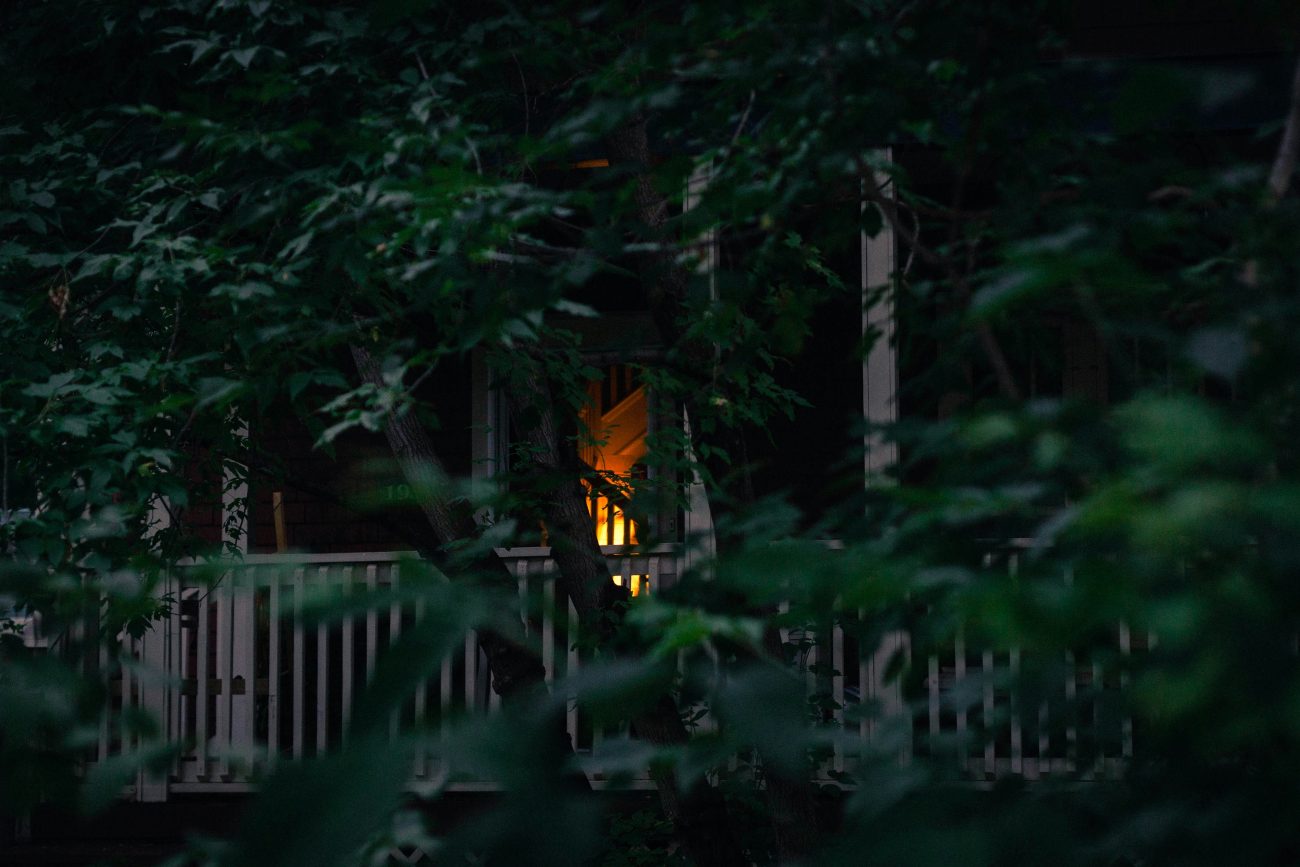
The grass had grown high, and the porch needed work. Inside, the rooms were still mostly empty.
My mother walked through the kitchen slowly.
“Your father wanted to sell this place immediately after everything happened,” she said. “I begged him to wait.”
“Why?”
“Because I couldn’t bear the thought of losing the only home you had known.”
I looked toward the hallway.
The pencil marks on the doorframe were still there.
I touched the final one.
Three days before the accident that never happened.
Wren stood beside me.
“Is this where you lived when you were little?”
“Yes.”
“Did you like it?”
“I did.”
She looked toward the kitchen.
“Did Mommy make you pancakes here?”
I smiled.
“Almost every Saturday.”
“She makes them for me, too.”
I looked at my mother.
She was standing by the window, one hand resting against the sill.
For a moment, I could see the woman in the old photograph. Not the woman who had disappeared, but the mother who had once stood in this same room, watching her little girl play.
“Do you want to make them here again?” I asked.
My mother turned.
“Would you?”
I nodded.
“Maybe next Sunday.”
Wren clapped her hands.
“Can I help?”
“Of course,” my mother said.
We stood together in the quiet kitchen.
There was no grand declaration. No promise that everything would be easy from then on.
There was only a plan for pancakes.
And somehow, that felt like a beginning.
I had spent twenty-two years believing my mother’s grave marked the end of our story.
It turned out to be an empty place my father had chosen to make me stop looking.
I still have the photograph from the beach. I keep it in a frame beside the picture of Wren and me at the old house.
Sometimes I look at it and wonder how many years we lost because one person believed he had the right to control the truth.
I cannot get those years back.
I cannot become the little girl who waited by the window, or give my mother the chance to watch me grow up.
But I can know her now.
I can know my sister.
And I can tell the truth about what happened.
My mother was Eleanor Bell.
She was never buried.
And after twenty-two years, she finally came home.
