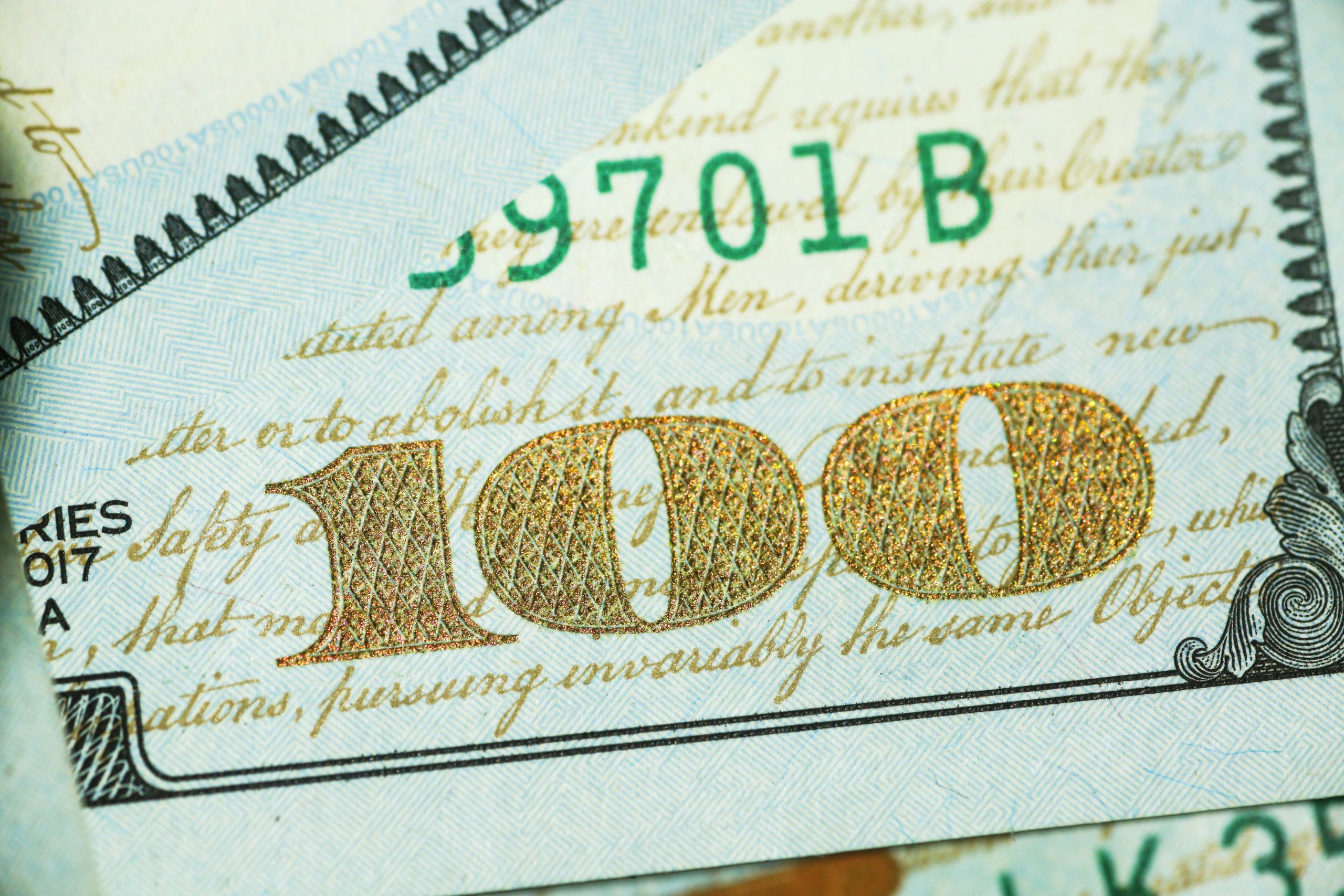
Check the serial number too.
Certain unusual serial-number patterns can interest collectors independently of printing errors.
Collectors sometimes look for patterns such as very low numbers, repeated digits, unusual sequences and other distinctive combinations.
That doesn’t mean every interesting-looking serial number is worth a fortune.
Condition and collector demand still matter.
But the serial number is one of the first things worth checking before spending a bill that seems unusual.
Check the Series Year
Next, look at the series information.
This helps identify when the note’s design and signatures were authorized.
The year alone doesn’t automatically make a modern $20 bill valuable.
Still, it’s useful information when trying to identify exactly what you have.
When evaluating currency, small details matter.
Two notes that appear almost identical to a casual observer can have different characteristics once examined properly.
Condition Can Make a Huge Difference
Suppose two people have the same potentially collectible note.
One is crisp, clean and almost untouched.
The other has been folded repeatedly, written on and carried in wallets for years.
Collectors may view them very differently.
Currency condition can significantly influence desirability.
That’s why you shouldn’t immediately start cleaning, ironing or trying to “repair” a potentially unusual note.
If you think you’ve found something significant, leave it as it is.
Aggressive cleaning can potentially damage the note or make professional evaluation more difficult.
Look at the Printing Alignment
Examine the borders.
Does the printing appear centered?
Is part of the design unexpectedly shifted?
Does anything appear missing?
Then turn the bill over and examine the reverse.
Genuine production errors often involve characteristics that can be evaluated in the context of how currency is manufactured.
A random pen mark on one portion of a circulated bill is a very different situation.
Don’t Assume a Viral Price Is Real
You’ve probably seen headlines claiming that an ordinary-looking bill could be worth hundreds or thousands of dollars.
Occasionally, genuinely rare currency does sell for substantial amounts.
But viral posts frequently leave out important context.
A seller can ask any price online.
That doesn’t mean a buyer actually paid it.
When researching collectible currency, completed sales, professional auction records and expert evaluations are much more informative than an outrageous listing price.
That’s particularly important when social media turns an unusual-looking bill into a supposed jackpot.
What Should You Do If You Find a Strange $20 Bill?
Don’t panic—and don’t immediately spend it.
First, examine it carefully.
Check:
- the serial number
- series information
- printing alignment
- front and back designs
- unusual ink or missing ink
- whether the mark appears printed or added later
- the overall condition of the note
Take clear photographs of both sides.
Then compare the note with another legitimate $20 bill from the same general design family.
Sometimes what initially appears unusual turns out to be a normal feature you’ve simply never noticed before.
If the difference still appears significant, that’s when an expert opinion can become useful.
A Currency Expert Can Tell the Difference
For a potentially valuable error, professional evaluation matters.
Experienced currency dealers and reputable grading services understand how genuine printing errors occur.
They can often distinguish a production mistake from ordinary circulation damage.
That distinction can mean the difference between:
a $20 bill worth $20
and
a legitimate collectible.
It can also prevent someone from getting overly excited about a mark that was simply added with a pen years after the bill was printed.
What About the Yellow Numbers on Modern $20 Bills?
Those small yellow markings surprise many people the first time they notice them.
They’re part of the bill’s design and anti-counterfeiting technology.
They aren’t secret indicators that you’ve found rare money.
