Phrases such as:
“His final words…”
“The heartbreaking message…”
“His last moments…”
“The world says goodbye…”
can make a story feel authoritative.
But none of those phrases answers the most important question:
Who confirmed it?
If an article cannot clearly answer that question, readers should be cautious.
This is particularly important when the story concerns a death.
A false rumor isn’t harmless simply because the accompanying article says positive things about the person.
Families, friends and communities can see those posts too.
What We Can Say With Confidence
There are several important distinctions readers should keep in mind.
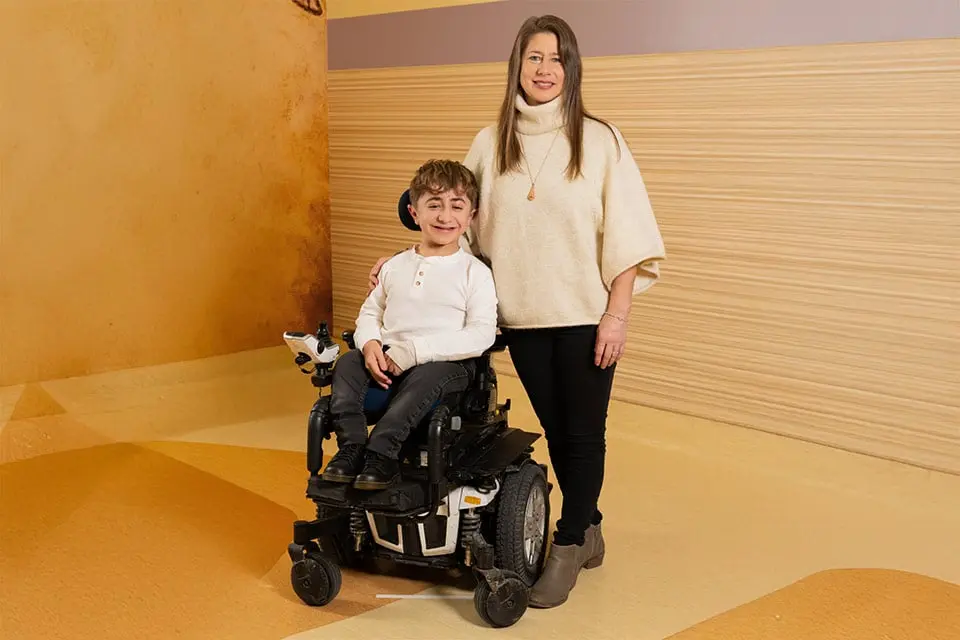
Kaleb-Wolf De Melo Torres is a real person whose experience with osteogenesis imperfecta has been publicly documented.
His association with Shriners Children’s is real.
His extensive history of fractures and medical treatment is documented.
False information about his wellbeing has circulated online before.
And in March 2026, Shriners Children’s responded directly, stating that Kaleb was alive and well.
What we cannot responsibly establish from the available reliable evidence is the viral claim that Kaleb has since died or that Denzel Washington sent him a dramatic final message.
Unless credible new information emerges, those claims should not be presented as facts.
A Better Way to Honor Kaleb’s Story
There is no reason to wait for tragedy—or invent one—to appreciate someone’s impact.
Kaleb’s documented story already speaks to perseverance.
It speaks to growing up with a condition that requires unusual caution.
It speaks to undergoing extensive medical care while continuing with school and public advocacy.
And it speaks to the visibility he has provided for other children receiving specialized care.
That is a stronger story than a fabricated farewell.
Because it’s true.
Check Before You Share
If you encounter a post claiming that Kaleb has died, look beyond the headline.
Check the date.
Look for an identifiable source.
See whether Shriners Children’s has issued an announcement.
Look for reporting from established news organizations.
And be especially skeptical when a story adds an emotional celebrity connection without providing evidence.
Shriners Children’s itself has urged people not to amplify misleading posts about Kaleb and Alec.
That’s good advice far beyond this particular story.
Sometimes the most responsible response to a shocking headline isn’t immediately sharing it.
It’s stopping for a moment and asking:
Who actually confirmed this?
For now, the documented record gives us no responsible basis to turn Kaleb’s story into an obituary.
His real journey deserves better than that.
Had you seen posts claiming Kaleb had died—and did you realize Shriners Children’s had previously issued an official statement addressing false rumors about his wellbeing?
