Depending on the variety, berries can contain vitamin C, dietary fiber, and several naturally occurring plant compounds.
Some berries contain anthocyanins, pigments responsible for many of their red, blue, and purple colors.
Researchers have studied these compounds in relation to different aspects of health.
However, research on plant compounds does not establish that eating a particular berry will prevent or cure a disease.
The strongest practical reason to eat berries is that they contribute nutritional variety to a balanced diet.
Fresh or Frozen Berries?
Fresh berries can be delicious when they are in season.
But they are not always affordable.
Fortunately, unsweetened frozen berries can also be a nutritious and convenient choice.
They are easy to store and can be added to oatmeal, yogurt, or smoothies.
For older adults who live alone, frozen fruit may also help reduce food waste.
Instead of worrying about fresh berries spoiling before they can be eaten, you can use smaller amounts whenever needed.
Simple Ways to Add Berries to Your Diet
A handful of berries can make plain yogurt more flavorful.
They can also be stirred into warm oatmeal or added to a bowl of whole-grain cereal.
If chewing is difficult, berries may be mashed or softened.
Choose varieties that fit your budget, preferences, and digestive tolerance.
You do not need to purchase an expensive specialty berry to benefit from eating fruit.
4. Bananas: An Easy Source of Potassium and Energy
Bananas are one of the most convenient fruits available.
They require no cooking, are easy to carry, and have a naturally soft texture when ripe.
They provide carbohydrates, vitamin B6, and potassium.
Potassium is an essential mineral involved in muscle function, nerve signaling, and maintaining normal fluid balance.
Bananas can contribute to potassium intake alongside other foods such as potatoes, beans, and vegetables.
Their carbohydrates also provide energy.
For older adults who want a quick snack before a walk or another everyday activity, a banana can be a practical choice.
Why Bananas Can Be Helpful for People With Chewing Difficulties
Unlike hard fruits, ripe bananas are generally easy to chew.
They can also be mashed and mixed into other foods.
Try adding banana slices to oatmeal or plain yogurt.
A ripe banana can be blended into a smoothie with milk or another suitable beverage.
Pairing fruit with protein-rich foods or healthy fats can help make a snack more satisfying.
A Special Warning About Potassium
Although potassium is essential, not everyone should increase their intake without considering their medical needs.
People with chronic kidney disease or certain other conditions may need to limit potassium.
Some medications can also affect potassium levels.
If your healthcare professional has recommended a potassium-restricted diet, ask which fruits and portion sizes are appropriate for you.
General nutrition advice should always be adjusted to individual medical requirements.
Why Eating Different Fruits Matters
It can be tempting to search for one perfect food that provides every nutritional benefit.
But no single fruit contains everything the body needs.
Oranges are particularly useful for vitamin C.
Apples contribute dietary fiber.
Berries provide a variety of nutrients and plant compounds.
Bananas offer potassium and carbohydrates.
Eating different fruits helps create a more varied diet.
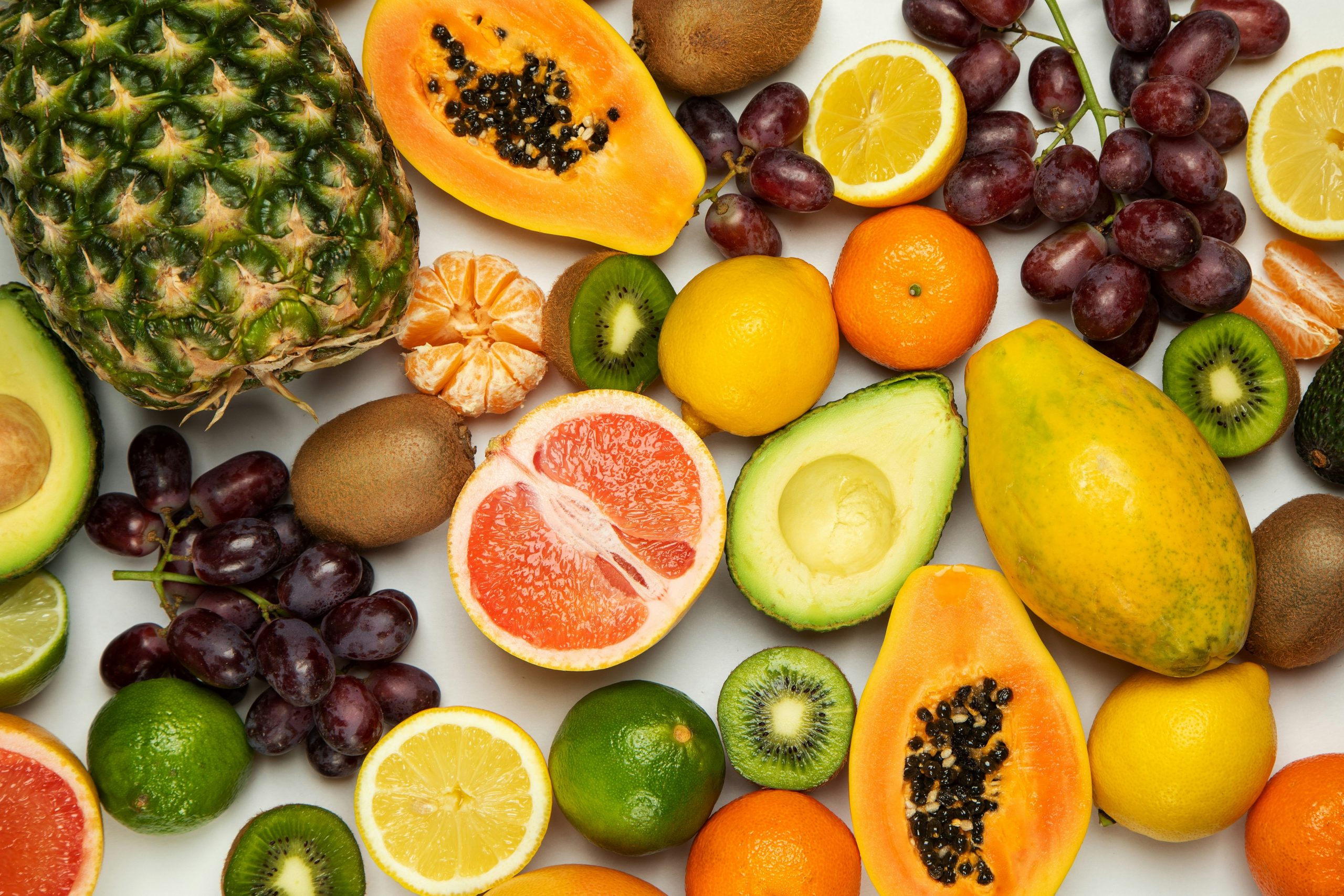
Other options, including pears, peaches, kiwi, grapes, and melons, can also contribute valuable nutrients.
The goal is not to eat the same four fruits every day.
It is to include a range of foods you enjoy and can comfortably afford.
How Much Fruit Should Older Adults Eat?
The amount of fruit a person needs depends on factors such as age, activity level, overall calorie needs, and medical conditions.
For many adults, general U.S. dietary guidance recommends approximately 1½ to 2 cups of fruit daily, depending on individual energy needs.
