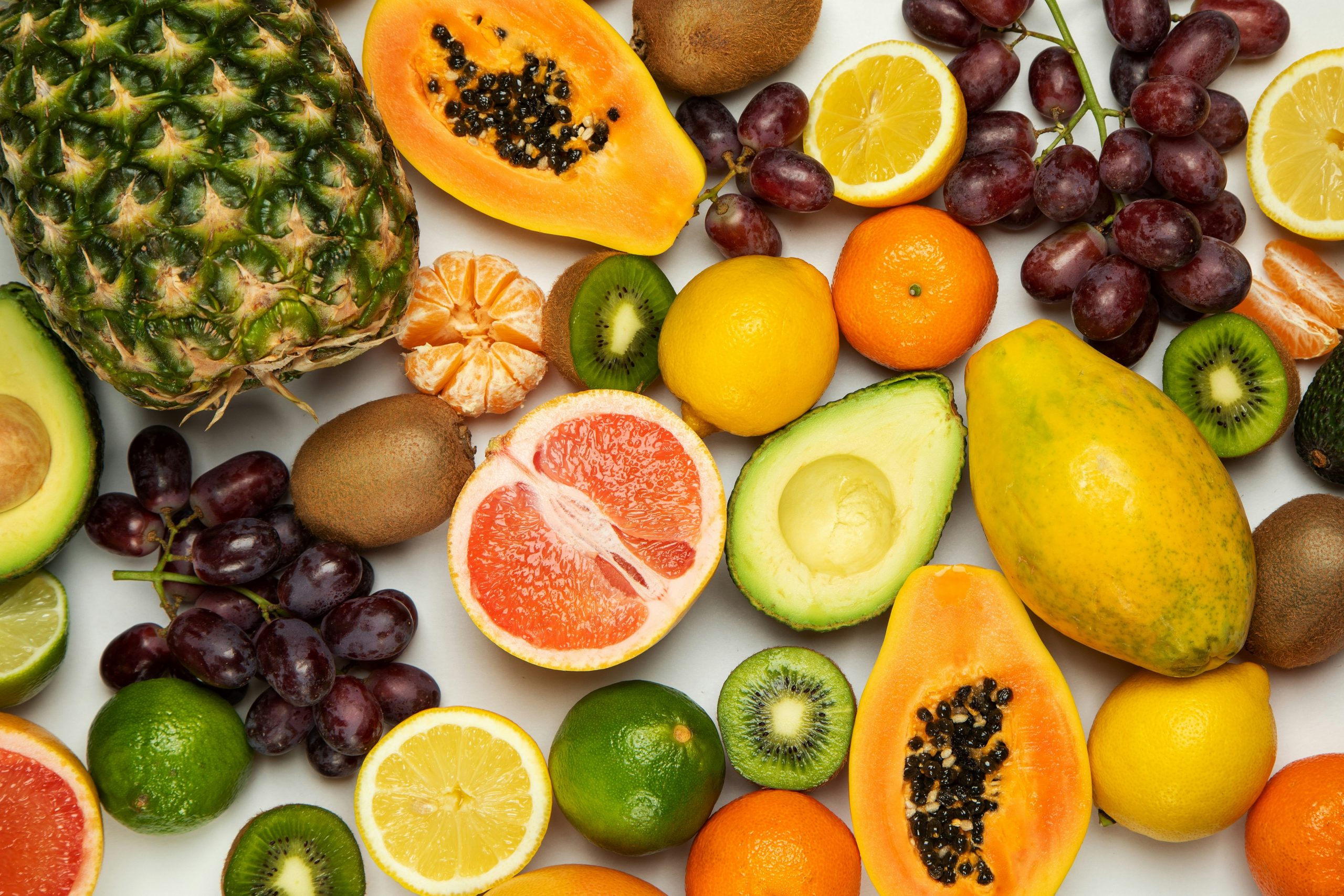
Whole fruit is generally a good choice because it provides fiber.
However, chopped, cooked, canned, and frozen fruits can also fit into a healthy diet.
When choosing canned fruit, look for varieties packed in water or their own juice rather than heavy syrup.
For frozen fruit, unsweetened options are often preferable.
People with diabetes do not automatically need to avoid fruit.
However, carbohydrate portions and individual blood glucose responses may need to be considered.
A registered dietitian or healthcare professional can provide personalized guidance.
Simple Ways to Make Fruit Part of Your Daily Routine
Healthy eating is often easier when nutritious foods are convenient.
You might begin the day with berries and oatmeal.
Enjoy an apple as an afternoon snack.
Add orange segments to lunch.
Or eat a banana with yogurt when you need something quick.
There is no requirement to follow a complicated schedule.
The most useful habits are the ones you can maintain consistently.
Buying seasonal fruit may help reduce costs.
Frozen varieties can be useful when fresh produce is expensive.
Preparing fruit in advance may also make it easier to eat regularly.
If you have difficulty chewing, choose soft, cooked, or appropriately prepared options.
And if you follow a medically prescribed diet, make sure your fruit choices fit those recommendations.
Healthy Aging Requires More Than One Food
Nutrition is only one part of healthy aging.
Regular physical activity, adequate sleep, social connection, and appropriate medical care also matter.
Eating fruit cannot replace medication, treatment, or other recommended healthcare.
Nor can any food guarantee that someone will avoid age-related illness.
But small, sustainable dietary improvements can still be worthwhile.
Choosing fruit instead of a less nutritious snack on some occasions may help improve the overall quality of your diet.
Combining fruit with vegetables, whole grains, protein-rich foods, and healthy fats can support a more balanced eating pattern.
Final Thoughts
Healthy eating does not need to become more complicated as we age.
Some of the most practical choices are familiar foods that have been available for generations.
Oranges provide vitamin C.
Apples contribute fiber.
Berries offer a variety of nutrients and plant compounds.
Bananas supply potassium and carbohydrates.
Each fruit has its own nutritional strengths.
Together, they can add variety, flavor, and useful nutrients to everyday meals.
The best approach is not to search for one miracle food, but to build simple, balanced eating habits that support your health over time.
