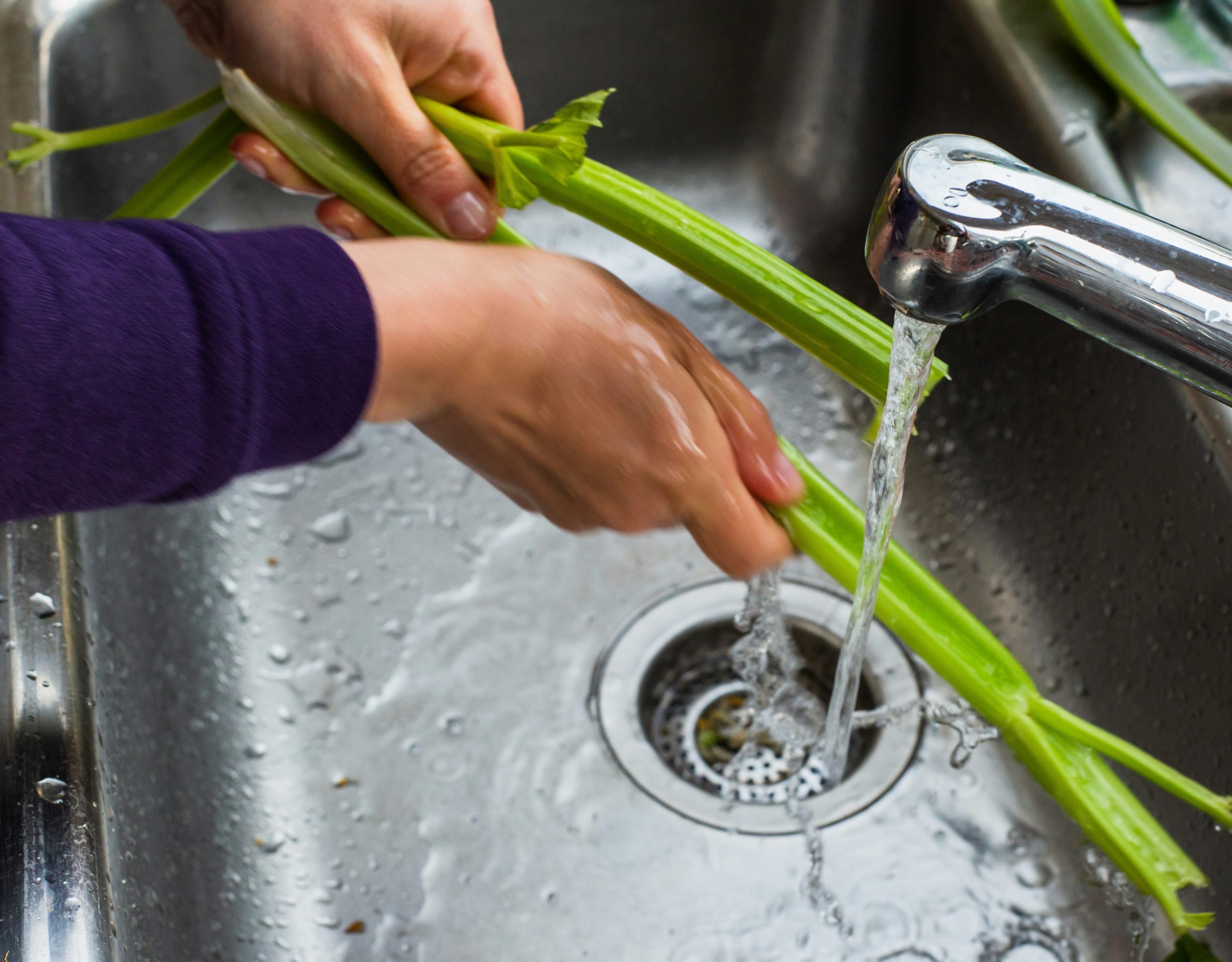
Fresh salads, spinach, lettuce and other leafy greens are staples in millions of American kitchens.
They’re convenient, nutritious and often recommended as part of a balanced diet.
But there’s something many people forget:
Fresh doesn’t automatically mean germ-free.
Raw vegetables can occasionally become contaminated with harmful microorganisms before they ever reach your kitchen.
That doesn’t mean you should stop eating vegetables.
It means knowing how contamination happens—and how a few simple food-safety habits can reduce your risk.
Can Fresh Vegetables Really Make You Sick?
Yes.
Fresh fruits and vegetables can sometimes carry germs capable of causing foodborne illness.
Among the organisms associated with contaminated produce are Salmonella, E. coli and Listeria.
Contamination can potentially occur at different points between the farm and your dinner table.
Water, soil, animals, transportation, processing, storage and food handling can all play a role.
And because many leafy greens are eaten raw, there may be no cooking step to kill harmful bacteria before the food is consumed.
Still, it’s important to keep the risk in perspective.
The answer isn’t avoiding vegetables.
It’s handling them safely.
Don’t Automatically Blame the Last Thing You Ate
Imagine someone eats a salad for dinner.
Several hours later, that person develops vomiting or diarrhea.
It’s tempting to immediately conclude:
“The salad caused it.”
But timing alone doesn’t establish the source.
Different foodborne illnesses have different incubation periods.
Some can cause symptoms within hours.
Others may take days.
CDC guidance notes that symptoms and onset times vary depending on the germ involved.
That’s why identifying the source of a foodborne illness isn’t always as simple as looking at the person’s most recent meal.
The Symptoms You Should Take Seriously
Food poisoning often causes symptoms such as:
- diarrhea
- stomach cramps
- nausea
- vomiting
- fever
Many cases resolve without serious complications.
But some don’t.
The CDC advises seeking medical care for severe symptoms such as bloody diarrhea, diarrhea lasting more than three days, fever above 102°F, vomiting so frequent that liquids can’t be kept down, or signs of dehydration.
Dehydration can include reduced urination, dry mouth or dizziness when standing.
Certain foodborne infections can also cause more serious complications.
So severe or persistent symptoms shouldn’t simply be dismissed as “something bad I ate.”
Older Adults Need to Be Particularly Careful
Food safety becomes increasingly important with age.
Adults 65 and older are among the groups at greater risk of becoming seriously ill from foodborne infections.
Pregnant people, young children and people with weakened immune systems can also face increased risk.
For an otherwise healthy younger adult, an infection may mean several miserable days.
For someone more vulnerable, the consequences can potentially be much more serious.
That makes basic food-handling habits especially important in households with older family members.
Wash Your Hands First
Safe produce preparation actually begins before you touch the lettuce.
Wash your hands with soap and water for at least 20 seconds before preparing food.
Kitchen surfaces matter too.
Cutting boards, knives, countertops and utensils can transfer germs between foods.
For example, cutting raw chicken on a board and then preparing lettuce on the same unwashed surface creates an obvious opportunity for cross-contamination.
Keeping produce separate from raw meat, poultry and seafood is one of the fundamental rules of food safety.
How Should You Wash Fresh Vegetables?
For most fresh produce, the guidance is straightforward:
Rinse it thoroughly under running water.
Firm produce such as cucumbers or melons can be scrubbed with a clean produce brush.
You should also wash produce even when you don’t intend to eat the outer skin.
Why?
Because cutting through an unwashed exterior can transfer contaminants from the surface onto the edible portion.
