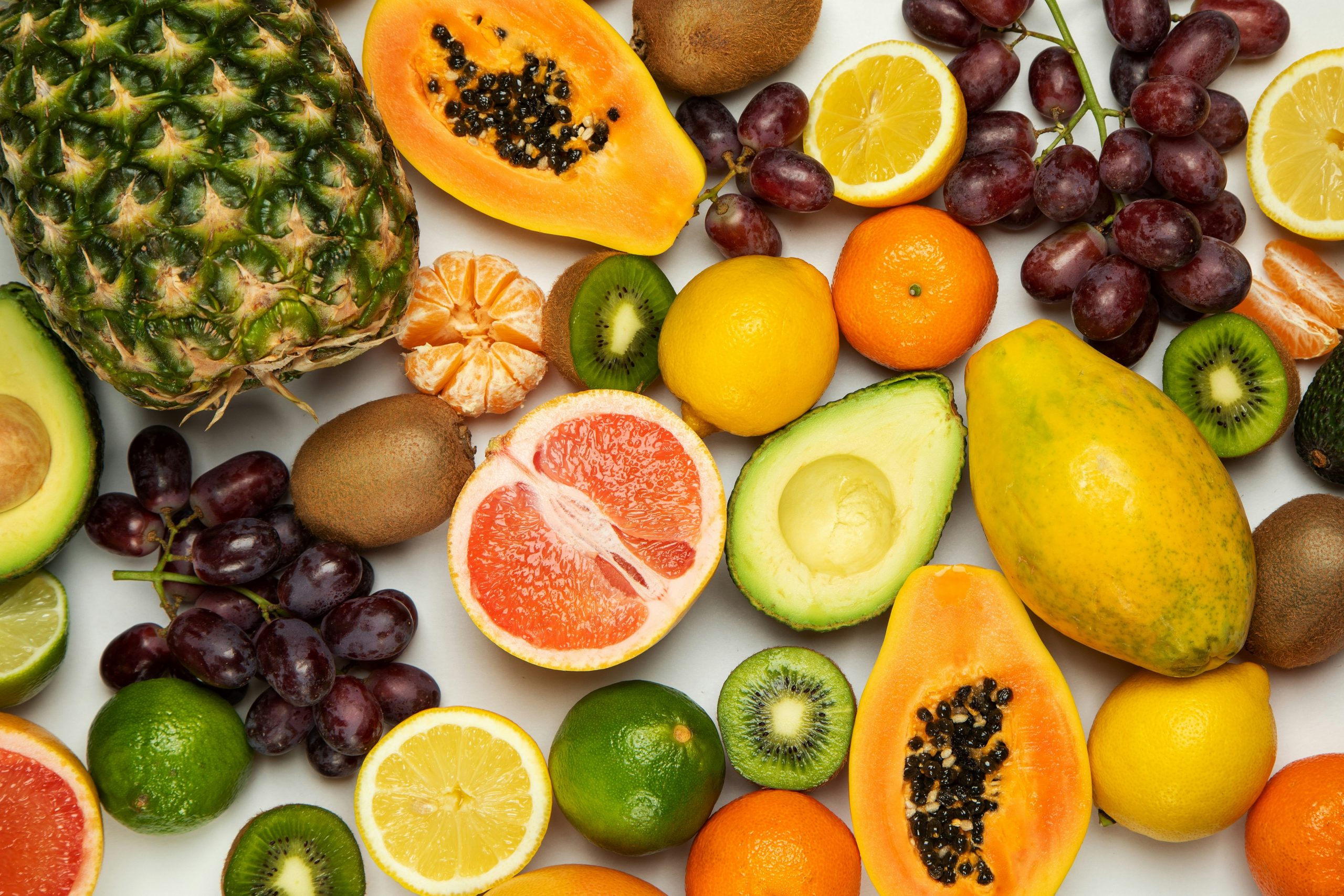
As we grow older, the foods we choose can play an increasingly important role in how we feel each day.
Maintaining energy, supporting digestion, and getting enough essential nutrients are all important parts of healthy aging.
But eating well does not necessarily mean purchasing expensive supplements or following complicated diets.
Sometimes, some of the most useful foods are already sitting in the fruit section of your local grocery store.
Oranges, apples, berries, and bananas are four familiar examples.
Each provides a different combination of vitamins, minerals, fiber, and naturally occurring plant compounds.
While no single food can prevent aging or guarantee protection from illness, including a variety of fruits in a balanced diet can help older adults meet their nutritional needs.
Here is why these four fruits deserve a place on your grocery list.
1. Oranges: A Simple Way to Get More Vitamin C
Oranges are among the best-known sources of vitamin C.
This essential nutrient supports several important functions in the body.
Vitamin C contributes to normal immune function, helps the body produce collagen, and improves the absorption of iron from plant-based foods.
Collagen is a structural protein found in skin, cartilage, blood vessels, and other tissues.
The body needs vitamin C to produce it properly.
For older adults, getting enough vitamin C is one part of maintaining a nutritionally balanced diet.
Oranges also contain water and dietary fiber.
A whole orange can be a refreshing snack that requires little preparation.
Why Whole Oranges Are Often Better Than Juice
Orange juice contains vitamin C, but whole oranges generally provide more fiber.
Fiber helps support digestion and can contribute to feelings of fullness.
It is also easier to consume the juice from several oranges in one sitting than to eat the same number of whole fruits.
That can make portion size worth considering.
If you enjoy oranges, try eating one with breakfast or adding fresh segments to a salad.
You can also combine orange pieces with plain yogurt for a simple snack.
People who experience acid reflux or discomfort after eating citrus fruits may need to choose smaller portions or other fruits.
2. Apples: A Familiar Fruit That Supports Digestive Health
There is a reason apples have remained a popular snack for generations.
They are convenient, widely available, and easy to incorporate into everyday meals.
One of their most useful nutritional features is dietary fiber.
Apples contain both soluble and insoluble fiber, including a soluble fiber called pectin.
Fiber helps support normal digestive function.
For some older adults, maintaining regular bowel movements becomes more challenging with age.
A balanced diet that includes adequate fiber and fluids can help support digestive regularity.
Apples also contain water and naturally occurring plant compounds called polyphenols.
Should You Eat Apples With the Skin?
For many people, eating a properly washed apple with its skin provides more fiber than peeling it.
The skin also contains beneficial plant compounds.
However, not everyone finds raw apples easy to chew.
Dental problems, dentures, or other chewing difficulties can make firm fruit uncomfortable.
In those situations, apples can be sliced thinly, grated, or cooked until soft.
Baked apples with cinnamon can be a satisfying option without needing large amounts of added sugar.
Easy Ways to Enjoy Apples
Try adding chopped apple to oatmeal or mixing it with plain yogurt.
Apple slices can also be served with a small amount of unsweetened peanut or almond butter.
If you prefer softer foods, gently cooked apple pieces can be a convenient alternative.
Remember that apples are nutritious, but they are not a treatment for constipation or other digestive conditions.
Their benefit comes from contributing fiber and variety to an overall healthy diet.
3. Berries: Small Fruits Packed With Nutritional Variety
Strawberries, blueberries, raspberries, and blackberries may be small, but they provide a useful range of nutrients.
