For generations, slow cookers have been among the most convenient appliances in American kitchens.
They make it possible to prepare hearty stews, tender roasts, soups, and family dinners with relatively little effort.
You add the ingredients, set the temperature, and allow the food to cook slowly over several hours.
But there is one mistake that can turn an ordinary cooking routine into a dangerous situation.
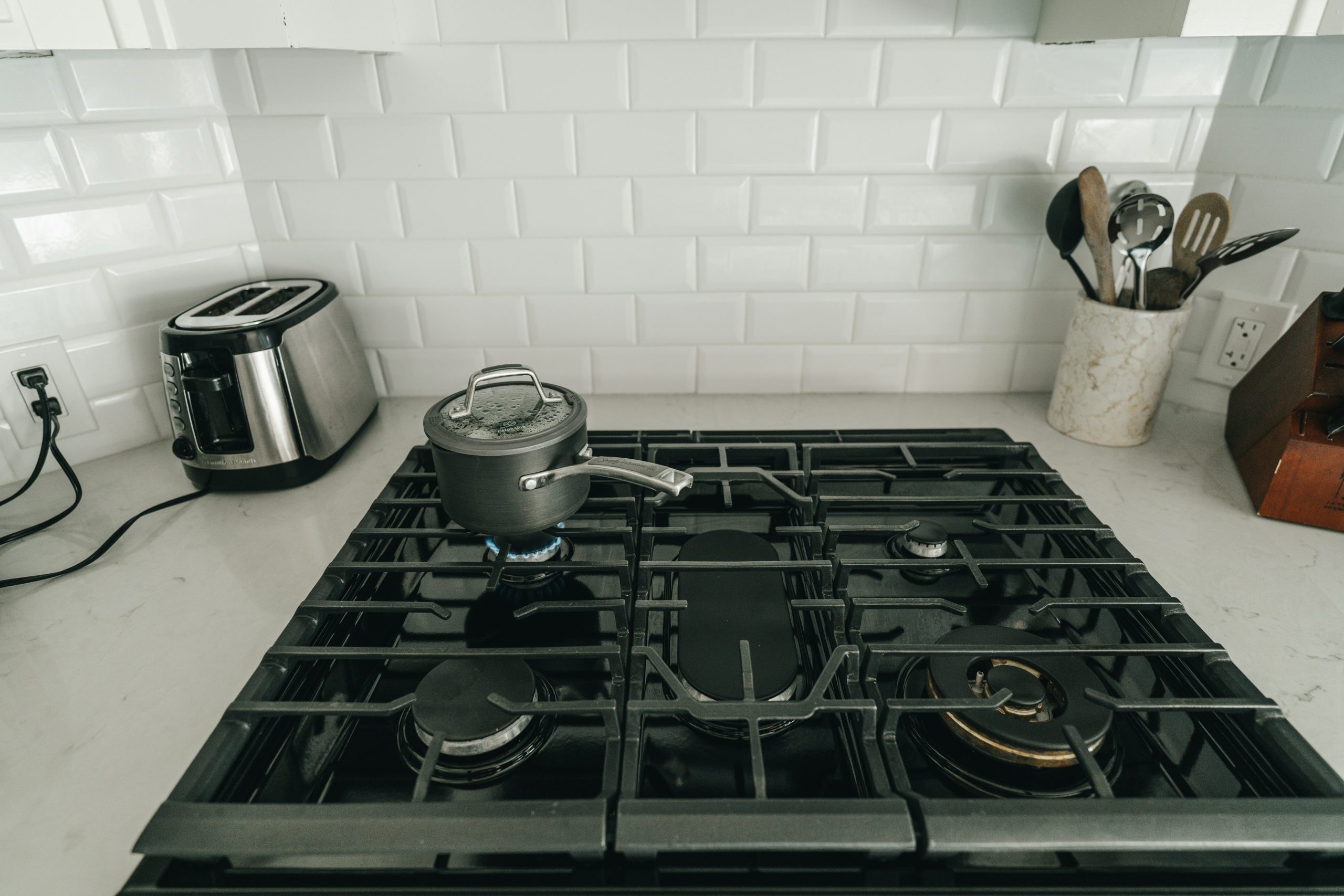
Placing a traditional ceramic Crockpot insert directly on a stovetop burner can cause it to crack or break.
And if the insert is filled with hot food, the consequences can be much more serious than losing dinner.
The sudden release of hot liquid can cause burns, while broken ceramic pieces can create additional hazards.
Understanding why this happens—and how to avoid it—can help protect your kitchen and your family.
Why Crockpots Are Different From Regular Cooking Pots
A slow cooker may look similar to a traditional cooking pot, but it is designed to work differently.
Most conventional slow cookers consist of three main components: an electrical heating base, a removable cooking insert, and a lid.
The insert is often made from ceramic or stoneware.
During normal operation, the electrical base heats the insert gradually.
The food cooks at relatively low temperatures over an extended period.
This slow, controlled heating process is what makes the appliance useful for recipes that require several hours of cooking.
A stovetop burner works differently.
It can concentrate intense heat on a relatively small area of the bottom of a pot.
Metal cookware designed for stovetop use can generally tolerate that heating method.
Traditional ceramic slow cooker inserts, however, may not be designed to withstand such concentrated heat.
That difference is extremely important.
The Hidden Danger: Thermal Shock
The main concern when placing a traditional ceramic Crockpot insert on a stovetop is a process known as thermal shock.
Thermal shock occurs when different parts of a material experience rapid or uneven temperature changes.
Ceramic materials can expand when heated.
But if one section becomes much hotter than another, the resulting stress may cause cracks.
Imagine placing a room-temperature ceramic insert directly onto a hot burner.
The bottom of the insert begins heating rapidly.
Meanwhile, the sides and upper portions remain relatively cool.
This uneven temperature distribution can place significant stress on the ceramic.
Depending on the material, condition, and temperature difference, the insert may crack or break.
The danger becomes greater if the container is holding hot food or liquid.
A sudden failure could release the contents onto the stovetop or surrounding surfaces.
What Could Happen If the Ceramic Insert Breaks?
A cracked slow cooker insert is not simply an inconvenience.
It can create several hazards.
If the crock contains hot soup, stew, or another liquid-based meal, a crack may allow the contents to escape.
If the ceramic breaks more extensively, the food may spill suddenly.
Hot liquid can cause painful burns if it comes into contact with skin.
Spilled food can also create a slippery surface.
Broken ceramic pieces may have sharp edges.
And if liquid reaches an active burner, it can create additional problems depending on the type of stove.
For these reasons, traditional stoneware inserts should not be treated as ordinary stovetop cookware.
The fact that a ceramic container feels heavy or durable does not mean it is safe for direct burner heat.
Never Place the Entire Slow Cooker on the Stove
There is another important distinction.
The removable insert and the electrical heating base are not the same thing.
The entire slow cooker appliance should never be placed on a stovetop burner.
Its electrical components, housing, and power cord are not designed for that environment.
