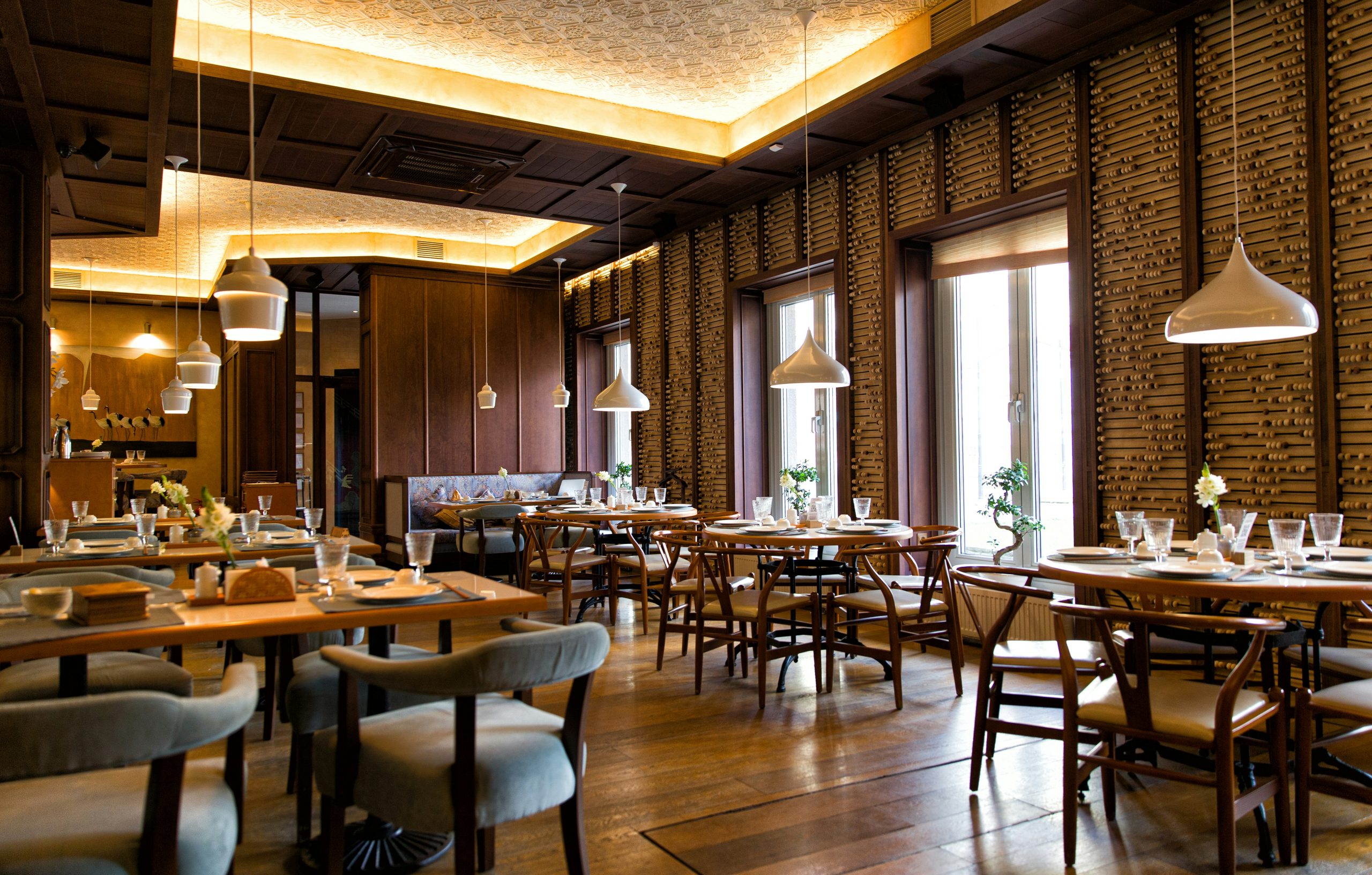
I never imagined that ordering a small meal at a restaurant could turn into such an uncomfortable experience.
All I wanted was something simple to eat.
I wasn’t particularly hungry, and I didn’t feel like paying for a large plate of food that I knew I wouldn’t finish.
So when I opened the menu and noticed the children’s section, I thought I had found the perfect solution.
A smaller portion.
A reasonable price.
And exactly the amount of food I wanted.
What could possibly be wrong with that?
As it turned out, the restaurant had a different opinion.
And the conversation that followed made me wonder whether restaurants should reconsider the way they serve customers who simply want less food.
It Started With an Ordinary Lunch
It was a quiet afternoon when I stopped at a neighborhood restaurant.
I had been running errands and wanted to sit down for a quick meal before heading home.
The restaurant wasn’t particularly busy.
A few families were eating near the windows, and two older couples were enjoying lunch at separate tables.
I was seated in a booth and handed a menu.
At first, I looked through the usual options.
Burgers.
Sandwiches.
Chicken dinners.
Large salads.
Everything sounded fine, but the portions looked bigger than what I wanted.
I’ve never had an enormous appetite, especially in the middle of the day.
Sometimes, a small sandwich or a few chicken tenders are more than enough.
I also dislike wasting food.
Of course, I could order a full meal and take the leftovers home.
But I wasn’t going straight home that afternoon, and I didn’t want to carry a container of food around for several hours.
Then I noticed the kids’ menu.
The Kids’ Menu Seemed Like the Perfect Choice
The children’s menu offered several familiar choices.
There were chicken tenders, a small burger, grilled cheese, and a few other simple meals.
The portions were smaller than the regular entrées.
The prices were lower, too.
I wasn’t looking for a special favor.
I simply wanted to order a meal that suited my appetite.
When the waitress returned, I pointed to one of the children’s meals.
“I’ll have the chicken tenders from the kids’ menu, please.”
She paused.
Then she looked at me.
“I’m sorry, but those meals are only for children.”
For a moment, I thought I had misunderstood.
“Oh,” I replied. “I just wanted a smaller portion.”
She explained that the restaurant had an age restriction on its children’s menu.
Adults were expected to order from the regular menu.
I looked down at the options again.
The regular chicken tender meal was considerably larger.
And it cost more.
I Asked a Simple Question
“Would it be possible to order the smaller portion and pay a little extra?” I asked.
I wasn’t trying to argue.
I understood that restaurants have rules.
But I wondered whether there was some flexibility.
The waitress seemed sympathetic.
Unfortunately, she explained that she wasn’t authorized to make an exception.
The children’s meals were priced specifically for younger customers.
The restaurant didn’t offer them to adults.
I thanked her for explaining.
Then I returned to the menu and tried to find something else.
But the situation stayed on my mind.
Why should ordering less food be so complicated?
I Wasn’t Trying to Get Something for Nothing
I understand that restaurants are businesses.
They have employees to pay, food to purchase, rent, utilities, insurance, and countless other expenses.
A menu price covers more than the ingredients on the plate.
I also understand that some restaurants offer discounted children’s meals as a way to make dining out more affordable for families.
