Being a rural mail carrier wasn’t glamorous, but it suited me.
I knew which families had new babies, whose children had gone away to college, and which older neighbors appreciated someone checking on them during bad weather.
I drove through snow, heavy rain, and summer heat.
There were days when my back hurt and my hands were stiff from the cold.
But I was proud of earning my own paycheck.
When I retired, I expected to enjoy a quieter life.
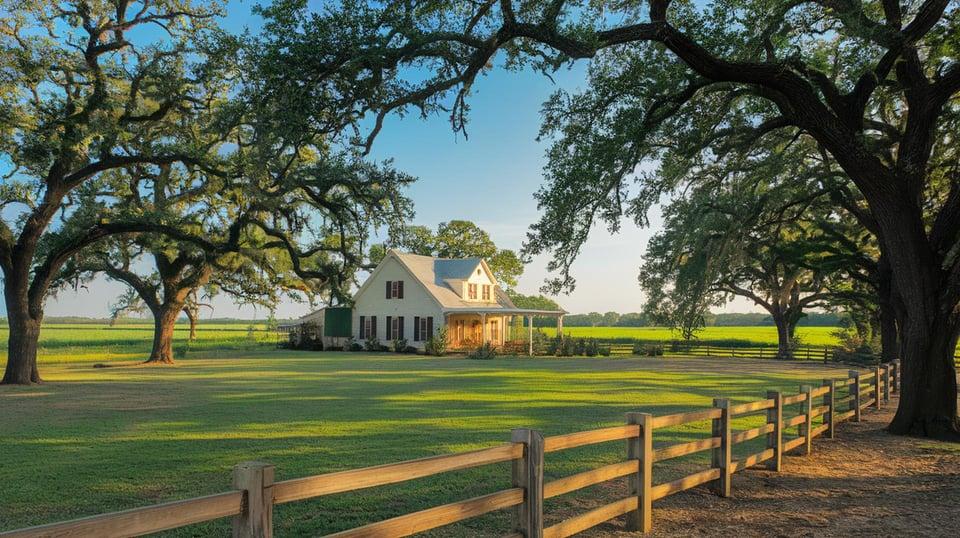
I imagined gardening, reading on the porch, and finally having enough time to maintain the farmhouse properly.
Instead, I discovered that retirement had made me more dependent on Alden.
My pension went into our joint account.
He monitored the balance.
He questioned purchases.
And when I mentioned hiring someone to repair the back fence, he told me we couldn’t afford it.
That was the moment I began asking myself a question I should have asked years earlier.
If I’ve worked my entire adult life, why do I feel as though I need permission to spend my own money?
The Neighbor Who Asked About the Pasture
The first real change began with Miriam Yoder.
Miriam lived several miles away and raised goats.
She was younger than me, energetic, and remarkably capable.
One afternoon, she stopped by to ask whether I would consider leasing part of my pasture.
Her herd had grown, and she needed more grazing space.
“I’d maintain the fencing,” she explained. “And I’d pay monthly.”
I looked out toward the fields.
Much of the pasture hadn’t been used properly in years.
The grass was overgrown in places.
The fence needed attention.
Alden had repeatedly promised to take care of it, but other projects always seemed more important.
Miriam’s proposal made sense.
She would have pasture for her animals.
I would receive income.
And the land would be maintained.
I told her I’d think about it.
Then I did something unusual.
I didn’t ask Alden what he thought first.
I looked at the deed.
The Documents in My Father’s Old Desk
My father had kept his papers in a heavy wooden desk near the front window.
After his death, I’d continued using it for important documents.
The deed was in a folder marked Farm.
I took it out and read it carefully.
The property had been left to me.
My name was on the deed.
Not Alden’s.
Mine.
I knew that ownership could involve legal details, so I contacted a local attorney to confirm what rights I had and whether any restrictions or recorded interests affected the property.
After reviewing the available records, the attorney explained that I could enter into a properly drafted pasture lease, subject to the property’s legal status and any applicable requirements.
That was all I needed to hear.
I called Miriam.
We discussed the acreage, fencing, access, payment schedule, and responsibilities.
Then we signed a written agreement.
For the first time in years, I’d made a financial decision about my own property without waiting for Alden’s approval.
It felt strange.
And wonderful.
The Goats Arrived on a Tuesday
Miriam brought the goats on a clear Tuesday morning.
I stood beside the fence while she unloaded them.
They scattered into the pasture, stopping every few feet to inspect something interesting.
One particularly stubborn goat refused to follow the others.
Miriam laughed.
“That’s Hazel. She thinks every decision should be hers.”
I smiled.
“Maybe Hazel and I have something in common.”
Miriam didn’t ask what I meant.
She simply helped me check the gate.
By afternoon, the pasture looked alive again.
The goats moved through the grass.
