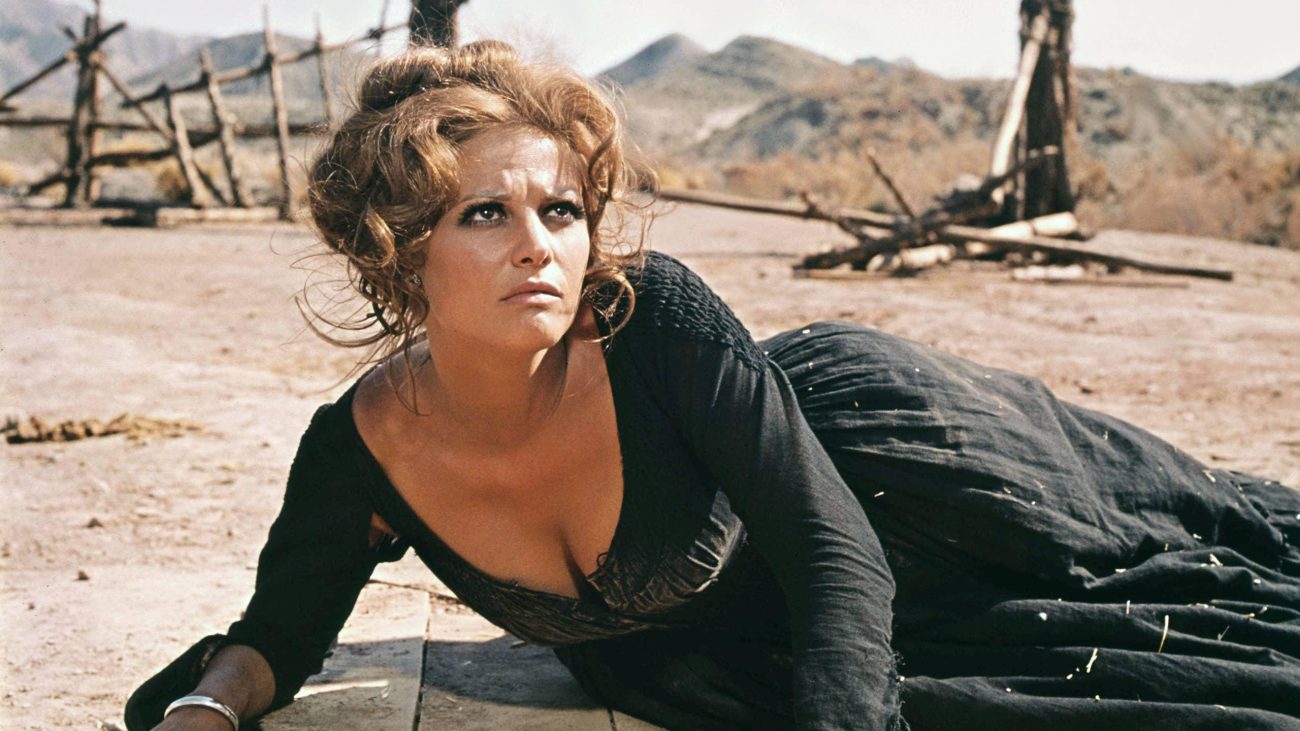
With her unmistakable voice, expressive eyes, and extraordinary screen presence, Claudia Cardinale became one of the defining faces of European cinema.
She appeared alongside some of Hollywood’s biggest stars, worked with legendary directors, and brought unforgettable characters to life in films that remain classics more than half a century later.
Yet her journey to international fame was far from ordinary.
Born in Tunisia to a family of Sicilian heritage, Cardinale never originally planned to become a movie star. A beauty contest unexpectedly opened the door to an industry that would change her life.
Behind the glamour, however, were difficult personal experiences, intense professional pressures, and a determination to maintain her independence.
Cardinale died on September 23, 2025, at the age of 87, leaving behind a remarkable body of work that included The Leopard, 8½, The Pink Panther, and Once Upon a Time in the West.
Her legacy is about much more than beauty or fame. It is the story of an actress who helped define an extraordinary era of filmmaking while gradually asserting greater control over her own life and career.
A Childhood Far From Hollywood
Claudia Cardinale was born on April 15, 1938, in Tunis, Tunisia.
Her parents were of Sicilian origin, and she grew up surrounded by different languages and cultural influences.
Her childhood was shaped by Mediterranean traditions and the French-speaking educational environment of Tunisia.
Those influences would later distinguish her from many other actresses working in Italian cinema.
As a young woman, Cardinale did not dream of becoming a Hollywood celebrity.
She was interested in a different future, including teaching.
But in 1957, an unexpected opportunity changed her direction.
She won a beauty contest in Tunisia that earned her a trip to the Venice Film Festival.
The experience introduced her to the international film world.
Photographers noticed her, and producers began expressing interest.
Suddenly, a young woman who had not planned an acting career was being offered opportunities in cinema.
Her Unexpected Entry Into Italian Films
Cardinale began appearing in films during the late 1950s.
Italian cinema was experiencing an exceptionally creative period, with directors exploring new approaches to storytelling and gaining international recognition.
Her early work included Big Deal on Madonna Street (1958), directed by Mario Monicelli.
The film helped introduce her to audiences and established filmmakers.
But becoming an actress was not as straightforward as her growing popularity might have suggested.
Cardinale had been educated primarily in French, and her early Italian-language performances were often dubbed.
She also had to adjust to the demands of an industry that placed enormous importance on image, appearance, and publicity.
Despite those challenges, her career progressed rapidly.
She developed a reputation for her striking screen presence and her ability to portray characters with both vulnerability and determination.
By the early 1960s, she was becoming one of Europe’s most recognizable performers.
The Year That Changed Everything: 1963
Few years were as important to Claudia Cardinale’s career as 1963.
That year, she appeared in several productions that would become central to her international reputation.
Among them were Federico Fellini’s 8½, Luchino Visconti’s The Leopard, and Blake Edwards’s The Pink Panther.
Each film offered something different.
8½ was an imaginative exploration of a filmmaker’s personal and creative struggles.
The Leopard was a sweeping historical drama about changing social structures in nineteenth-century Sicily.
The Pink Panther introduced her to a different style of international entertainment, combining comedy, mystery, and Hollywood star power.
Together, these productions demonstrated her versatility.
She was not limited to one genre or type of character.
She could move between experimental European filmmaking, elaborate historical drama, and popular international cinema.
