Water that would ordinarily continue downstream collects behind the dam, forming a reservoir.
Both systems involve water that originally came from precipitation.
But legally, they may be treated very differently.
Oregon, for example, provides an exemption from water-right requirements for qualifying collection of rainwater from artificial impervious surfaces, such as rooftops, into tanks or cisterns.
Other building, plumbing, or local requirements may still apply.
Reservoirs and ponds that capture surface runoff can fall under different rules.
This is why the method of collection matters just as much as the source of the water.
Why Water Rights Exist in the First Place
Water rights may seem complicated, especially to homeowners who have never dealt with them.
But in parts of the western United States, water availability has shaped agriculture, settlement, and economic development for generations.
One important legal principle is known as prior appropriation.
Under this system, established water rights and their priority dates help determine who may use water, particularly when supplies are limited.
The rules are intended to manage competing demands.
For example, farmers may rely on irrigation water.
Communities may depend on streams and reservoirs.
Businesses and households also need reliable supplies.
If one property owner diverts a substantial amount of water without authorization, the effects may extend beyond that person’s land.
That is one reason states regulate certain dams, diversions, and storage projects.
However, those regulations should not be confused with a blanket prohibition on collecting rainwater in a household barrel.
Can You Collect Rainwater for Your Garden?
In many parts of the United States, collecting rooftop rainwater for gardening is allowed.
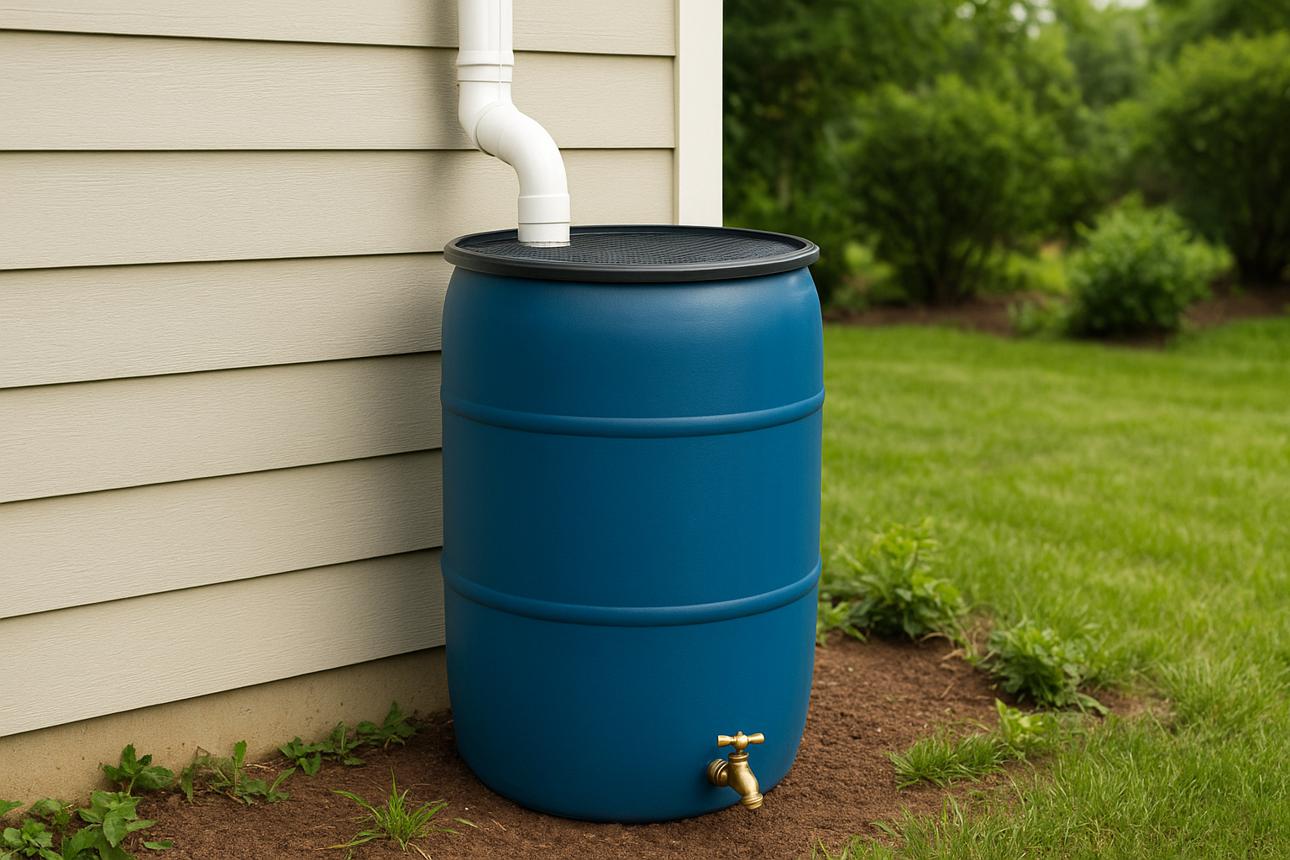
A basic system may include a roof gutter, downspout, screened inlet, and covered storage barrel.
The water can then be used for outdoor purposes where permitted.
Rainwater harvesting can reduce the amount of treated municipal water used for landscaping.
It can also provide a useful backup supply during dry periods.
Still, homeowners should not assume every system is automatically exempt from regulation.
Some jurisdictions have specific requirements for storage tanks, plumbing connections, mosquito prevention, or water quality.
Larger installations may require permits or inspections.
Before buying equipment, it is worth checking the rules that apply to your location.
What About Using Rainwater for Drinking?
Using collected rainwater for drinking is a separate issue from simply collecting it.
Rainwater may appear clean, but it can pick up contaminants from roofs, gutters, storage containers, and the surrounding environment.
Bird droppings, debris, microorganisms, and materials from roofing surfaces can affect water quality.
For that reason, untreated rainwater should not automatically be considered safe to drink.
Systems intended to supply drinking water may require appropriate filtration, disinfection, testing, and compliance with local health and plumbing requirements.
Water collected for outdoor irrigation should not be assumed suitable for household consumption.
The intended use is an important part of planning any rainwater harvesting system.
Five Things Homeowners Should Check Before Installing a System
Before installing a rain barrel or larger storage system, consider the following:
1. Your state’s water regulations
Visit the official website of your state water resources agency. Look for information specifically addressing rainwater harvesting.
2. Local building and plumbing rules
Cities and counties may have requirements that differ from statewide water-right rules.
3. The source of the collected water
Rainwater flowing directly from a roof may be regulated differently from water diverted from a stream or natural drainage channel.
4. The size of the storage system
A small residential barrel is not the same as a large tank, pond, or reservoir. Larger projects may require additional approvals.
5. How the water will be used
Water intended for gardening may have different requirements from water used in indoor plumbing or drinking-water systems.
