You’ve probably done it hundreds of times.
You walk into the grocery store, head toward the meat department, and begin comparing packages of ground beef or steak.
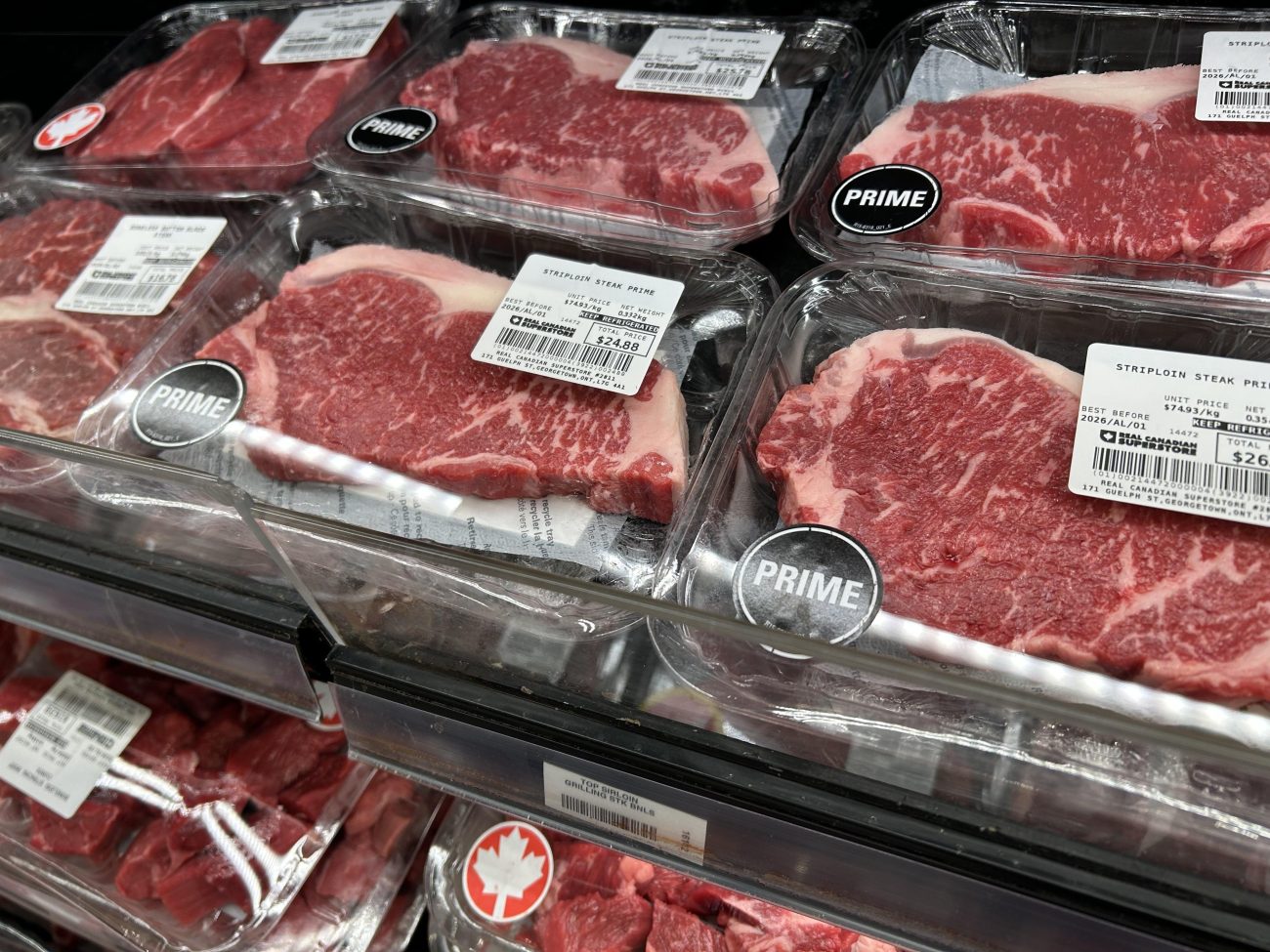
One package is bright cherry red.
Another looks darker, almost purple.
A third has a few brownish areas.
Which one do you choose?
For many shoppers, the answer seems obvious: the bright red package.
After all, red looks fresh. Brown looks old. And purple might look downright suspicious if you’re not used to seeing it.
But here’s something that surprises many grocery shoppers:
The color of beef doesn’t tell the whole story about its freshness or safety.
In fact, perfectly normal beef can appear purple, bright red, or brown depending on how it’s packaged, how much oxygen reaches it, and what happens to the natural pigments in the meat.
Understanding why could change the way you shop.
It might even save you from throwing away perfectly usable food.
But there’s an important catch: color alone also cannot tell you whether meat is safe to eat.
Why Is Some Beef Bright Red While Other Beef Looks Purple?
The answer begins with a protein called myoglobin.
Myoglobin is found in muscle tissue, where it helps store oxygen.
It also plays a major role in determining the color of meat.
Unlike what many people assume, the red appearance of beef isn’t simply caused by blood remaining in the package.
Most blood is removed during slaughter and processing.
The liquid that sometimes collects in packaged beef is largely water mixed with proteins, including myoglobin.
Myoglobin changes appearance depending on its chemical state and its exposure to oxygen.
This is why two packages of beef can look noticeably different even when both have been handled appropriately.
Freshly cut beef that hasn’t had much exposure to oxygen can appear purplish-red.
When the surface comes into contact with oxygen, the color often becomes brighter.
That bright red appearance is familiar to most shoppers.
But it isn’t automatically evidence that one package is safer or fresher than another.
The Reason Beef Turns Bright Red After You Open the Package
Have you ever opened a vacuum-sealed package of beef and noticed that the meat looked unusually dark?
Perhaps it was purple or deep burgundy.
You might have wondered whether something was wrong.
But this appearance can be completely normal.
In packaging with very little oxygen, myoglobin commonly exists in a form that gives beef a purplish-red color.
Once the package is opened and the meat is exposed to air, oxygen begins interacting with myoglobin at the surface.
This can produce a brighter cherry-red appearance.
The process is often called blooming.
It doesn’t mean the meat has suddenly become fresher.
The underlying meat hasn’t been transformed into a different product.
Instead, its surface pigment has changed in response to oxygen.
That’s why a piece of beef can look different shortly after being removed from its packaging.
The change is largely a matter of chemistry.
Why Does Beef Sometimes Turn Brown?
Brown beef often makes shoppers nervous.
It’s easy to assume that brown means spoiled.
But the explanation isn’t always that simple.
As myoglobin undergoes chemical changes, it can form a brown pigment known as metmyoglobin.
This can happen during normal storage and oxygen exposure.
For example, a package of ground beef may look bright red on the outside while appearing darker or brownish inside.
The outer portion has greater exposure to oxygen, while the inner portion experiences different conditions.
That difference doesn’t automatically indicate that the meat is spoiled.
Likewise, some browning on the surface of beef can occur naturally.
However, extensive discoloration, especially when accompanied by other signs of deterioration or improper storage, deserves caution.
