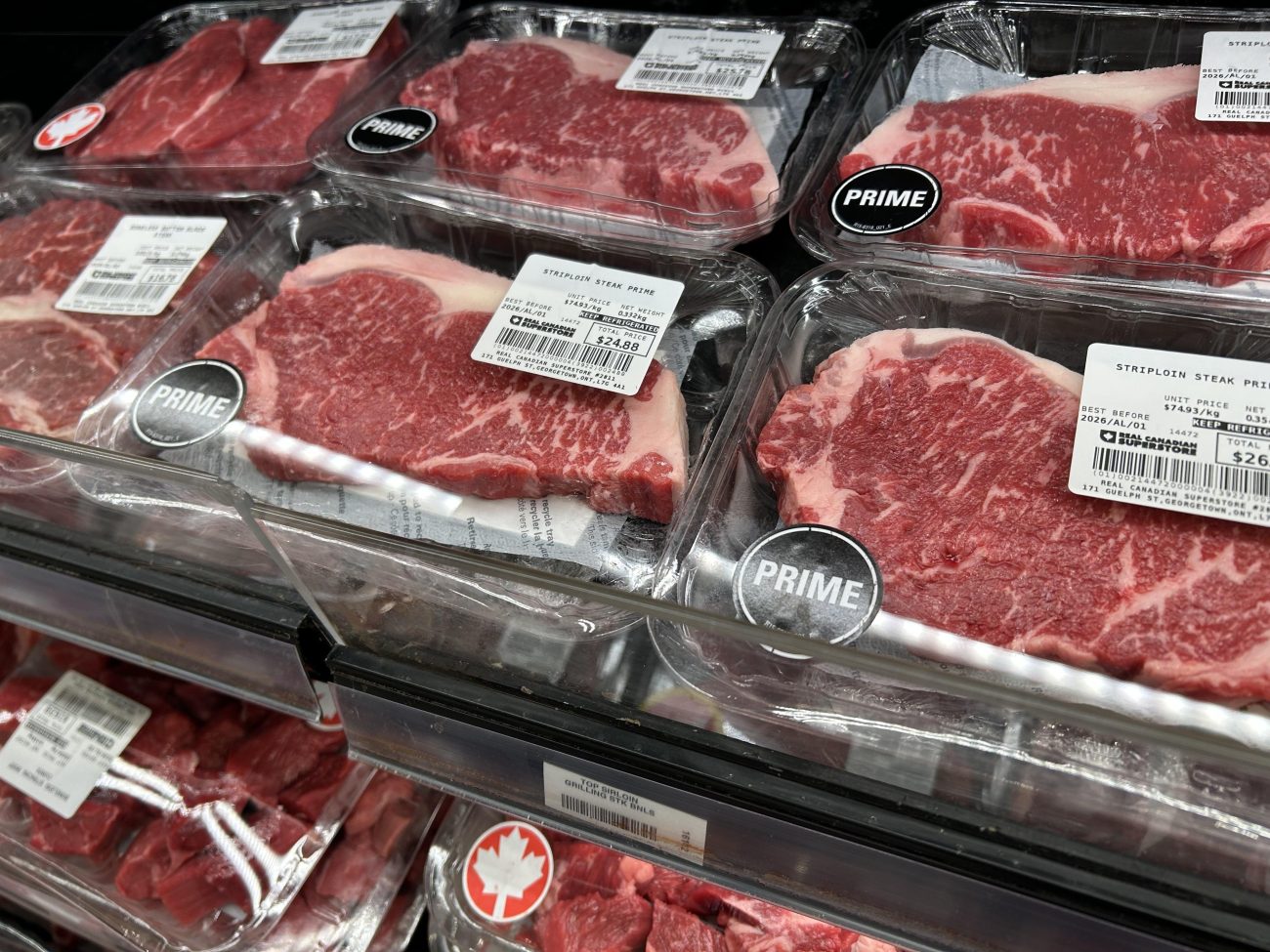
Perishable foods should generally not remain unrefrigerated for more than two hours.
When the surrounding temperature is above 90°F, that limit drops to one hour.
This matters during summer grocery trips, cookouts, and long drives home from the supermarket.
The safest habit is to purchase refrigerated meat near the end of your shopping trip and get it into the refrigerator or freezer promptly.
How Long Can You Keep Beef in the Freezer?
Freezing is useful when you don’t plan to cook meat right away.
When beef is kept continuously frozen at 0°F (-18°C) or below, it can remain safe indefinitely from a microbial standpoint, although quality can decline over time.
For best quality, USDA storage charts commonly recommend using ground beef within three to four months.
Fresh beef steaks and roasts may maintain good quality for considerably longer, depending on the cut and packaging.
Freezer burn can affect flavor and texture, but freezer burn alone doesn’t mean the food is unsafe.
Proper wrapping helps protect meat from air exposure and moisture loss.
Labeling packages with the freezing date also makes it easier to keep track of what you have.
And when it’s time to cook, thaw beef safely in the refrigerator, in cold water with appropriate precautions, or in the microwave if cooking immediately afterward.
Leaving frozen meat on the kitchen counter for hours is not a safe thawing method.
The Biggest Mistake People Make When Cooking Beef
Even when beef looks and smells perfectly normal, it still needs to be handled and cooked safely.
Raw meat can carry harmful microorganisms.
Some may cause serious foodborne illness.
This is especially important for ground beef.
Grinding can distribute bacteria that were originally on the surface throughout the meat.
That’s why ground beef has a different recommended cooking temperature from whole cuts of beef.
According to USDA guidance:
- Ground beef: Cook to an internal temperature of 160°F (71°C).
- Beef steaks, chops, and roasts: Cook to at least 145°F (63°C), followed by a three-minute rest.
Use a food thermometer to check the internal temperature.
Don’t rely solely on whether the meat looks brown inside.
Ground beef can change color before reaching the recommended temperature, and some properly cooked ground beef can retain a pink appearance.
A thermometer provides more reliable information than color.
Why Proper Handling Matters as Much as Cooking
Food safety begins before meat reaches the stove.
When preparing raw beef, keep it separate from foods that won’t be cooked.
Use clean utensils and cutting boards.
Wash your hands thoroughly with soap and water after handling raw meat.
Clean surfaces that come into contact with raw meat juices.
Avoid placing cooked food back onto a plate that previously held raw meat unless the plate has been properly washed.
These precautions help reduce cross-contamination.
That’s particularly important when preparing meals that include fresh vegetables, salads, or other foods served without further cooking.
A perfectly cooked steak won’t protect you from contamination transferred to a salad through an unwashed cutting board.
Safe food preparation is a combination of good storage, clean handling, and proper cooking temperatures.
Can You Save Money by Choosing Darker Beef?
Sometimes, shoppers pass over packages simply because the meat isn’t the brightest shade of red.
But a darker appearance isn’t automatically a reason to reject beef.
If the product has been stored properly, the package is intact, and there are no other warning signs, color differences may reflect normal myoglobin chemistry.
That said, you should never purchase questionable meat merely because it’s discounted.
And you shouldn’t assume that every brown package is safe.
The goal isn’t to ignore appearance.
