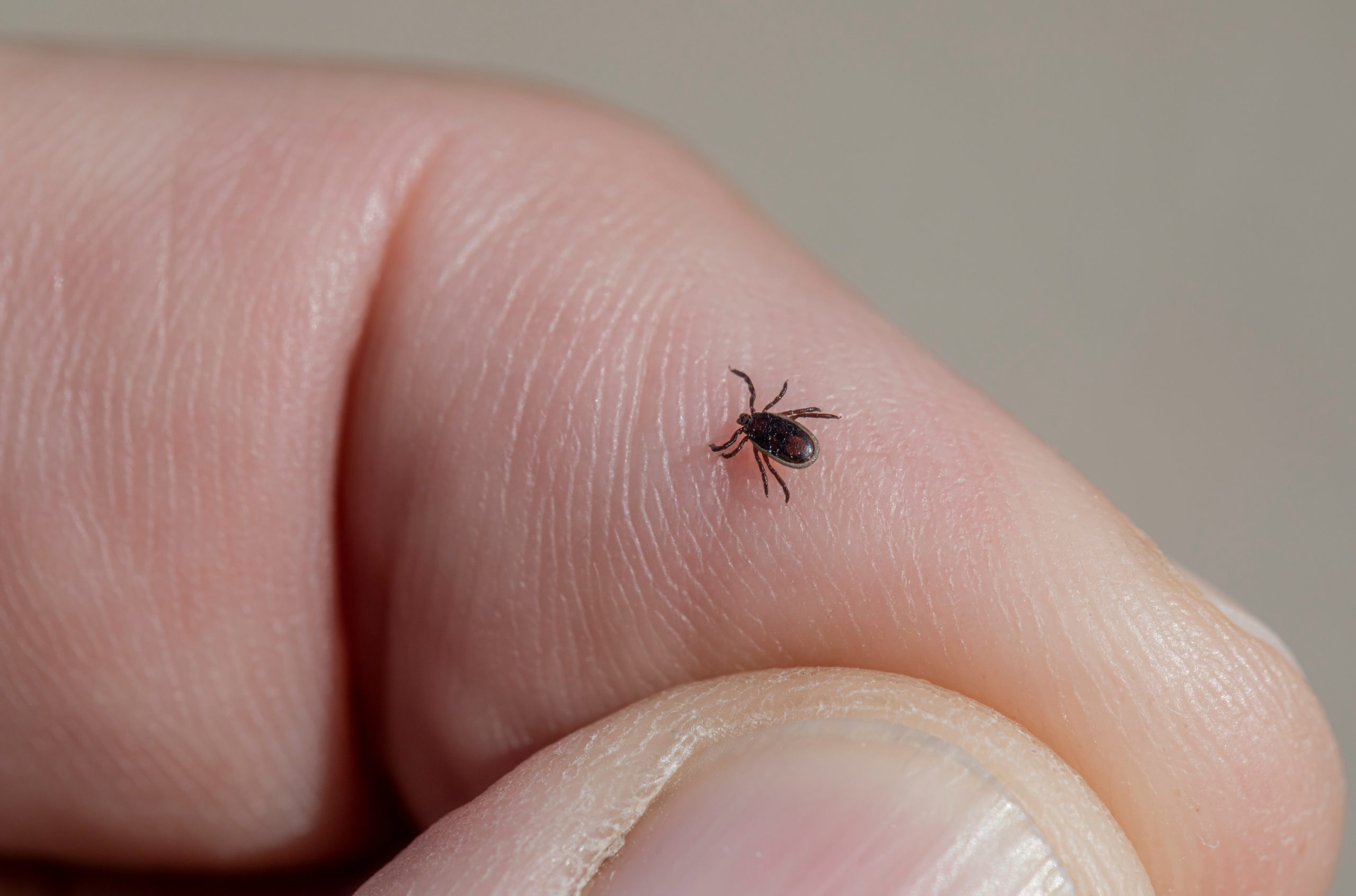
Ticks can hitch a ride indoors on clothes, backpacks or pets before attaching later.
Does the White Spot Mean the Tick Was Infected?
No.
This is one of the most important distinctions for worried parents.
The white marking is a physical characteristic of an adult female lone star tick.
It is not a warning light showing that the tick carries a pathogen.
You cannot look at that spot and determine whether your child will become sick.
In fact, many tick bites do not result in illness.
Risk depends on multiple factors, including the tick species, geographic area, exposure circumstances and the disease in question.
So parents should avoid both extremes.
Don’t assume:
“It has a white spot, so my child is definitely sick.”
But don’t assume:
“My child looks fine right now, so nothing could develop later.”
Instead, remove the tick properly and know what symptoms deserve attention.
What Can Lone Star Ticks Be Associated With?
CDC lists several illnesses associated with lone star ticks, including ehrlichiosis, tularemia, Heartland virus disease and Bourbon virus disease.
A rash illness known as Southern tick-associated rash illness, or STARI, has also been associated with lone star tick bites.
Lone star ticks have not been shown to transmit the bacteria responsible for Lyme disease, according to CDC information on STARI.
There is another condition that has received increasing attention.
It’s called alpha-gal syndrome.
And it’s very different from the tick-borne infections many parents already know about.
The Strange Connection Between Tick Bites and Red Meat Allergy
Alpha-gal syndrome, or AGS, is an allergy to a sugar molecule called alpha-gal.
Alpha-gal naturally occurs in most mammals but not humans.
In the United States, CDC says alpha-gal syndrome is primarily associated with tick bites, particularly bites from lone star ticks, although research into the relationship continues.
Someone who develops AGS may later experience allergic reactions after eating certain mammalian products, including meat such as beef, pork or lamb.
But this point is crucial:
A lone star tick bite does NOT mean your child will develop alpha-gal syndrome.
Not everyone bitten develops it.
And parents shouldn’t immediately remove meat or dairy from a child’s diet simply because they found a tick.
Diagnosis should involve a healthcare professional and consideration of symptoms and medical history.
Alpha-Gal Reactions Can Be Delayed
This is one reason alpha-gal syndrome can be confusing.
For people who have developed AGS, reactions after exposure to products containing alpha-gal often don’t happen immediately.
CDC says symptoms typically appear about 2 to 6 hours after exposure to products containing alpha-gal.
Possible symptoms include hives, itching, stomach pain, nausea, vomiting, diarrhea, swelling, coughing or difficulty breathing, dizziness and potentially severe allergic reactions.
And AGS itself may not become apparent immediately after the tick bite; symptoms can begin weeks or months later.
Again, that does not mean parents should expect this to happen after every bite.
It means unusual recurring allergic reactions following a history of tick exposure are worth discussing with a healthcare professional.
What Symptoms Should Parents Watch For After a Tick Bite?
Most children won’t become seriously ill simply because a tick was found.
Still, after a confirmed or suspected tick bite, pay attention to changes in your child’s health.
Tick-borne illnesses can cause symptoms such as:
- Fever or chills
- Headache
- Unusual tiredness
- Muscle or joint aches
- A new or expanding rash
Symptoms may develop days or weeks after exposure depending on the illness.
If your child develops a rash or fever following a recent tick bite, CDC advises contacting a healthcare provider and explaining when and where the exposure likely occurred.
That last detail matters.
