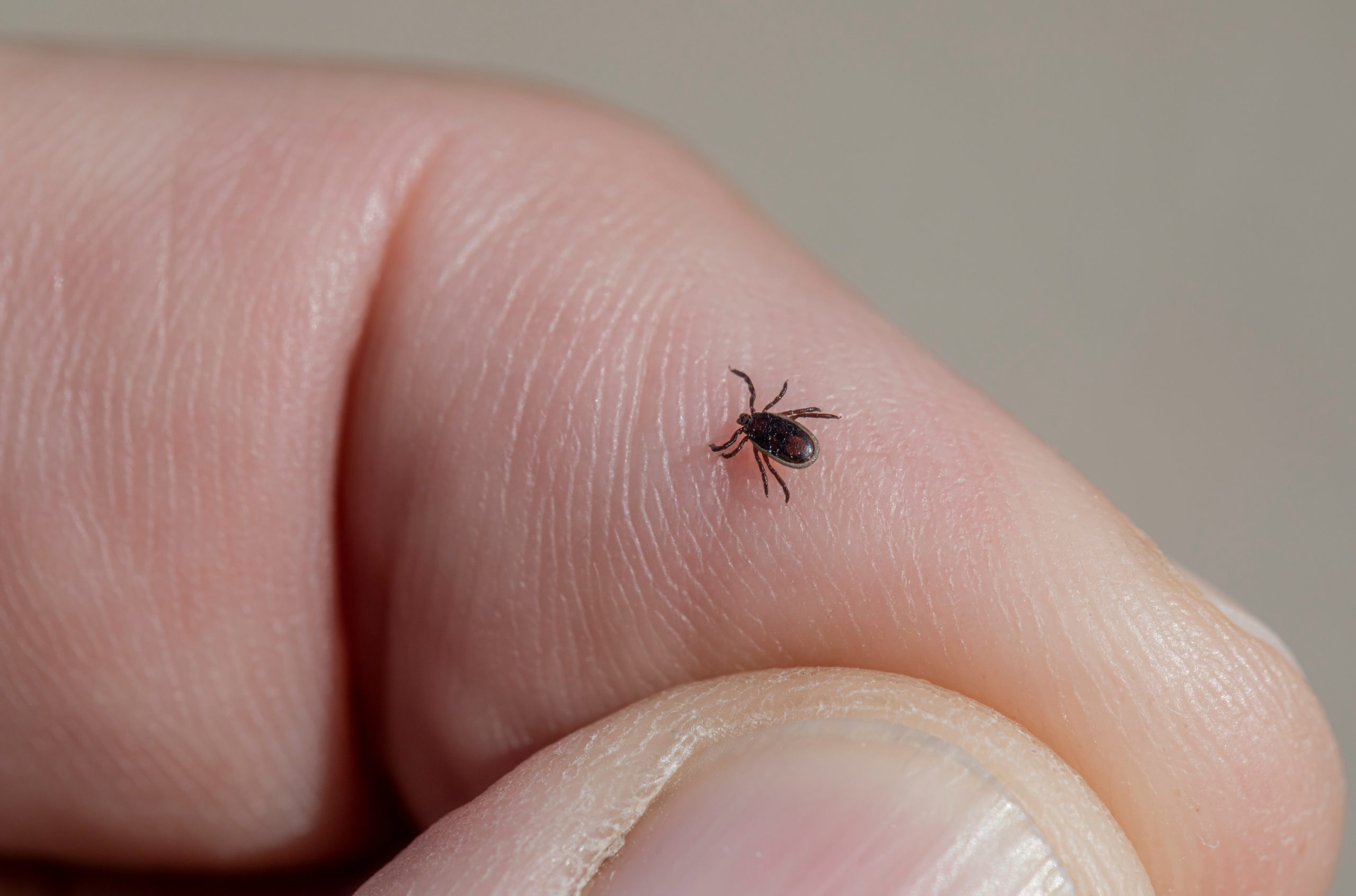
Tell the clinician where your child was when the tick exposure probably happened.
Different tick species and tick-borne illnesses occur in different geographic areas.
Don’t Panic Over a Little Redness
Parents may understandably become concerned when the skin around a bite turns red.
But some localized redness or irritation can occur after a tick bite and does not automatically mean an infection.
CDC specifically notes that lone star tick saliva can be irritating and may cause redness and discomfort at the bite site.
What deserves more attention is a rash that expands, unusual symptoms, fever or a child who appears increasingly unwell.
When you’re uncertain, contact your child’s healthcare provider rather than trying to diagnose a rash from internet photographs.
When Is It an Emergency?
Most tick bites are not medical emergencies.
But severe symptoms are different.
Seek immediate emergency care if your child develops symptoms suggesting a serious allergic reaction, such as significant difficulty breathing, severe swelling, fainting or other signs of anaphylaxis.
CDC notes that alpha-gal reactions can, in some cases, become life-threatening.
A child who appears seriously ill should be medically assessed regardless of whether you’re certain a tick caused the problem.
Should You Save the Tick?
Taking a clear photograph can sometimes be useful for later identification.
If you choose to keep the tick temporarily, place it in a secure container rather than handling it repeatedly.
But don’t make a common mistake:
Don’t delay appropriate medical care while waiting to have the tick tested.
CDC generally does not recommend commercial testing of ticks to make treatment decisions.
A tick can test positive for an organism without having transmitted it to the person.
A negative result can also create false reassurance.
Medical decisions should be based on the patient’s circumstances and symptoms rather than relying solely on testing the removed tick.
Outdoor Play Doesn’t Have to Stop
After a frightening tick encounter, some parents understandably want to keep their children away from grass and wooded areas entirely.
That usually isn’t necessary.
Children benefit from being outdoors.
The more useful approach is reducing exposure and making tick checks part of the routine.
When children spend time around wooded areas, brush or tall grass, consider appropriate protective clothing and an age-appropriate insect repellent used according to its label.
After returning home:
Check clothing.
Check gear.
Check pets.
Have children shower when practical.
And perform a thorough body check.
CDC also recommends EPA-registered repellents and notes that clothing and gear can be treated with products containing 0.5% permethrin when used according to instructions.
Teach Children What to Look For
Older children can become part of the prevention routine.
Teach them that a tick may look like a tiny dark speck.
Tell them not to rip an attached bug off with their fingernails.
Instead, they should show an adult.
Children who spend time hiking, camping, playing near wooded areas or walking through tall grass can also learn to check exposed skin when they come indoors.
That simple habit may help ticks get noticed earlier.
The Most Important Thing Isn’t the White Spot
Seeing a tick-like bug with a bright white dot on your child’s skin can be frightening.
And yes, that marking can be characteristic of an adult female lone star tick.
But don’t let one tiny white spot become the entire story.
It cannot tell you whether the tick carried a disease.
It cannot tell you whether an infection was transmitted.
And it certainly doesn’t mean your child is destined to become sick.
What matters is what happens next.
Remove an attached tick promptly.
Clean the area.
Check the rest of your child’s body.
Remember when and where the exposure occurred.
Watch for concerning symptoms.
And contact your child’s healthcare provider when symptoms develop or when you’re uncertain about what to do.
The goal isn’t to make parents afraid of nature.
It’s to make them prepared.
Because sometimes the difference between panic and confidence is simply knowing what you’re looking at—and knowing what to do next.
Had you heard before that the single white dot can be a characteristic of an adult female lone star tick?
