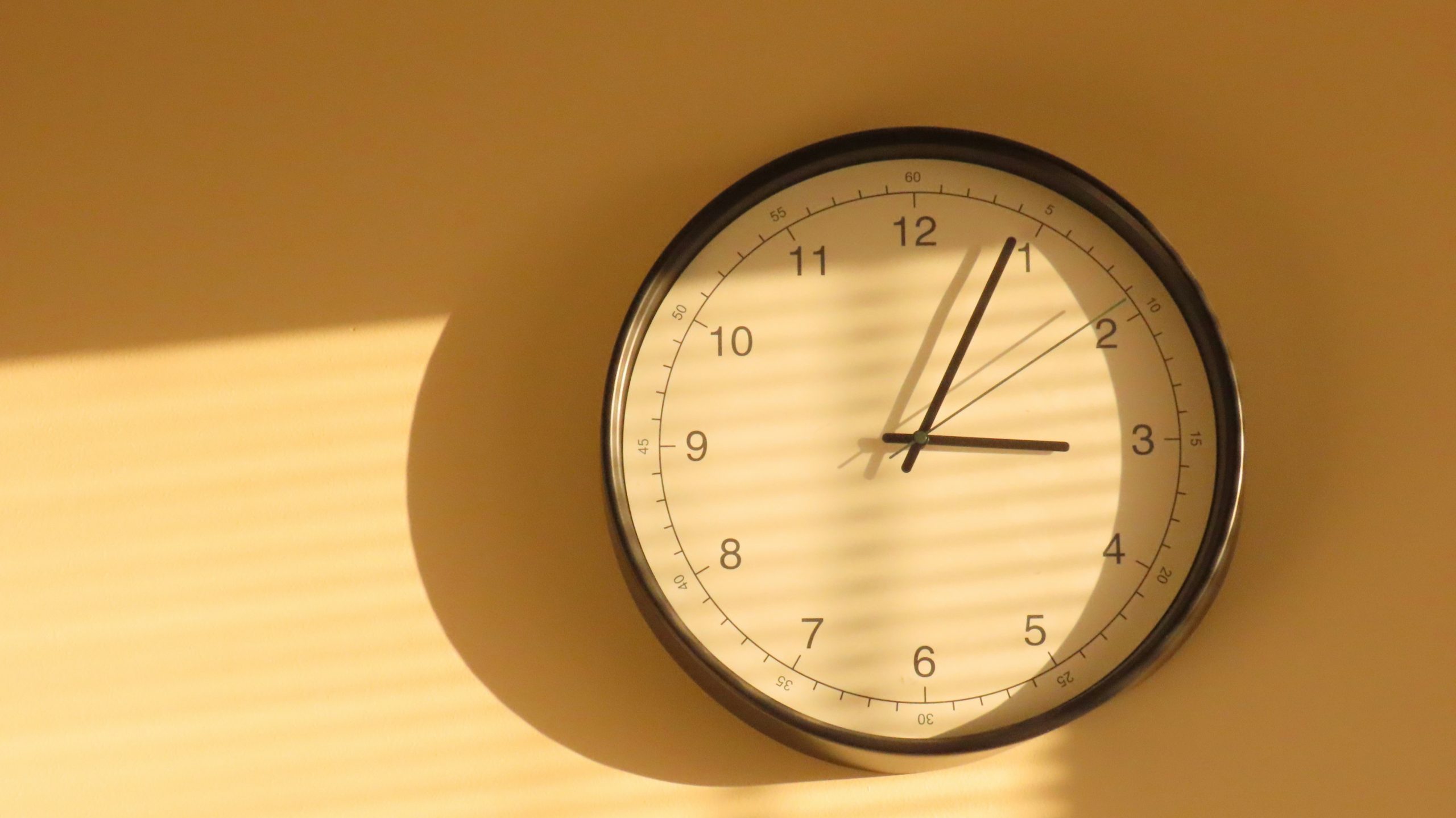
Have you ever opened your eyes in the middle of the night, glanced at the clock, and discovered that it was 3:17 a.m.?
Perhaps you rolled over, tried to fall asleep again, and eventually drifted off.
But the next night, it happened again.
And then again.
After several mornings of waking at nearly the same hour, you might begin wondering whether there is a reason.
For some people, waking between 3 and 5 a.m. feels strangely meaningful. The house is silent, the world outside is still dark, and thoughts that seemed unimportant during the day suddenly feel impossible to ignore.
Some spiritual traditions associate the hours before sunrise with reflection, prayer, and heightened awareness.
Sleep specialists, however, point to more ordinary explanations, including stress, changes in sleep cycles, environmental disturbances, and physical discomfort.
The experience can feel mysterious, but understanding what happens during these hours may help explain why it occurs.
Why Do So Many People Wake Up Around 3 A.M.?
Sleep is not one continuous state of unconsciousness.
Throughout the night, the brain moves through different stages of sleep.
These include lighter sleep, deeper sleep, and rapid eye movement sleep, commonly known as REM sleep.
As the night progresses, the balance of these stages changes.
Deep sleep tends to be more prominent earlier in the night, while REM sleep periods generally become longer toward morning.
Brief awakenings can occur naturally between sleep cycles.
Many people fall asleep again so quickly that they do not remember waking.
But when an awakening lasts longer, it becomes noticeable.
If you regularly go to bed around the same time, you may also find yourself waking during a similar part of your sleep cycle each night.
That can make the timing appear more unusual than it actually is.
1. Stress May Be Interrupting Your Sleep
One of the most common reasons for waking during the night is stress.
You might fall asleep without difficulty, only to wake several hours later with your mind suddenly active.
Concerns about work, finances, relationships, family responsibilities, or health can make it harder to return to sleep.
During the day, distractions may keep those thoughts in the background.
At night, when everything becomes quiet, they may feel more prominent.
Stress can also contribute to a state of heightened alertness.
Instead of relaxing after a brief awakening, you may begin thinking about tomorrow’s responsibilities.
Then you notice the time.
You calculate how many hours of sleep remain.
And the pressure to fall asleep can make the situation worse.
If this sounds familiar, the problem may not be the specific hour.
It may be the difficulty your mind has settling down after waking.
2. Your Natural Sleep Cycle May Be Changing
Sleep patterns change throughout life.
As people get older, they may notice that they become sleepy earlier in the evening and wake earlier in the morning.
Sleep can also become more fragmented.
This does not mean that poor sleep is inevitable with age.
But changes in the body’s internal clock may influence when sleep feels most natural.
For example, someone who falls asleep at 8:30 p.m. may wake much earlier than a person who goes to bed at midnight.
The amount of sleep needed varies, but most adults generally need at least seven hours per night.
If you wake early and feel rested throughout the day, your schedule may simply be shifting.
If you wake exhausted and cannot return to sleep, however, the pattern deserves closer attention.
3. Your Bedroom Environment Could Be Responsible
Sometimes, the explanation is surprisingly simple.
A bedroom that becomes too warm during the night can interrupt sleep.
