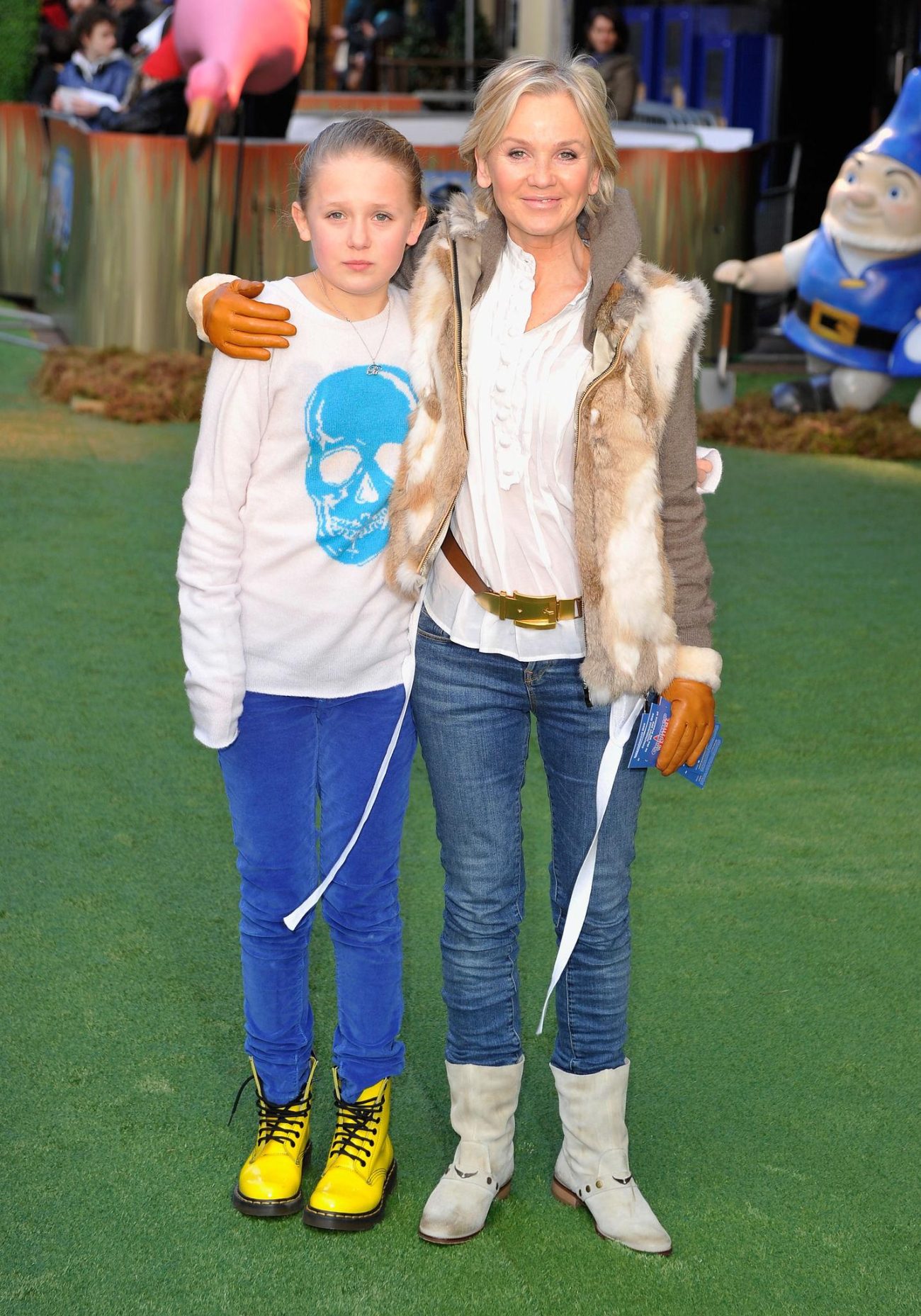
Beau had participated in the interview and reviewed an edited version before her death.
Following her passing, Columbia decided to publish the conversation with permission from her family and support from members of the university community.
The interview offered a glimpse into the future Beau had been working toward.
She described her interest in cultural journalism, particularly reporting that examines how identity, institutions, and social expectations influence people’s lives.
She also spoke about the excitement of studying journalism in New York City.
For someone interested in reporting, the opportunity to learn from experienced journalists while surrounded by ambitious classmates had been especially meaningful.
The interview now serves as a record of her intellectual curiosity and professional goals.
It also allows readers to remember Beau for her own work and ideas, rather than solely through her relationship with a famous parent.
Beau Had Already Written Her First Play
Journalism was only one part of Beau’s creative life.
During her studies at Cambridge, she wrote a play titled The Sandbag.
The work explored themes including family, memory, the body, and inherited narratives.
These subjects were closely connected to her wider interests in identity and personal experience.
Beau did not see journalism and theater as competing ambitions.
Instead, she hoped to continue working in both fields.
She was interested in journalism for its ability to engage directly with contemporary events and people’s lives.
Theater offered another way to explore complex experiences through characters, dialogue, and dramatic structure.
Her academic journey suggested that she was still developing the balance between these creative pursuits.
At just 27, she had already established a foundation for a career built around writing and understanding others.
Her Entrepreneurial Work Also Drew Attention
Beau’s interests extended beyond journalism and theater.
As a teenager, she created Beau’s Community Bakes, a project that used baking and recipes to encourage conversations with older people, including those experiencing loneliness.
The idea reflected her interest in human connection and community.
She also developed SpecialName, a website designed to help Chinese parents choose English names for their children.
The project attracted considerable attention.
In her Columbia interview, Beau discussed how the venture led to a TEDx talk and her involvement in helping name approximately one million babies.
These experiences showed an entrepreneurial side to her work.
They also reflected the curiosity about language, culture, and identity that later became central to her journalism ambitions.
Lisa Maxwell Had Publicly Celebrated Her Daughter’s Achievements
Lisa Maxwell had previously shared her pride in Beau’s educational accomplishments.
In September 2026, she celebrated her daughter’s place among Columbia Journalism School’s Class of 2027.
The moment represented an exciting milestone for Beau, who was studying in New York and preparing for a career in journalism.
Maxwell’s public career has spanned decades, but her daughter was a deeply important part of her personal life.
The actress and Paul Jessup married in 2014, and Beau was their only child.
Previous comments from Maxwell had reflected the affection and laughter she shared with her daughter.
Following Beau’s death, public attention has naturally turned toward the family.
However, the family’s privacy remains important, particularly while the circumstances surrounding the loss have not been disclosed.
Remembering Beau Beyond Her Famous Family
Although headlines identify Beau as Lisa Maxwell’s daughter, her own achievements deserve recognition.
She was a student of journalism and anthropology.
She was a playwright.
She had created projects involving community engagement and language.
And she was developing a professional identity centered on telling people’s stories thoughtfully.
Her Columbia interview is particularly significant because it preserves her own account of what mattered to her.
She wanted to report on people, culture, and social questions.
