The day my husband told me I had no right to question how he spent his paycheck, I was standing in our kitchen heating water on the stove.
Our water heater had stopped working three weeks earlier.
I had asked Alden to call someone to repair it.
He told me we couldn’t afford it.
Then, that same afternoon, he came home with a brand-new riding mower that cost more than twelve thousand dollars.
When I asked how we could afford the mower but not hot water, he looked at me as though I were a child who had interrupted an important conversation.
“Joanne, I earn the money. I decide how it gets spent.”
I was sixty-eight years old.
We had been married for forty-five years.
And for most of those years, I had believed that keeping the peace meant knowing when to remain silent.
But something changed that afternoon.
Because the house where Alden stood telling me what I could and couldn’t afford wasn’t his.
The farmhouse belonged to me.
So did the forty acres surrounding it.
My father had transferred the property into my name in 1981, years before Alden began treating every family decision as though it required his approval.
I didn’t remind him of that immediately.
Instead, I began making a few quiet changes.
I opened a separate bank account.
I arranged for my pension to be deposited there.
And I made an agreement with our neighbors to rent part of the pasture for their goats.
I thought those decisions would finally give me some independence.
I had no idea they would uncover a $186,400 loan bearing my signature.
A signature I had never written.
The Farm My Father Left Me
My father bought our farmhouse when I was a little girl.
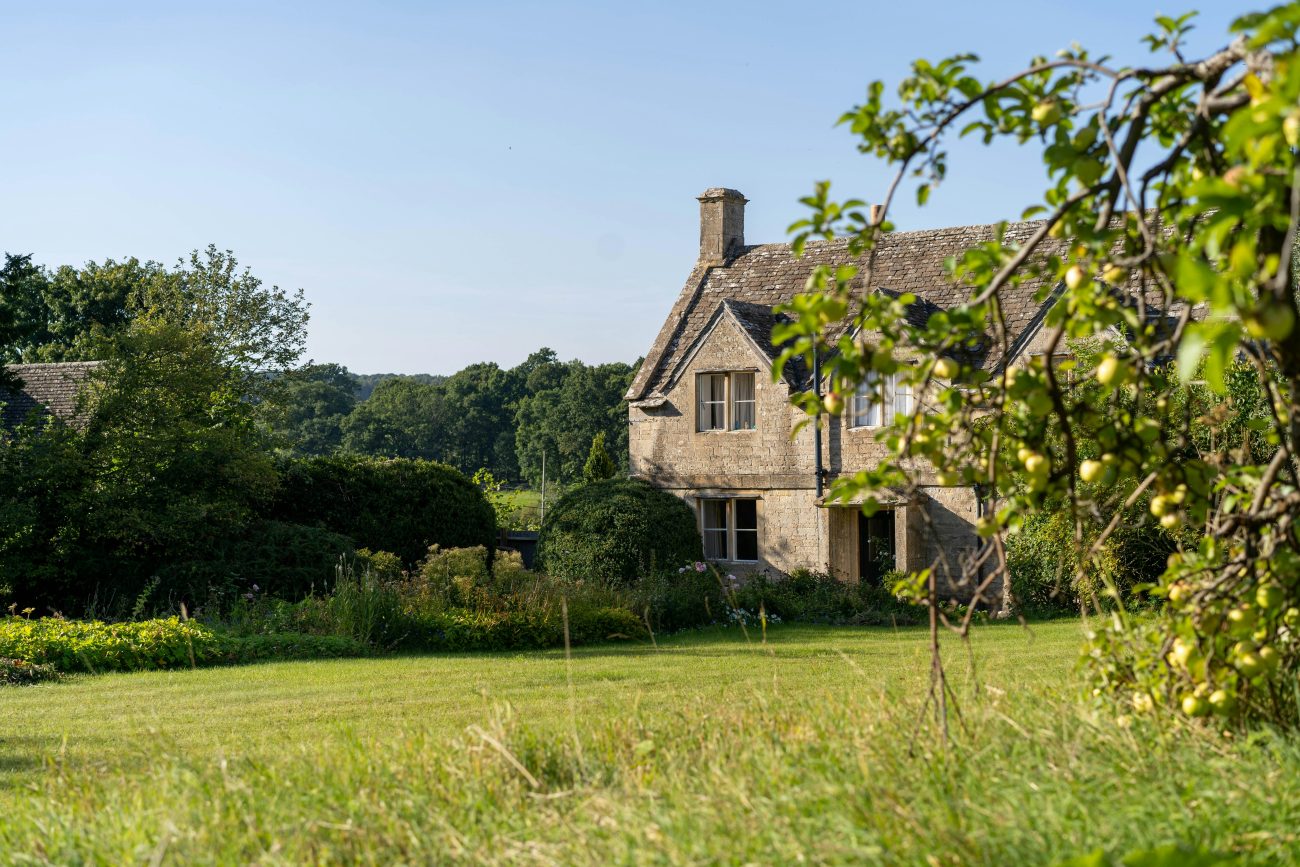
It sat at the end of a gravel driveway, with a broad front porch, a weathered red barn, and an oak tree that had been old even when I was young.
The house wasn’t grand.
The kitchen floor creaked near the refrigerator.
The upstairs windows rattled during winter storms.
And the porch needed repainting every few years.
But it was home.
My father worked long days to keep the property.
He raised vegetables, repaired fences, and taught me how to recognize when a storm was coming by watching the sky over the western pasture.
When he transferred the property to me, he told me something I never forgot.
“Joanne, land won’t solve every problem. But if you take care of it, you’ll always have somewhere to stand.”
I was young then.
I didn’t fully understand what he meant.
For decades, I thought of the farm as the place where Alden and I had built our marriage.
I rarely thought about whose name appeared on the deed.
Alden and I shared responsibilities.
Or at least, that’s what I believed.
I worked for the postal service for thirty-one years.
I delivered mail through summer heat, winter snow, and rainstorms that turned country roads into muddy tracks.
When I retired, I began receiving a pension.
It wasn’t enormous, but I’d earned every dollar.
Alden continued working.
Over time, he began speaking as though his paycheck was the only money that mattered.
He controlled the joint checking account.
He decided which repairs were necessary.
He questioned purchases I made for myself.
I told myself that was simply how our marriage worked.
Until the water heater broke.
The Twelve-Thousand-Dollar Mower
The morning Alden brought home the mower, I had been washing dishes with water heated in a large pot.
It was awkward and exhausting.
I’d already burned my wrist once trying to carry the pot across the kitchen.
