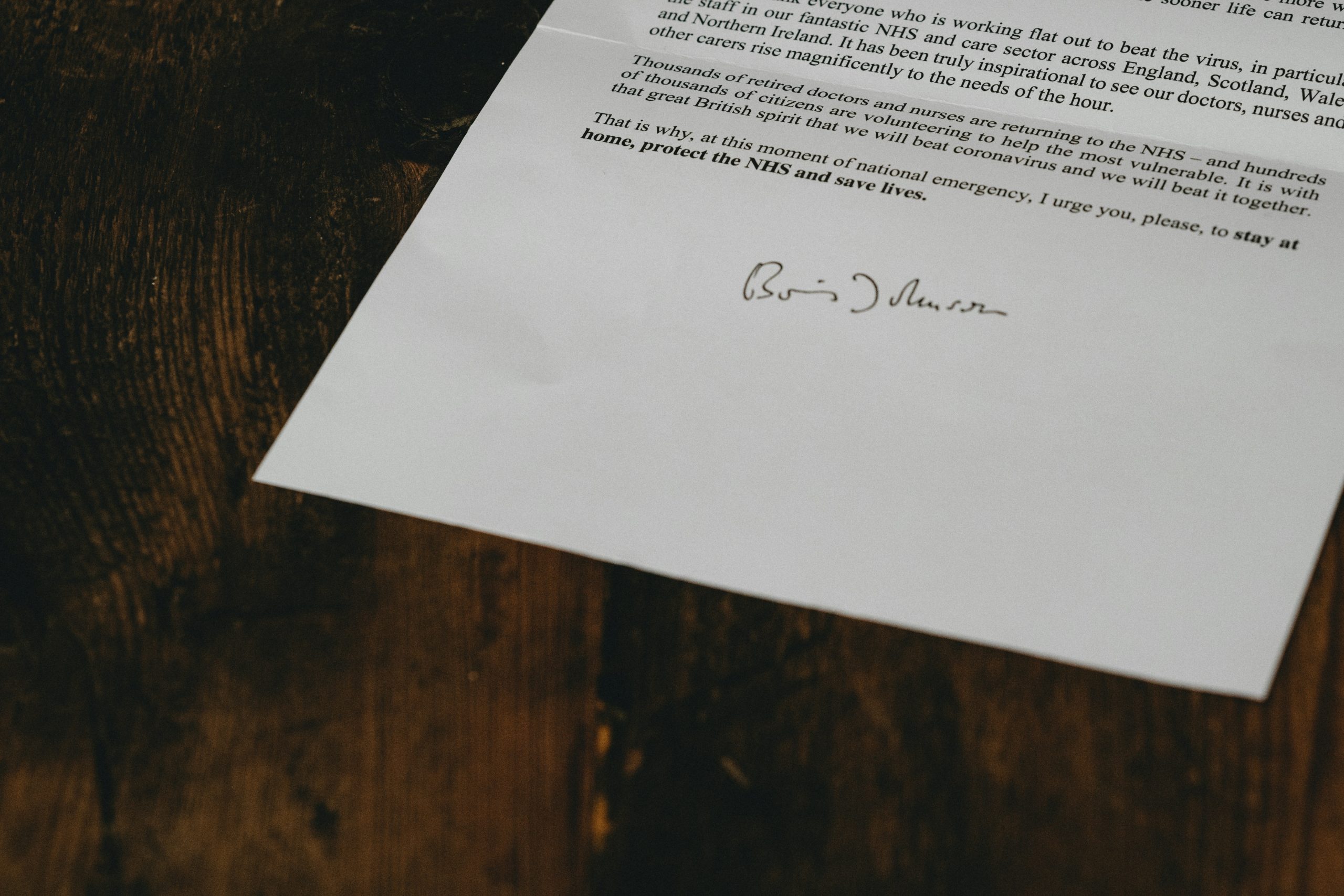
She had been fighting cancer while trying to preserve enough normalcy that even her neighbor didn’t know.
That didn’t mean I was wrong for wondering whether I’d ever be repaid.
Money matters.
Boundaries matter.
People can be generous and still expect promises to be kept.
But her letter reminded me of something else.
Sometimes we simply don’t know what another person is carrying.
The Part That Hurt Most Wasn’t Losing Her
It was realizing how little I had understood.
I wished she’d told me.
I wished I’d asked more questions.
I wished that instead of simply handing her money, I’d occasionally asked:
“Are you okay?”
Not casually.
Really asked.
Maybe she still wouldn’t have told me.
Some people protect their privacy fiercely, especially when they’re sick.
Maybe she didn’t want pity.
Maybe talking to me about ordinary things was one of the few parts of her life that still felt normal.
I’ll never know.
And that is something money can’t resolve.
I Didn’t Feel Like I’d Earned $15,000
When everything was eventually settled, the inheritance still felt strange.
I hadn’t given her money expecting a reward.
Certainly not one many times larger than what I’d lent her.
For a while, I considered refusing it.
But then I returned to her note.
She had made the decision deliberately.
Accepting what she’d left me was also a way of respecting that decision.
So I did.
But the money wasn’t what stayed with me.
Her words did.
“Thank you for never making me feel small.”
I’d never realized how important that could be.
Whenever she asked for help, I’d tried not to embarrass her.
I didn’t lecture her.
I didn’t demand an explanation.
I didn’t remind her of the previous loan before handing her another $50.
To me, that had seemed like basic decency.
To her, it had apparently meant much more.
Small Acts Don’t Always Feel Small to the Person Receiving Them
We tend to imagine meaningful generosity as something dramatic.
A huge donation.
A life-changing gift.
A heroic sacrifice.
But sometimes what changes someone’s day—or helps them survive an especially difficult period—is far less dramatic.
A bag of groceries.
A ride to an appointment.
An hour of someone’s time.
Or $50 handed over without making the person asking for it feel ashamed.
What seems ordinary to the giver can become unforgettable to the person who desperately needed it.
I learned that from my neighbor.
Unfortunately, I learned it after she was gone.
I Still Think About That First Knock on My Door
If I could return to that afternoon when she first asked for $50, I wouldn’t change my answer.
I’d still give it to her.
But I’d do one thing differently.
I’d ask her to sit down.
I’d make coffee.
And I’d ask whether something was happening that she wanted to talk about.
Maybe she’d tell me.
Maybe she wouldn’t.
But at least she would know the door was open for more than money.
For a year, I thought I was helping my neighbor financially.
Only after she died did I understand what she’d believed I was giving her.
Dignity.
And in the end, the $15,000 wasn’t the most valuable thing she left behind.
It was the reminder contained in one sentence:
A small kindness can mean far more to someone than we’ll ever realize.
If you were in my position, would you have accepted the $15,000—or would receiving that much money from a neighbor you had helped feel uncomfortable?
