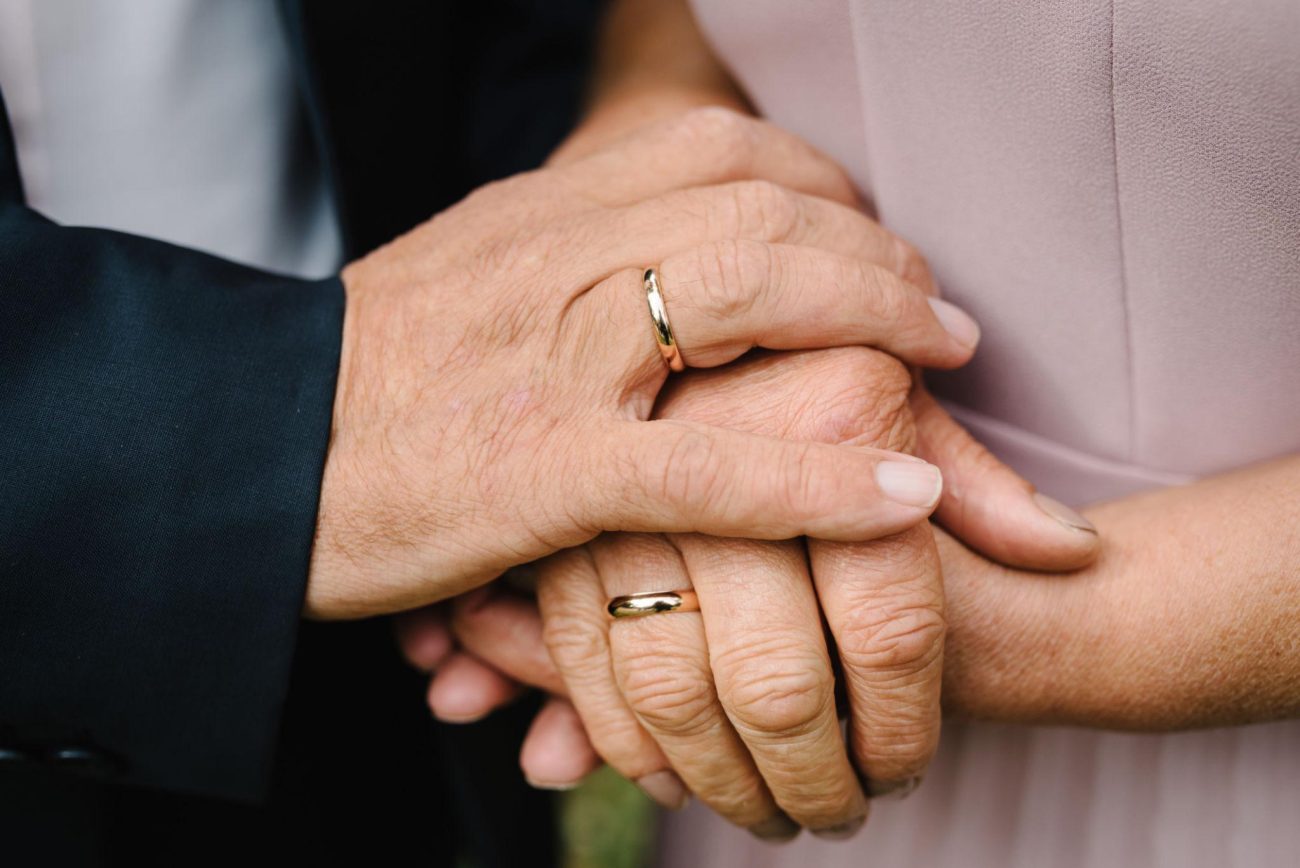
The relationship becomes less about escaping loneliness and more about choosing partnership.
Why Some People Become More Selective
After experiencing difficult relationships, people may become clearer about what they can and cannot accept.
They may no longer overlook repeated dishonesty.
They may recognize controlling behavior sooner.
They may understand that an apology means little without changed behavior.
They may also become more realistic about ordinary human imperfections.
A partner who forgets an anniversary is not necessarily uncaring.
A disagreement about household routines does not automatically mean two people are incompatible.
Maturity can involve learning to distinguish between manageable differences and serious problems.
That distinction is valuable.
No marriage is free from frustration.
But not every frustration deserves the same response.
Knowing which issues require compromise and which require firm boundaries can help people build healthier relationships.
The Hidden Challenge of a Third Marriage
A third marriage may bring considerable life experience, but it can also involve complicated circumstances.
Partners may have adult children, grandchildren, retirement plans, established homes, or significant financial obligations.
They may be accustomed to living independently.
They may have strong preferences about daily routines.
Combining two established lives can require substantial adjustment.
For example, one partner may want to sell their home and move.
The other may feel deeply attached to the property where they raised their children.
One may want to travel extensively during retirement.
The other may prefer remaining close to family.
These differences are not necessarily signs of incompatibility.
But they need to be discussed honestly.
At this stage, couples may benefit from being particularly clear about expectations rather than assuming love will resolve practical disagreements.
The Risk of Repeating the Same Relationship Patterns
One of the most important lessons about multiple marriages is that changing partners does not automatically change behavior.
A person who avoids conflict may continue avoiding it.
Someone who struggles with jealousy may experience the same fears in another relationship.
A partner who expects others to manage every responsibility may repeat that pattern.
The circumstances may change, but the underlying habits can remain.
That is why self-reflection matters.
Before entering another marriage, it can be useful to ask difficult questions.
What contributed to the breakdown of earlier relationships?
Which problems were outside my control?
Which behaviors could I have handled differently?
What expectations do I bring into a new partnership?
And what evidence do I have that I’ve made meaningful changes?
These questions are not about assigning all the blame to oneself.
They are about recognizing the parts of a relationship that can be understood and improved.
First, Second, and Third Marriages: The Main Differences
Although every relationship is unique, certain patterns may help explain how people’s expectations evolve.
| First marriage | Second marriage | Third marriage | |
|---|---|---|---|
| Common starting point | Hope and shared dreams | Hope informed by experience | More established personal priorities |
| Major challenges | Learning to live as partners | Blended families, finances, past experiences | Combining established lives and commitments |
| Potential emotional focus | Romance and building a future | Trust, stability, and rebuilding | Companionship, peace, and compatibility |
| Important lesson | Love requires daily effort | Past patterns need attention | Experience must lead to actual change |
These are tendencies, not rules.
Some first marriages begin with exceptional maturity and last a lifetime.
Some second marriages are deeply fulfilling.
Some third marriages succeed because both partners have learned to communicate and respect boundaries.
Others struggle because unresolved difficulties continue.
Marriage number alone cannot predict the quality of a relationship.
Does Marriage Become Easier the Second or Third Time?
Not necessarily.
Greater experience can help people recognize problems and communicate more effectively.
But later marriages may also involve additional practical and emotional challenges.
