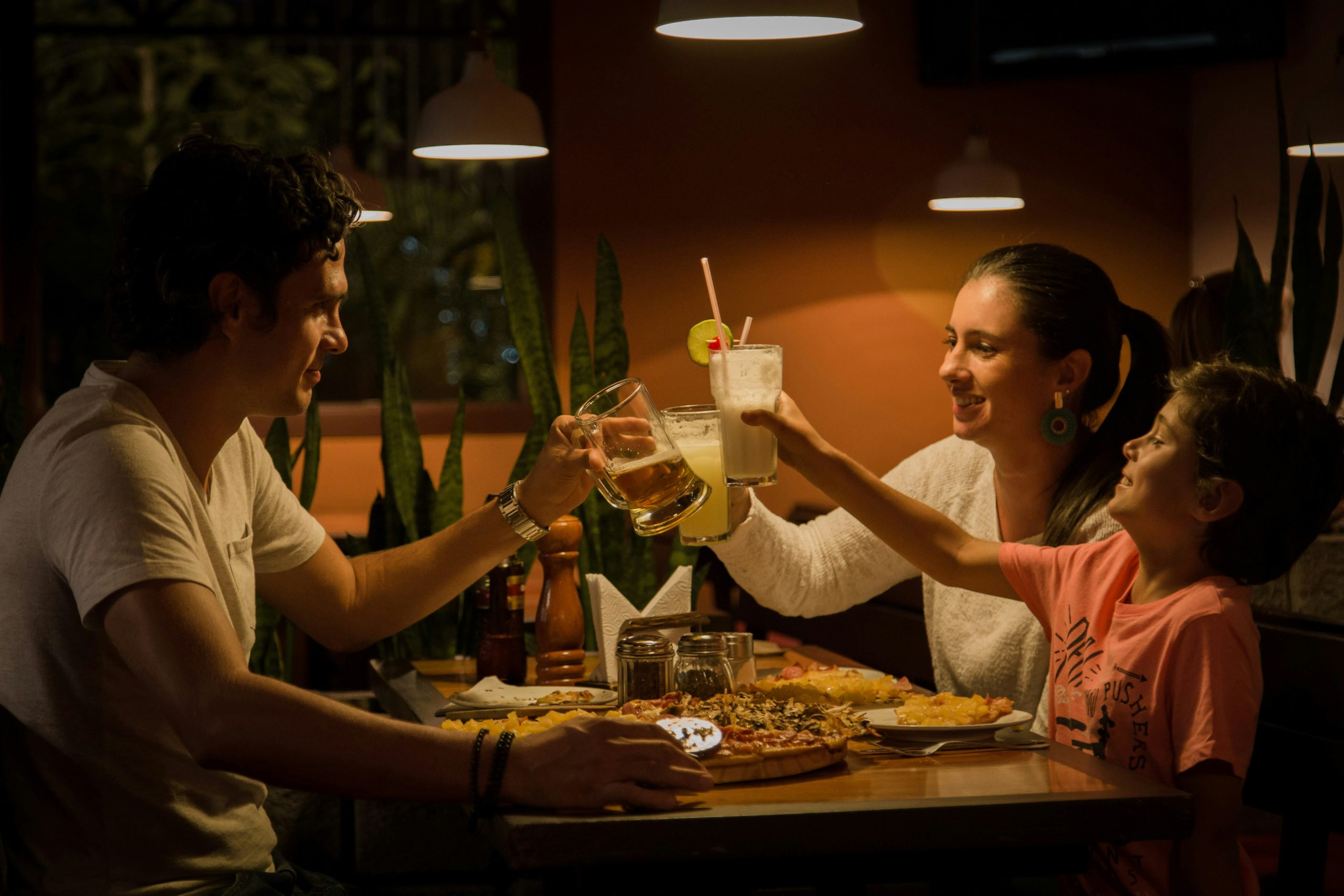
A welcoming table.
Reasonable portions.
Friendly service.
A place where families don’t feel as though they’re being hurried toward the exit.
Those qualities aren’t outdated.
Why Nostalgia Is So Powerful
Nostalgia works because memories aren’t stored as lists of facts.
They’re connected to feelings.
A particular restaurant can remind someone of being 12 years old.
A dessert can remind them of their mother.
A booth beside a window can bring back Sunday afternoons with grandparents who are no longer alive.
That’s why people sometimes become surprisingly passionate when an old restaurant closes.
To an outsider, it’s just another business.
To a longtime customer, part of their personal landscape has disappeared.
The Second Cup of Coffee Mattered
One small detail captures the difference particularly well.
Coffee.
In an old-fashioned family restaurant, ordering another cup wasn’t necessarily about needing caffeine.
It meant the conversation wasn’t finished.
Nobody had to leave yet.
The server might refill the cup while clearing the plates.
Someone remembered another story.
Ten minutes became thirty.
Those minutes didn’t look important at the time.
Years later, they sometimes become the moments people miss most.
Today’s Families Need Those Moments Too
It’s easy to romanticize the past.
Old restaurants had problems too.
Service wasn’t always perfect.
Menus weren’t necessarily healthier.
And plenty of establishments disappeared because customers simply stopped going.
But the desire for connection hasn’t disappeared.
Families still need places where multiple generations can sit together comfortably.
Friends still want somewhere they can talk.
Older customers still appreciate being treated as guests rather than order numbers.
Parents still want their children to experience family traditions.
The setting may change.
The underlying need doesn’t.
A Restaurant Can Become Part of a Family Story
Consider how many milestones happen around tables.
First dates.
Birthdays.
Graduations.
Anniversaries.
Sunday lunches.
A child’s first restaurant meal.
A grandparent’s final birthday celebration.
Restaurants become the background to events that have nothing to do with the restaurant itself.
That’s why a seemingly ordinary dining room can eventually acquire enormous sentimental value.
The building isn’t what people truly miss.
They miss who they were when they sat inside it.
The Past Doesn’t Need to Be Perfectly Recreated
Perhaps that’s the biggest lesson for any restaurant trying to revive a traditional experience.
The goal shouldn’t be to pretend time stopped.
It didn’t.
The children who once ordered from the kids’ menu may now be grandparents.
The employees changed.
The neighborhood changed.
The menu probably needs to change too.
But some traditions can survive modernization.
Sitting together.
Talking without staring at the clock.
Sharing food.
Ordering dessert even when nobody really needs it.
Staying for one more coffee.
Those experiences aren’t tied to a particular decade.
Maybe That’s What We’re Really Trying to Bring Back
People often say they miss old restaurants.
But perhaps what they really miss is the pace of life surrounding them.
They miss dinners that weren’t interrupted by notifications.
They miss parents who were younger.
They miss children who hadn’t grown up yet.
They miss having nowhere more important to be.
No restaurant can restore those years.
But it can create the conditions for new memories.
A table.
A meal.
Enough time to talk.
And people you care about sitting across from you.
Years from now, today’s children may look back on those ordinary dinners exactly the way their parents and grandparents remember the restaurants of their childhood.
Because sometimes the most meaningful family traditions aren’t complicated at all.
Sometimes they’re simply built around a table where nobody is in a hurry to leave.
