Any cracked or otherwise damaged cooking vessel should be taken out of service.
If there is uncertainty about whether the insert remains safe, contact the manufacturer rather than continuing to use it.
Why You Should Never Add Cold Water to Hot Ceramic
Adding cold water to a hot ceramic cooking vessel can create a rapid temperature difference.
The outer or inner surface may cool and contract faster than the surrounding material.
That uneven change can produce stress within the ceramic.
In some circumstances, cracking may result.
This is why it is generally safer to let hot stoneware cool gradually before washing it, unless the manufacturer’s instructions specifically permit another procedure.
The same principle applies when transferring a ceramic vessel between very hot and very cold environments.
Avoid sudden temperature changes that the product was not designed to tolerate.
Other Slow Cooker Mistakes Worth Avoiding
Placing a ceramic insert on the stovetop is not the only mistake that can cause problems.
Safe slow cooker use also involves following the appliance’s operating instructions.
Avoid using an insert that is visibly cracked.
Do not use a damaged electrical cord or plug.
Keep the appliance on a stable surface where it cannot easily be knocked over.
Follow the manufacturer’s guidance about filling levels and lid placement.
When preparing meat, poultry, and other perishable foods, use food-safe handling practices.
Food should be cooked to appropriate internal temperatures, and leftovers should be refrigerated promptly.
A food thermometer can help verify that meat has reached a safe temperature.
These precautions may seem simple, but they help reduce avoidable risks.
Why This Mistake Is Easy to Make
The confusion is understandable.
A slow cooker insert often looks like a heavy-duty cooking pot.
It may have thick walls and a smooth glazed finish.
Some inserts also resemble oven-safe casserole dishes.
Because of that appearance, someone might reasonably assume the vessel can be used anywhere regular cookware is used.
But cookware safety depends on materials, manufacturing, and the heating methods for which the product was designed.
Two containers that look similar may have very different limitations.
A stovetop-safe metal pot and a traditional ceramic slow cooker insert should not be treated as interchangeable.
The safest approach is to follow the instructions for the actual product rather than judging its capabilities by appearance.
A Small Precaution Can Prevent a Serious Accident
Kitchen accidents often happen during familiar routines.
Someone may be preparing dinner while answering the phone, helping a child, or cleaning up the counter.
A quick decision can seem harmless.
Placing the crock on a burner for a few minutes might appear convenient.
But the potential consequences are not worth the risk.
Using a separate skillet requires only a small additional step.
It also protects the slow cooker insert from heat exposure it may not be designed to withstand.
For families who use slow cookers regularly, this is an important habit to establish.
It is particularly useful when several people share cooking responsibilities.
Everyone who uses the appliance should understand which components are safe for which heating methods.
Final Thoughts
Slow cookers are popular because they make home cooking convenient.
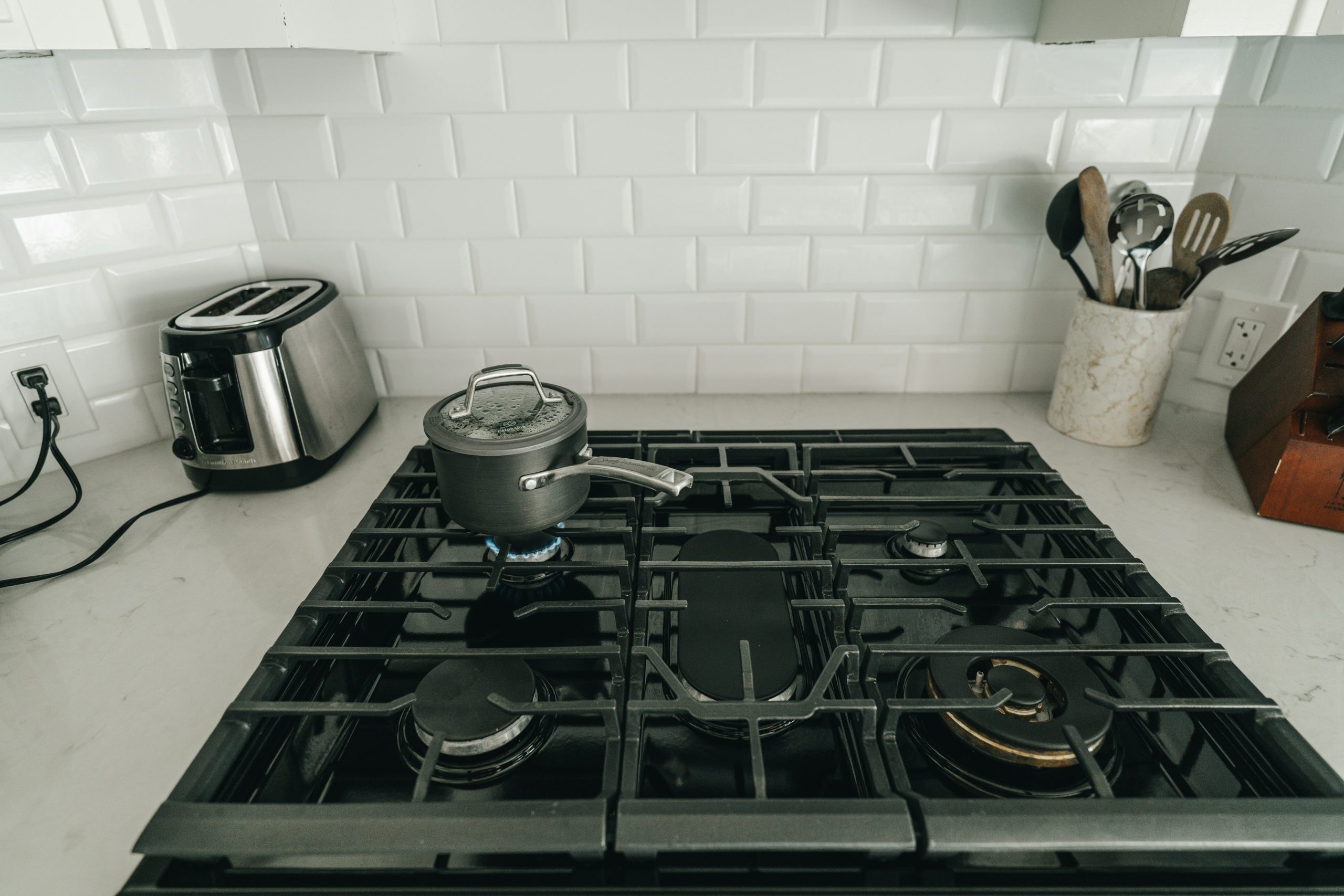
But traditional ceramic and stoneware inserts are designed for controlled heating inside the appliance, not necessarily for direct contact with a stovetop burner.
Concentrated heat can create thermal stress, potentially causing the insert to crack or break.
If the vessel contains hot food, that failure can lead to spills and burns.
Some specialized models do include stovetop-safe inserts, but that capability must be confirmed in the manufacturer’s instructions.
When a recipe calls for browning meat or sautéing vegetables, a regular stovetop skillet is usually the safer choice.
And if an insert is accidentally heated on a burner, turn off the heat, avoid sudden cooling, and do not reuse a damaged vessel.
One simple kitchen rule can prevent an expensive and potentially dangerous mistake: never put a traditional ceramic Crockpot insert directly on a stovetop burner unless the manufacturer explicitly says it is safe.
