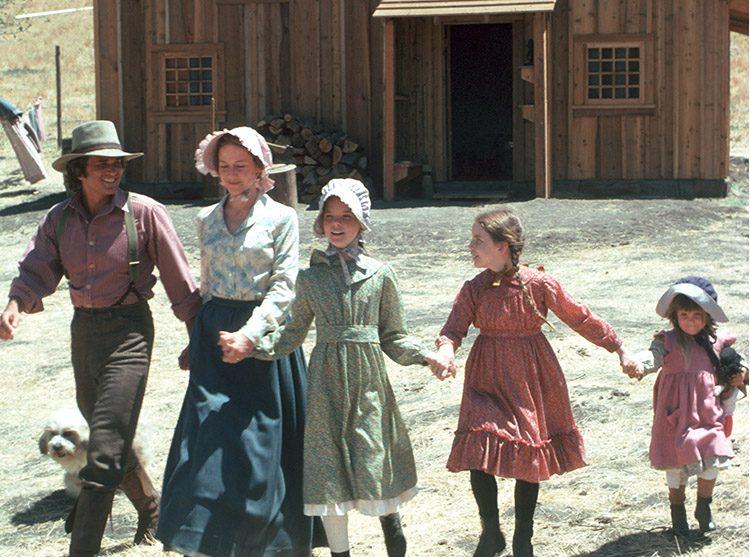
That allowed Nellie’s appearance to remain consistent without requiring the same lengthy styling routine every day.
The wig became so closely associated with the character that many viewers never suspected it wasn’t Arngrim’s natural hair.
It’s an interesting reminder that the seemingly effortless appearance of a television character can require a surprising amount of behind-the-scenes work.
And in Nellie’s case, the hairstyle was almost as memorable as her personality.
3. Colonel Sanders Somehow Found His Way Into Walnut Grove
One of the show’s strangest historical jokes appears in the eighth-season episode “Wave of the Future.”
The episode focuses on Harriet Oleson’s enthusiasm for turning Nellie’s Restaurant into a larger commercial enterprise.
Harriet becomes interested in the possibilities of franchising, convinced that the idea could transform the family’s business fortunes.
The storyline is already an amusing contrast with the small-town setting.
But then the episode introduces a figure associated with a much later era of American food history.
Colonel Sanders.
Yes, the familiar figure connected with Kentucky Fried Chicken.
The historical problem is obvious.
Harland Sanders was born in 1890, while the series is primarily set in the late nineteenth century, beginning well before his birth.
The famous Kentucky Fried Chicken business also belongs to the twentieth century.
So how could someone associated with that business appear in a story set so much earlier?
The answer is that the sequence is best understood as a deliberate comic anachronism rather than an accidental historical oversight.
The writers were having fun with the idea of restaurant franchising.
Viewers familiar with Colonel Sanders would recognize the joke immediately.
And that makes the scene particularly entertaining today.
In a show generally devoted to old-fashioned frontier values, a recognizable modern fast-food reference feels wonderfully out of place.
4. The Minnesota Winters Sometimes Looked Suspiciously Warm
If you’ve ever spent a winter in Minnesota, you know that the cold is not something to take lightly.
Snow, freezing temperatures, and biting winds are part of the region’s history.
The Ingalls family lived in a world where preparing for winter could be a matter of survival.
So viewers might reasonably expect characters to wear substantial winter clothing whenever a story takes place outdoors during the coldest months.
Yet some scenes show characters dressed in ways that seem surprisingly light for the conditions they’re supposed to be experiencing.
A frequently discussed example is the television movie “Bless All the Dear Children.”
The story involves a Christmas-season visit to Minneapolis and a frightening disappearance.
Despite the supposedly cold setting, some outdoor clothing choices don’t convey the severity of a Minnesota winter.
The explanation lies partly in television production.
Although the series depicted the American Midwest, much of it was filmed in Southern California, with additional location work elsewhere.
Actors sometimes had to portray freezing conditions while working in genuinely hot weather.
Heavy coats and layered clothing could make those filming days miserable.
That doesn’t mean every questionable costume choice was intentional.
But it helps explain why a television version of winter could occasionally look much more comfortable than the real thing.
Once you notice it, you may find yourself wondering why everyone isn’t shivering.
5. Caroline Ingalls’ Wardrobe Wasn’t Always Strictly Victorian
Costume designers on historical television dramas face a difficult balancing act.
They need clothing that suggests a particular period.
But they also have to accommodate modern actors, filming schedules, movement, comfort, and the visual expectations of television audiences.
Little House on the Prairie generally created a convincing frontier atmosphere.
The dresses, aprons, bonnets, boots, and work clothes helped make Walnut Grove feel like a community from another century.
But not every detail was perfectly authentic.
