
For many families, losing a favorite restaurant doesn’t feel quite the same as watching an ordinary business close.
The sign may disappear.
The building may change hands.
The menu may become a memory.
But what people remember years later often has surprisingly little to do with the food itself.
They remember where they sat.
Who was sitting across from them.
The birthday dinners.
The conversations after work.
The grandparents who always ordered the same thing.
The children who once needed booster seats and eventually became adults bringing families of their own.
That’s why the return of a familiar restaurant chain can stir emotions that go well beyond curiosity about what’s on the menu.
For former customers, a revival can feel like the return of a small piece of their own history.
But bringing back a restaurant from the past presents an unusual challenge:
How do you preserve what people loved without pretending the world hasn’t changed?
A Restaurant Can Become Part of a Family’s Story
Most meals aren’t historic events.
That’s precisely what can make them meaningful.
A family doesn’t necessarily remember a restaurant because something extraordinary happened there.
They remember because they went there repeatedly.
Friday evenings.
Sunday lunches.
Birthdays.
Graduations.
After church.
Before a movie.
On the way home from somewhere else.
Those ordinary visits accumulate.
Eventually, the restaurant stops being merely a place that serves food.
It becomes a backdrop to life.
Years later, a person may forget exactly what they ordered but remember who was sitting beside them.
That’s What Disappears When a Familiar Chain Closes
When a longtime restaurant disappears, customers obviously lose access to the menu.
But they can also lose a ritual.
There is no longer a familiar place where everyone knows what to expect.
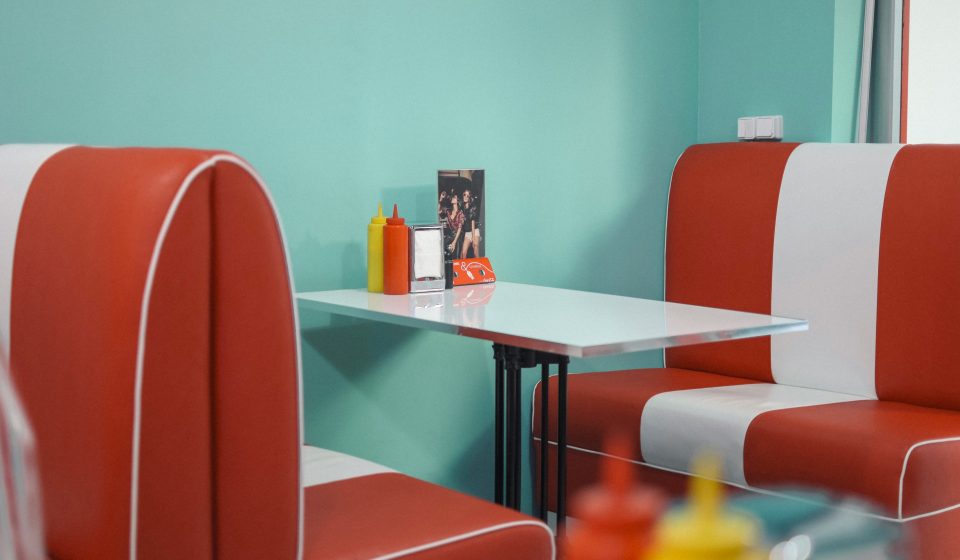
No booth everyone instinctively chooses.
No favorite dish ordered without opening the menu.
No familiar entrance associated with years of family outings.
People find new restaurants.
Life continues.
But the old place can remain surprisingly vivid in memory.
That’s why news of a revival can generate such intense nostalgia.
The New Version Can’t Simply Pretend It’s Still the Past
Nostalgia is powerful.
It’s also dangerous for a revived brand.
Customers may remember a restaurant exactly as it existed decades earlier and expect to walk through the door into a preserved version of their childhood.
But restaurants don’t operate in a time capsule.
Tastes change.
Dining habits change.
Ingredient expectations change.
Interior design changes.
Competition changes.
And the economics of operating a restaurant change.
A successful comeback therefore has to accomplish two seemingly contradictory things.
It needs to feel familiar.
And it needs to feel current.
Updated Interiors Are Part of That Balance
A restaurant remembered fondly from decades ago may have once felt warm and welcoming.
Recreating every design detail exactly, however, could simply make the new location feel dated.
That’s why a thoughtful revival can preserve the emotional character of the old restaurant while updating the physical environment.
The goal isn’t necessarily to make returning guests say:
“Nothing has changed.”
A better reaction might be:
“This feels familiar, but better suited to today.”
That distinction matters.
Nostalgia can open the door.
Comfort has to keep people inside.
The Food Has to Evolve Too
The same principle applies to the menu.
A famous name can persuade someone to visit once.
It can’t guarantee a second visit.
Customers today have enormous choice.
They also pay more attention to freshness, ingredients, preparation and value.
A revival built entirely around memories risks becoming a novelty.
People may visit to see the old name again, take a photograph and reminisce about childhood.
Then what?
For a restaurant to become part of people’s routines again, the food has to work in the present.
Fresher Dishes Can Respect the Past Without Copying It
Updating a restaurant doesn’t necessarily mean abandoning everything people remember.
Familiarity can remain in flavors, service and the overall experience.
But dishes can be refreshed.
Ingredients can be sourced more thoughtfully.
Preparation can reflect modern expectations.
Presentation can change.
Some longtime favorites may remain recognizable while other parts of the menu evolve.
That’s not necessarily a rejection of the original restaurant.
It may be the only way to give it a meaningful second life.
Nostalgia Alone Isn’t a Business Model
A comeback inevitably attracts former customers.
People want to see what happened to the place they remember.
They want to compare.
They want to tell their children:
“We used to come here.”
That first wave can be powerful.
But eventually, curiosity fades.
At that point, the restaurant has to survive on the same fundamentals as any other restaurant:
Food people want to eat.
Service that makes them feel welcome.
Prices customers consider worthwhile.
A comfortable environment.
And enough consistency that people choose to return.
A memory can generate a reservation.
A good experience generates another one.
Hospitality May Be the Most Important Thing to Preserve
Recipes can change.
Furniture can change.
Logos can be redesigned.
But hospitality is harder to replace.
People often remember how a restaurant made them feel long after they’ve forgotten the exact meal.
Were they rushed?
Were children welcome?
Could a family sit comfortably and talk?
Did dinner feel like an occasion even when there wasn’t anything special to celebrate?
Those qualities aren’t tied to a particular decade.
They remain relevant now.
And they may be the strongest bridge between the old restaurant and its new version.
“Sit Down and Stay Awhile”
That idea feels increasingly unusual.
Much of modern eating is built around speed.
Order from an app.
Pick it up.
Use the drive-thru.
Have it delivered.
Eat at a desk.
Eat in the car.
Eat while answering messages.
None of those things is inherently bad.
Convenience has genuine value.
But convenience and hospitality provide different experiences.
Sometimes people don’t need dinner faster.
They need somewhere they aren’t expected to hurry.
An Unhurried Meal Has Become Its Own Kind of Luxury
Not necessarily an expensive luxury.
A human one.
Sitting across from someone for an hour without rushing to the next obligation can feel increasingly rare.
Phones buzz.
Work follows people home.
Children have schedules.
Parents have schedules.
Even leisure becomes scheduled.
A traditional sit-down restaurant can create a small boundary around that noise.
For a little while, the task is simple.
Sit.
Eat.
Talk.
Listen.
Maybe order dessert.
That’s What Families May Actually Be Returning For
The food matters.
Of course it does.
But ask someone about a restaurant they loved 30 years ago and notice what happens.
The conversation often shifts quickly from food to people.
“My dad always took us there.”
“My grandmother loved that place.”
“We went there after every school event.”
“That was where my husband and I used to eat when we were dating.”
“My kids loved going there.”
Those statements reveal what restaurant nostalgia is really about.
The building became attached to someone.
Food Is Remarkably Good at Holding Memories
Taste and smell can bring old experiences back with surprising force.
A familiar dish can remind someone of a person they haven’t thought about in years.
A particular dessert can return them to childhood.
Even the sound of plates, glasses and conversation inside a dining room can feel familiar.
That’s why restaurant revivals carry expectations that a completely new restaurant doesn’t.
Customers aren’t arriving with a blank slate.
They’re carrying memories through the door.
But Those Memories Can Be Impossible to Reproduce Exactly
Suppose someone remembers visiting the original restaurant with their parents in 1985.
They return today hoping to experience the same feeling.
That is impossible in the literal sense.
The restaurant may return.
The person they were in 1985 cannot.
Their parents may be older.
Their children may now be grown.
Some people who shared those meals may no longer be there at all.
That’s why the smartest revival isn’t necessarily one that promises to transport customers backward.
It gives them somewhere to move forward.
The New Memories Matter More Than Perfect Recreation
Imagine someone returning to a revived restaurant they visited as a child.
This time, they’re bringing their own children.
They point out something familiar.
They tell a story about a grandparent.
The kids listen—or perhaps pretend not to.
Dinner arrives.
Someone laughs.
A new memory attaches itself to the old one.
That’s when a revival becomes more than nostalgia.
The restaurant is no longer simply preserving history.
It’s participating in another generation’s life.
Familiar Doesn’t Have to Mean Frozen in Time
This is where many comeback concepts can struggle.
Change too much and longtime customers may wonder why the old name was revived at all.
Change too little and younger diners may see nothing relevant to them.
The middle ground is harder.
Preserve the personality.
Modernize the execution.
Keep the hospitality.
Improve what needs improving.
Respect recognizable traditions without becoming trapped by them.
The result shouldn’t feel like a museum.
It should feel like a living restaurant with a history.
Younger Customers Have to Want to Come Too
A revival can’t depend forever on people who remember the original.
Eventually, it needs customers with no memories of it at all.
A 25-year-old diner may not care that their parents ate there decades ago.
The restaurant has to earn that person’s loyalty independently.
Was the meal good?
Was the atmosphere comfortable?
Was the service attentive?
Would they bring friends?
Would they come back?
That’s the real test of whether a comeback has succeeded.
When people without nostalgia start creating nostalgia of their own.
There Is Still a Place for the Family Table
The restaurant industry has transformed dramatically.
Delivery platforms and fast-casual concepts have made food easier to access than ever.
But efficiency doesn’t eliminate the desire for connection.
Families still celebrate birthdays.
Couples still go to dinner.
Friends still need somewhere to meet.
Grandparents still want to sit across from grandchildren.
People still want spaces where nobody has to cook or clean and everyone can remain at the table a little longer.
That need hasn’t disappeared.
Ordinary Meals Can Become Important Years Later
This may be the most interesting part of the entire idea.
You rarely know which ordinary moments will become important memories.
Nobody sits down for a Tuesday-night dinner thinking:
“I’ll remember this evening 35 years from now.”
But sometimes they do.
Maybe it’s the last dinner with someone before they moved away.
Maybe a child said something hilarious.
Maybe a grandfather told the same story he’d already told 20 times.
Maybe nothing remarkable happened at all.
Everyone was simply there.
Years later, that can be enough.
The Restaurant Was Never Really the Memory
It was the container.
The booth held the family.
The table held the plates.
The building gave everyone somewhere to gather.
The people created the memory.
That’s why restoring a restaurant name doesn’t automatically restore what people lost when it disappeared.
But it can create the conditions for something similar to happen again.
That’s a more realistic—and perhaps more meaningful—promise.
The Comeback Has to Earn Its Future
A famous name provides an advantage.
People already care.
But it also creates pressure.
Returning customers will compare the new experience with memories polished by decades of nostalgia.
That’s an almost impossible standard.
The revival doesn’t need to defeat the memory.
It needs to respect it.
Then it needs to create something good enough to stand independently.
Updated surroundings.
Fresh food.
Thoughtful ingredients.
Warm service.
And enough time around the table to make the visit feel worthwhile.
Maybe That’s Why the Idea Resonates Now
Modern life offers extraordinary convenience.
But convenience can make experiences feel interchangeable.
One order arrives.
Then another.
One meal disappears into the next.
A sit-down restaurant built around hospitality offers something less efficient but potentially more memorable.
It asks people to stop moving.
To face one another.
To stay awhile.
There is something almost old-fashioned about that.
Maybe that’s exactly why it feels valuable again.
A Return Without Pretending Nothing Changed
The strongest part of this revival isn’t necessarily the attempt to bring back yesterday.
It’s the acknowledgment that yesterday is gone.
Customers have changed.
Families have changed.
Food culture has changed.
The restaurant has to change too.
But some things don’t need reinvention.
A welcoming table.
A satisfying meal.
Someone asking how your day went.
A family lingering after the plates are cleared.
Those experiences don’t belong to any particular decade.
Final Thoughts
When a beloved restaurant chain disappears, what people miss isn’t always the menu.
Sometimes they miss the ritual.
The birthdays.
The conversations.
The familiar booth.
The grandparents.
The children who are adults now.
The feeling of having somewhere everyone could meet.
A thoughtful revival can’t recreate those moments exactly, and it shouldn’t pretend that it can.
Instead, it can offer something more useful:
A place where new ones might happen.
Nostalgia may persuade former customers to walk through the door once.
Updated food and surroundings may show them that the restaurant has moved forward.
But hospitality will determine whether they return.
Because ultimately, the promise isn’t really about bringing the past back.
It’s about giving people a table, asking them to sit down and stay awhile, and allowing an ordinary meal to become tomorrow’s memory.
What restaurant from your childhood would you bring back if you had the chance?