They Left Me Stranded in the Desert for Internet Views—That Was the Moment I Took My Life Back

The cameras were still recording when they left me behind.
That is the part I remember most clearly.
Not the dust.
Not the heat rising from the pavement.
Not even the laughter.
The cameras.
They wanted my reaction.
They wanted fear.
Anger.
Tears.
Anything dramatic enough to turn into content.
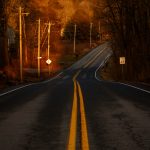
Then the vehicle disappeared down the highway, leaving me alone in the desert without water or a phone.
For a few seconds, I simply stood there.
I had spent so much time being watched that I had almost forgotten what it felt like to make a decision nobody else controlled.
Then I started walking.
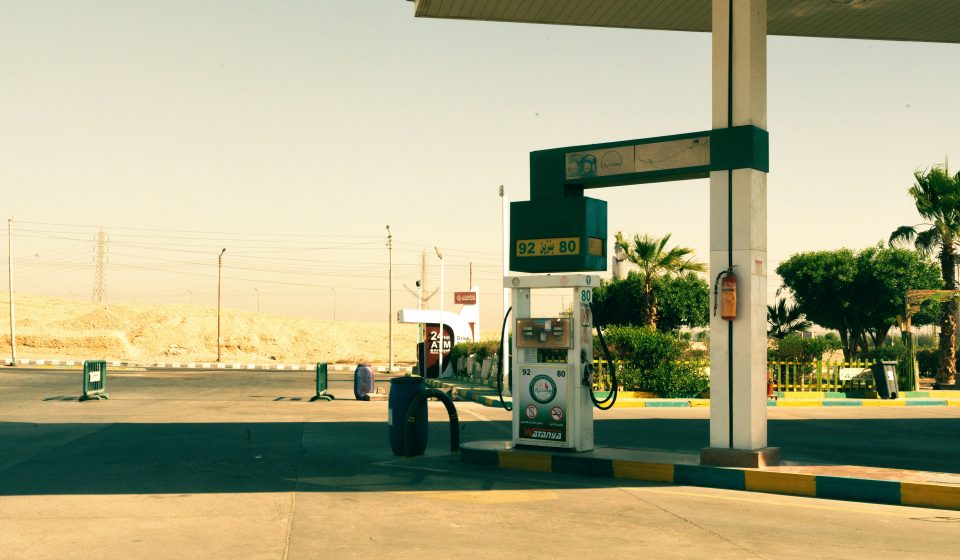
I didn’t know it yet, but those first steps away from that empty stretch of road would eventually take me somewhere far more important than the nearest gas station.
They would take me back to myself.
I Had Become Content Instead of a Person
There is a strange difference between being seen and being cared about.
I didn’t understand that difference until much later.
The people behind those cameras saw everything.
They watched my face.
Recorded my reactions.
Waited for moments of embarrassment or fear.
But being watched constantly didn’t mean anyone was actually paying attention to what I needed.
That afternoon made the truth impossible to ignore.
I wasn’t being treated like a wife.
I was being treated like material.
Something that could produce another reaction.
Another clip.
Another round of attention.
And apparently, even my safety could become part of the entertainment.
There Was No Water
No phone.
No easy way to call someone.
Just highway, heat and distance.
I could have sat on the pavement waiting for the same people who had left me to decide when the joke was over.
I didn’t.
I stood up.
I extended my thumb when vehicles approached.
And I kept moving.
It wasn’t a grand declaration of independence.
At that moment, it was survival.
But looking back, I understand that it was also the first decision in a long time that belonged completely to me.
Someone Finally Stopped
A vehicle pulled over.
That simple act changed the direction of my life.
The ride carried me away from that isolated stretch of highway.
But emotionally, I was traveling much farther.
I was leaving behind a life where other people decided what parts of me belonged to the public.
I didn’t have a perfect plan.
I didn’t know what the next month would look like.
I only knew one thing:
I couldn’t return to the same life and pretend what happened was normal.
Aunt May Gave Me Somewhere to Go
Eventually, I found myself in Aunt May’s quiet town.
It was the opposite of the world I’d been living in.
Nothing there seemed designed for an audience.
Nobody appeared to be waiting for the next dramatic moment.
Life simply happened.
People worked.
Talked.
Ate breakfast.
Went home.
At first, the quiet felt strange.
Then it felt safe.
I Had Forgotten What Privacy Felt Like
When you’ve spent too much time around people who turn everything into a performance, ordinary privacy can feel almost suspicious.
Nobody asked me to repeat something because the camera hadn’t caught it.
Nobody told me to react again.
Nobody needed me to be funnier, angrier or more emotional.
For the first time in what felt like forever, I could experience something without wondering how it would look to strangers.
That shouldn’t have felt revolutionary.
It did.
Then Came Martha’s Diner
The diner wasn’t glamorous.
That was exactly why I loved it.
People came in hungry.
They ordered.
They talked.
Someone refilled the coffee.
Someone wiped down the counter.
Someone complained about the weather.
Someone laughed too loudly at the same joke they’d probably told a dozen times.
It was ordinary.
And ordinary had become precious to me.
Kindness Didn’t Come With Conditions
That was what surprised me most.
At Martha’s Diner, someone could slide a fresh cup of coffee toward me without expecting anything in return.
People asked questions and actually waited for the answer.
There was no camera positioned to capture the conversation.
No hidden audience.
No demand that I turn whatever I felt into entertainment.
The kindness was almost boring.
And that made it beautiful.
I Started Working Again
Work gave structure to my days.
But it gave me something else too.
Choice.
I could show up.
Do my job.
Speak when I wanted to speak.
Go home when the shift ended.
Nobody owned the rest of my evening.
Nobody needed a version of me manufactured for strangers.
Slowly, I began understanding how much of myself I’d surrendered before the desert.
Trust Returned in Small Pieces
People sometimes imagine recovery as a dramatic transformation.
Mine wasn’t.
It happened through repetition.
A coffee refill.
Someone remembering my name.
A person asking whether I was okay without immediately demanding an explanation.
A shift ending exactly when it was supposed to.
A promise being kept.
Then another.
Trust didn’t return because somebody gave me a speech about how I could trust again.
It returned because people behaved consistently enough that I no longer had to question every gesture.
Then Grant Appeared
Grant didn’t enter my life looking like a rescuer.
He looked like someone trying to survive.
Battered.
Hunted.
Holding onto life with whatever strength he still had.
Seeing him affected me more than I expected.
Maybe because I recognized something.
Not the circumstances.
The determination.
Survival isn’t always one heroic act.
Sometimes it’s a series of decisions made when you’re exhausted and frightened.
Stand up.
Take another step.
Accept help.
Tell the truth.
Make it through tonight.
Then decide again tomorrow.
Grant understood that.
So did I.
He Didn’t Save Me
That matters.
It would be easy to turn what happened afterward into a story where another man arrived and repaired everything the first people had broken.
That’s not what happened.
By the time Grant entered my life, I had already begun rebuilding it.
I had left the highway.
Accepted the ride.
Found shelter.
Started working.
Created boundaries.
Those decisions were mine.
Grant could walk beside me.
He couldn’t make them for me.
And strangely, that made his presence more meaningful.
Companionship Felt Different When It Wasn’t Control
I began to understand that being close to someone didn’t have to mean surrendering myself.
Care didn’t require ownership.
Affection didn’t require access to every private moment.
And love—if that was eventually what grew between us—didn’t need an audience.
Grant’s presence wasn’t important because he completed my life.
It mattered because I could remain myself while he was in it.
That distinction would have been impossible for the woman abandoned beside the highway to understand.
Now it felt essential.
But the Past Wasn’t Finished With Me
Leaving didn’t erase what had happened.
There were consequences.
Questions.
And eventually, a courtroom.
I knew there might come a moment when I would have to speak about the worst parts of my experience in front of other people.
The idea terrified me.
Once again, strangers would be watching.
But this time, something was different.
I would decide what to say.
The Courtroom Was Cold
That’s what I remember.
The sterile room.
The controlled atmosphere.
The sense that every word mattered.
When it was time to testify, I took the stand.
For a moment, I thought about the cameras in the desert.
Back then, other people had controlled the frame.
They decided what the audience saw.
They chose what parts of my fear became entertainment.
Now I had my own voice.
No edit.
No caption.
No manufactured reaction.
Just my account.
I Didn’t Testify Because I Wanted Revenge
Anger was part of what I felt.
I won’t pretend otherwise.
But vengeance wasn’t enough to get me onto that stand.
I spoke because I kept thinking about whoever might come next.
If people could treat me that way and face no resistance, what would stop them from finding another person?
Another target.
Another reaction.
Another piece of content.
I couldn’t control everything that happened after my testimony.
But I could make sure silence wasn’t the reason someone else remained vulnerable.
My Worst Memory Became Evidence
That was difficult to accept.
For a long time, the desert had existed in my mind as something that happened to me.
A humiliation.
A wound.
A moment I wished I could erase.
In court, I used the memory differently.
I described it.
I gave it context.
I allowed it to become part of a record rather than something that existed only inside me.
The memory didn’t disappear.
But its purpose changed.
Taking Back Your Story Doesn’t Mean Changing the Past
I couldn’t make the cameras vanish.
I couldn’t make the laughter unheard.
I couldn’t undo being left without water or a phone.
Freedom didn’t require pretending none of that happened.
It meant those events no longer controlled every decision I made afterward.
That realization took much longer than the ride out of the desert.
But eventually, it became the foundation of everything else.
Being Watched Isn’t the Same as Being Seen
This may have been the biggest lesson.
The people with cameras watched me constantly.
Yet they didn’t truly see me.
They saw reactions.
Engagement.
Entertainment.
Potential attention.
At Aunt May’s.
At Martha’s Diner.
With the people who slowly became part of my new life.
There was far less attention.
But there was far more care.
Someone remembering how you take your coffee can sometimes make you feel more visible than thousands of strangers watching a video of you.
Attention Can Be Loud and Still Be Empty
Public attention can create the illusion of importance.
Numbers go up.
People comment.
Everyone seems to know what happened.
But none of that guarantees that anyone cares about the human being at the center of it.
I had experienced visibility without safety.
Attention without dignity.
An audience without support.
The diner showed me the opposite.
Small gestures.
Few witnesses.
No spectacle.
Real concern.
Martha’s Diner Became More Than a Job
It became evidence that life could operate differently.
Trust could be boring.
Kindness could be ordinary.
A conversation could remain private.
People could ask a question because they genuinely wanted to know the answer.
I didn’t need dramatic promises.
I needed consistency.
That’s what helped rebuild me.
Boundaries Became Nonnegotiable
Before, I had confused access with intimacy.
If someone loved me, I thought perhaps they deserved to know everything.
To see everything.
To share everything.
I no longer believed that.
Privacy isn’t dishonesty.
A boundary isn’t rejection.
And saying “no” doesn’t mean you owe someone a better explanation.
Those lessons changed the way I approached every relationship afterward.
Including my relationship with Grant.
Grant Walked Out Beside Me
After I testified, we stepped outside.
The daylight felt warmer than I expected.
Grant was beside me.
Not ahead of me.
Not pulling me somewhere.
Beside me.
That detail mattered.
The future wasn’t a rescue fantasy where everything painful disappeared because the right person had finally arrived.
My past still existed.
So did his.
But neither of us had to let those histories dictate every chapter that followed.
I Had Already Saved Myself in the Desert
It took me a long time to understand that.
The ride helped.
Aunt May helped.
The diner helped.
The people who treated me with dignity helped.
Grant helped.
But there had been one moment before all of them.
I stood up.
I extended my thumb.
And I started moving.
That was where the new life began.
Not because I knew exactly where I was going.
Because I finally decided I wasn’t going to remain where somebody else had left me.
Final Thoughts
They wanted a reaction.
What they created instead was an ending they couldn’t control.
Being abandoned in the desert without water or a phone could have become the moment that permanently defined me.
Instead, it became the moment I began choosing for myself again.
The ride that stopped for me carried me toward Aunt May’s town.
Martha’s Diner showed me what ordinary kindness looked like.
Work gave me independence.
Grant reminded me that survival is built from choices.
And the courtroom eventually gave me the opportunity to use my own voice instead of allowing others to frame my story for me.
I didn’t testify because I believed revenge could repair what happened.
I testified because silence might leave someone else exposed to the same kind of harm.
When Grant and I eventually stepped outside together, I finally understood what freedom meant.
It wasn’t forgetting.
It wasn’t pretending.
It wasn’t finding someone else to rescue me.
It was knowing that the worst thing someone had done to me no longer had the authority to decide how my story ended.
Sometimes reclaiming your life doesn’t begin with a dramatic victory. Sometimes it begins with standing up, taking one step forward, and refusing to stay where someone else left you.
Editor’s note: This is a dramatized fictional narrative presented for storytelling and reflection. The characters, abandonment, alleged misconduct, courtroom proceedings and related events should not be interpreted as verified reporting about identifiable real people or a documented legal case.