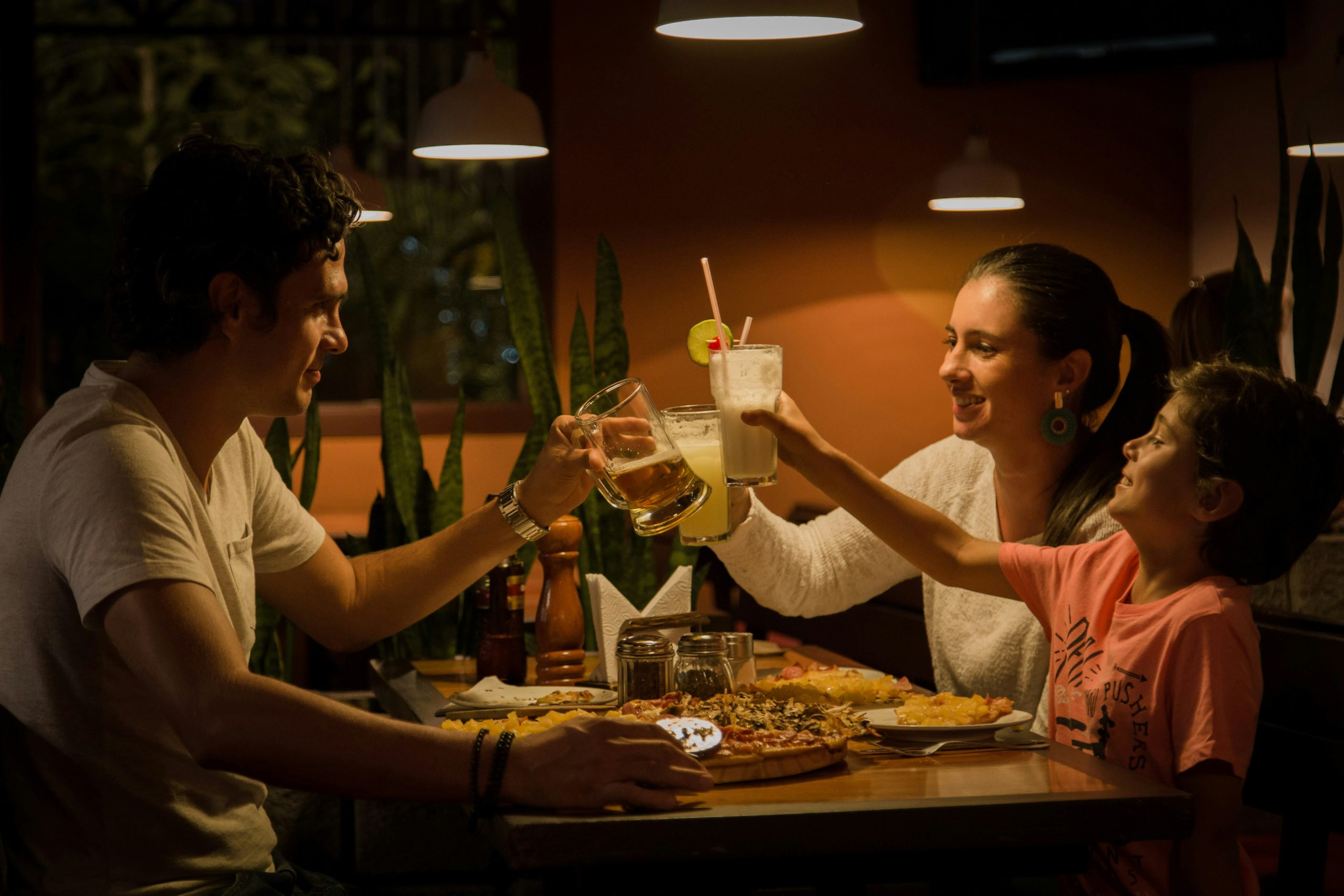
There was a time when going out to eat wasn’t always about speed.
You didn’t order from an app before leaving the house.
Nobody handed you a bag through a window three minutes later.
And dinner wasn’t necessarily something squeezed between work, errands and the next obligation.
For generations of American families, the neighborhood restaurant was something different.
It was a place where children celebrated birthdays.
Where grandparents ordered another cup of coffee.
Where families slid into familiar booths and stayed long after the plates had been cleared.
Those restaurants weren’t always fancy.
Often, that was precisely why people loved them.
And as some traditional dining concepts are revived or reinvented, their greatest challenge isn’t simply recreating an old menu.
It’s recreating a feeling.
It Was Never Just About the Food
Ask someone about a restaurant they loved decades ago and something interesting often happens.
They don’t begin with the ingredients.
They remember the booth.
The waitress who knew their order.
The jukebox.
The smell when they walked through the door.
The Sunday afternoons with their parents.
The birthday dinner when everyone was still together.
Food becomes attached to memory.
That’s why reopening or reinventing a beloved restaurant can be surprisingly emotional.
People aren’t simply returning for dinner.
They’re returning to a piece of their own lives.
The Restaurants Many Americans Remember
The classic family restaurant occupied an important middle ground.
It wasn’t fast food.
It wasn’t fine dining.
It was somewhere you could bring children without worrying too much about noise.
Somewhere grandparents felt comfortable.
Somewhere a family could afford to sit down together without turning dinner into a major event.
The menu was usually familiar.
Burgers.
Sandwiches.
Breakfast plates.
Soups.
Salads.
Coffee.
Dessert.
Nothing necessarily revolutionary.
But reliability was part of the appeal.
You knew what you were getting.
Then Dining Started Changing
Over time, American eating habits changed dramatically.
Drive-thrus became increasingly convenient.
Delivery apps made it possible to order almost anything without leaving home.
Fast-casual restaurants reduced the time between ordering and eating.
Online ordering removed even more friction.
For busy families, those changes offered obvious benefits.
But convenience came with a tradeoff.
Eating became easier to fit into a schedule.
It also became easier to treat meals as transactions rather than occasions.
Order.
Pick up.
Eat.
Move on.
That’s What the Old Family Restaurant Offered
A traditional sit-down restaurant gave people permission to stay.
You could finish dinner and continue talking.
Someone might order dessert.
Someone else might ask for another coffee.
The children became restless.
The adults kept talking anyway.
Nothing extraordinary had to happen.
That was the point.
These ordinary evenings accumulated into memories.
Years later, people may forget what they ordered.
They remember who was sitting across from them.
Bringing That Experience Back Isn’t Simple
A restaurant trying to capture that atmosphere today can’t simply recreate a dining room from 1985 and expect everything to work.
Customers have changed.
Expectations have changed.
Food costs have changed.
Dietary preferences have changed.
Technology has changed.
A successful revival therefore has to balance two things that can easily conflict:
nostalgia and relevance.
Change too much and longtime customers complain that the place they loved has disappeared.
Change too little and younger customers may see nothing worth returning for.
Keep the Feeling, Update the Details
That’s why the smartest revivals preserve the emotional experience rather than treating every old detail as untouchable.
The dining room can become brighter.
Ingredients can improve.
Menus can become easier to navigate.
Ordering and payment can become more convenient.
Health-conscious choices can sit beside traditional comfort food.
But the fundamental experience can remain familiar.
