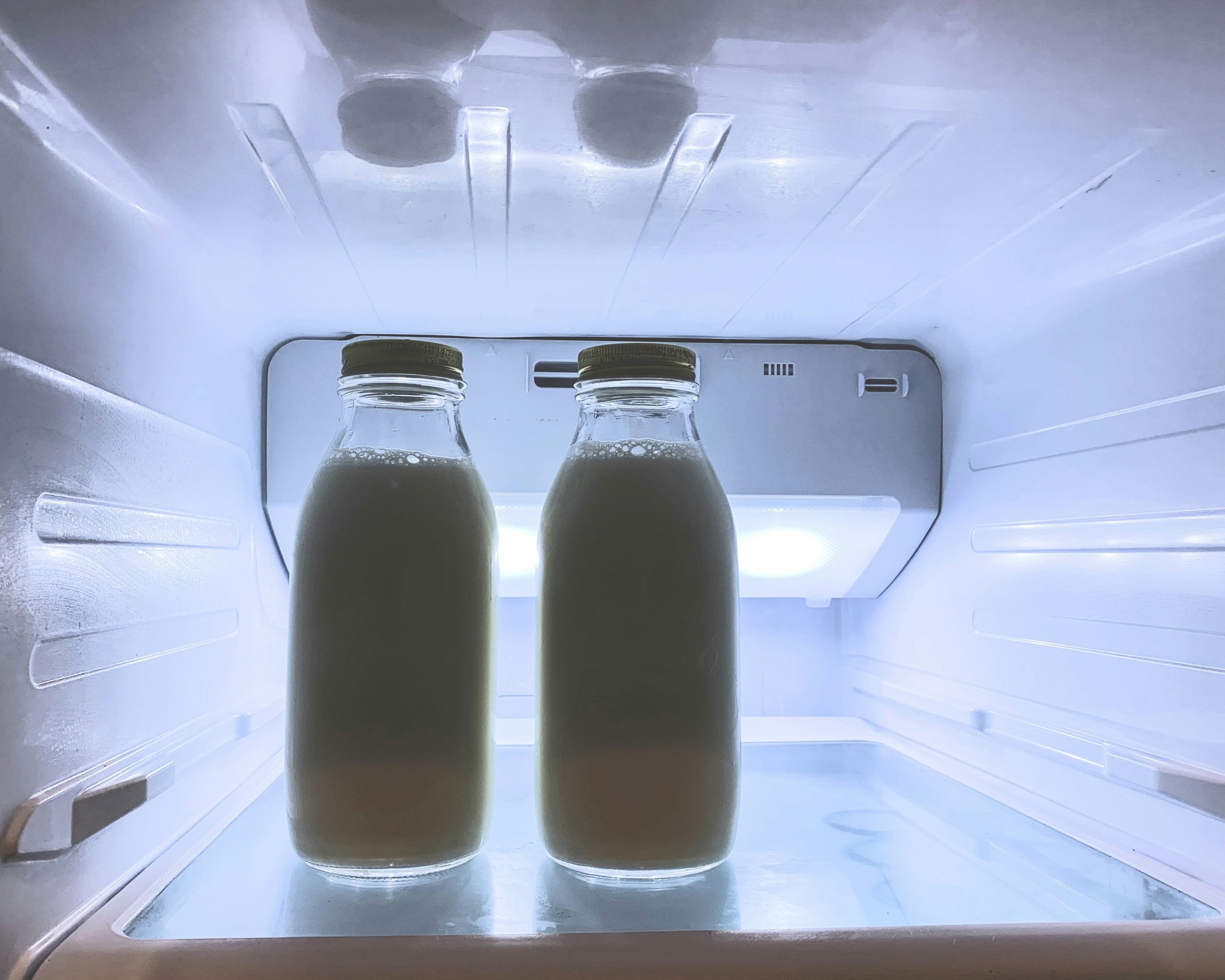
If you’ve ever poured spoiled milk down the drain and thought about the money going with it, there’s a simple kitchen trick you may have overlooked:
You can freeze milk.
For households that buy milk in bulk, take advantage of grocery sales, or simply don’t finish a container before its use-by date, freezing can be an easy way to reduce waste.
But there’s one important thing you should know before putting a full jug straight into the freezer.
Milk expands as it freezes.
That means a little preparation can make the difference between a convenient money-saving trick and a damaged container.
Yes, Milk Can Be Frozen
Freezing milk doesn’t require any special equipment.
You can freeze it in its original plastic container, provided the container is suitable and you leave enough room for expansion.
The easiest mistake is taking an unopened, completely full container and placing it directly in the freezer.
As the liquid freezes, it expands.
If there isn’t enough room inside the container, pressure can build.
A simple solution is to remove some milk before freezing.
For a large, nearly full jug, pouring out roughly a cup can create additional headspace, although the exact amount needed will depend on the container.
Then close the lid securely before freezing.
Be Careful With Glass Containers
Glass requires more caution.
Liquid expansion during freezing can potentially crack an unsuitable or overfilled glass container.
If you’re transferring milk before freezing, a freezer-safe plastic container can be a simpler option.
Whatever container you choose, leave room at the top.
Don’t fill it completely.
That empty space isn’t wasted.
It’s there to accommodate expansion.
You Don’t Have to Freeze an Entire Jug
Here’s where the trick becomes much more useful.
If you rarely need large quantities of milk, freeze smaller portions instead.
One convenient option is an ice cube tray.
Pour milk into the tray and freeze it.
Once the portions are solid, transfer them to an appropriate freezer container or bag.
Now you can take out only what you need.
That can be especially useful for:
- coffee,
- tea,
- smoothies,
- sauces,
- soups,
- baking,
- and recipes that require only a small amount of milk.
Instead of thawing an entire container, you have individual portions ready when needed.
Label It Before It Goes Into the Freezer
This takes about ten seconds and can save confusion later.
Write the date on the container.
If you’ve transferred the milk from its original packaging, label what it is as well.
A freezer can quickly become a collection of mystery containers.
Dating frozen foods makes it much easier to rotate them and use older items first.
For best quality, frozen milk is generally better used within a few months rather than forgotten indefinitely at the back of the freezer.
What Happens to Milk When It Freezes?
Don’t panic if thawed milk looks a little strange.
Freezing can cause separation.
Milk contains water along with fat, proteins and other components.
After freezing and thawing, those components may not look exactly as uniform as they did before.
You may notice a slightly grainier appearance or a change in texture.
That doesn’t automatically mean the milk has spoiled.
Often, it simply needs to be mixed again.
Give It a Good Shake
After the milk has completely thawed, shake the container thoroughly.
This can help redistribute components that separated during freezing.
The texture may still be slightly different from fresh milk.
Some people barely notice.
Others notice immediately, especially when drinking it plain.
That’s one reason thawed milk can be particularly useful for cooking and baking.
A minor texture change is much less noticeable when the milk becomes part of a recipe.
The Refrigerator Is the Place to Thaw It
Don’t leave a frozen jug sitting on the kitchen counter all day to speed things up.
