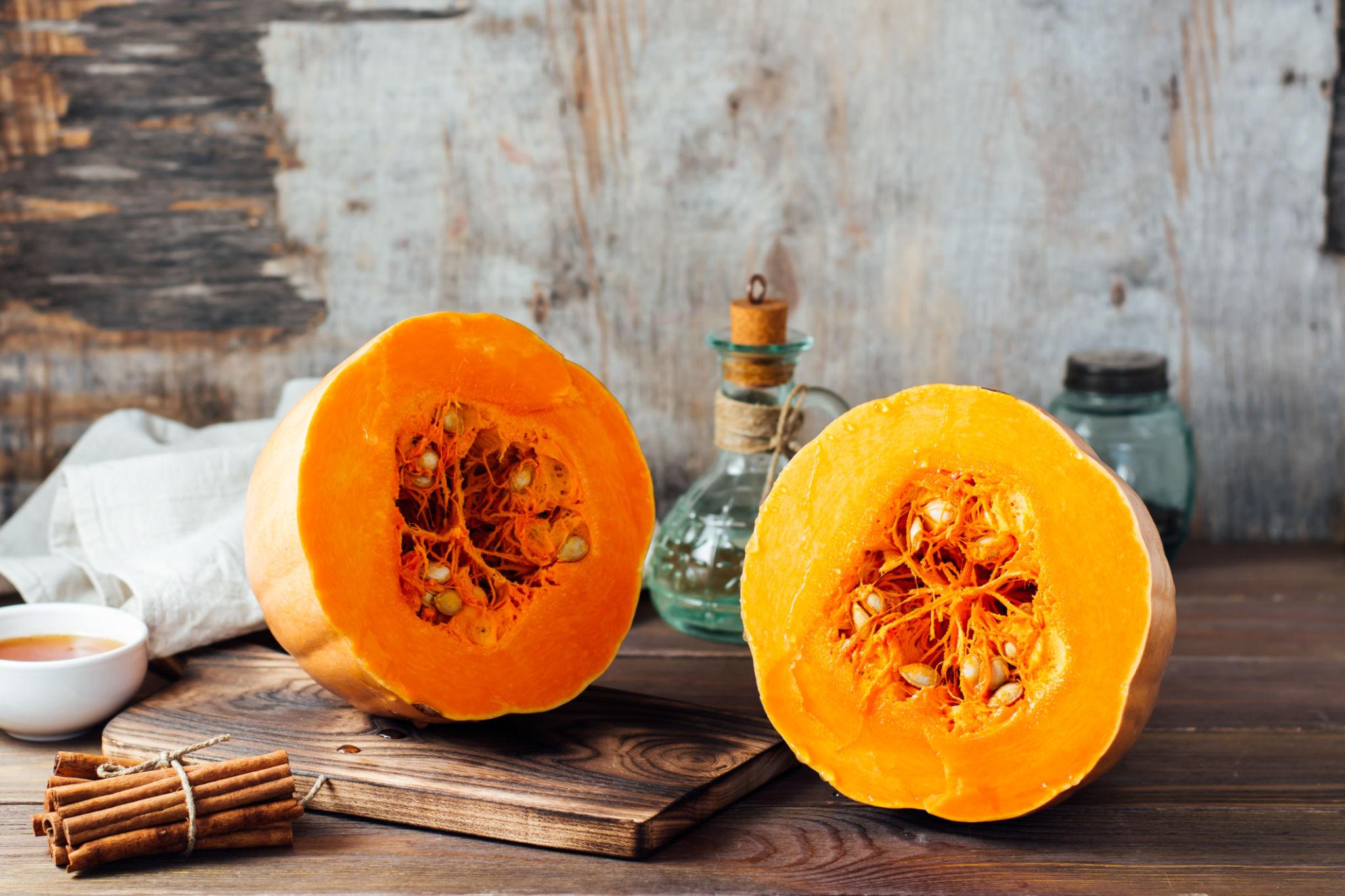
Every fall, millions of American families bring pumpkins into their kitchens.
Some carve them for Halloween.
Others roast them, turn them into soup, or use them to prepare the pumpkin pies that have become a Thanksgiving tradition.
Ask most people what a pumpkin is, and they’ll probably give you a simple answer.
It’s a vegetable.
After all, pumpkins are commonly displayed alongside squash and other vegetables at grocery stores.
They’re used in savory dishes.
And they certainly don’t look much like strawberries, blueberries, or raspberries.
But according to botany, that familiar answer isn’t quite right.
A pumpkin is actually a fruit. And even more surprisingly, it’s a specialized type of berry.
Yes, a berry.
The same scientific category that includes some foods you might never expect.
And the explanation has nothing to do with how sweet a pumpkin tastes.
Why Pumpkin Is Technically a Fruit
In everyday conversation, people usually divide produce into fruits and vegetables based on flavor.
Sweet foods are often called fruits.
Savory foods are usually treated as vegetables.
But botanists use a different system.
In botanical terms, a fruit is a mature structure that develops from the ovary of a flowering plant and typically contains seeds.
That definition includes many familiar foods.
Apples are fruits.
Peaches are fruits.
Tomatoes are fruits.
And pumpkins are fruits, too.
When a pumpkin plant produces flowers, successful pollination can lead to the development of a pumpkin from the flower’s ovary.
As the pumpkin matures, its seeds develop inside.
Those characteristics are what make it a fruit.
Its size, color, and flavor don’t change that classification.
The Surprising Reason Pumpkin Is a Berry
This is where things become particularly interesting.
In everyday language, the word berry usually brings to mind small, juicy foods.
Blueberries.
Blackberries.
Raspberries.
Maybe strawberries.
But botanists don’t classify berries based on their size or whether they fit in the palm of your hand.
Instead, they examine how the fruit develops and how its internal structures are arranged.
A pumpkin belongs to a specialized category known as a pepo.
A pepo is a type of botanical berry associated with plants in the gourd family.
It develops from a flower’s ovary and has a firm outer rind surrounding the fleshy interior and seeds.
That tough rind is one of its distinguishing characteristics.
So while a pumpkin may be much larger than the berries people commonly eat, it fits the botanical definition of a specialized berry.
What Exactly Is a Pepo?
The word pepo may sound unfamiliar, but you’ve probably eaten several examples.
Pumpkins belong to the plant family Cucurbitaceae, commonly called the gourd family.
This family includes:
- Pumpkins
- Cucumbers
- Watermelons
- Cantaloupes
- Many other squashes and gourds
These plants produce fruits with characteristic structures that botanists classify as pepos.
The outer layer is typically firm or rind-like.
Inside, the fruit contains fleshy tissue and seeds.
Different species and varieties can look dramatically different.
A cucumber is long and green.
A watermelon can be large, round, and striped.
A pumpkin is often orange and ribbed.
But their botanical relationships help explain why they share certain structural characteristics.
Wait — Does That Mean Watermelon Is a Berry Too?
Yes.
Watermelon is another familiar example of a pepo.
Like pumpkin, it belongs to the gourd family.
Its thick rind surrounds a fleshy interior containing seeds.
Although watermelon tastes much sweeter than many varieties of pumpkin, sweetness isn’t what determines its botanical classification.
The structure and development of the fruit matter more.
This is one reason scientific plant classifications can seem surprising.
Foods that taste very different may be closely related.
And foods that look similar may belong to entirely different botanical categories.
Why Strawberries Aren’t True Botanical Berries
Here’s another unexpected fact.
