Despite their name, strawberries aren’t classified as true botanical berries.
A strawberry is an accessory aggregate fruit.
The small seed-like structures visible on its surface are actually individual fruits called achenes.
The familiar red, fleshy portion develops largely from flower tissue rather than simply from the ovary in the way a true botanical berry does.
Raspberries and blackberries aren’t true botanical berries either.
They’re aggregate fruits composed of many small units called drupelets.
Meanwhile, bananas and tomatoes are examples of botanical berries.
It’s a reminder that everyday food names and scientific classifications don’t always match.
So Why Do We Call Pumpkin a Vegetable?
Because the kitchen follows different rules from botany.
Culinary categories generally reflect how foods taste, how they’re prepared, and how they’re traditionally served.
Pumpkin is commonly treated as a vegetable because it can be used in savory dishes.
It can be roasted.
Added to soups.
Mixed into stews.
Or served alongside other vegetables.
But pumpkin is also used in sweet foods.
Pumpkin pie is one of the most recognizable examples.
Pumpkin bread, muffins, and other desserts are popular during the fall.
That versatility makes pumpkin unusual only if we expect every food to fit neatly into one category.
In reality, there’s no contradiction.
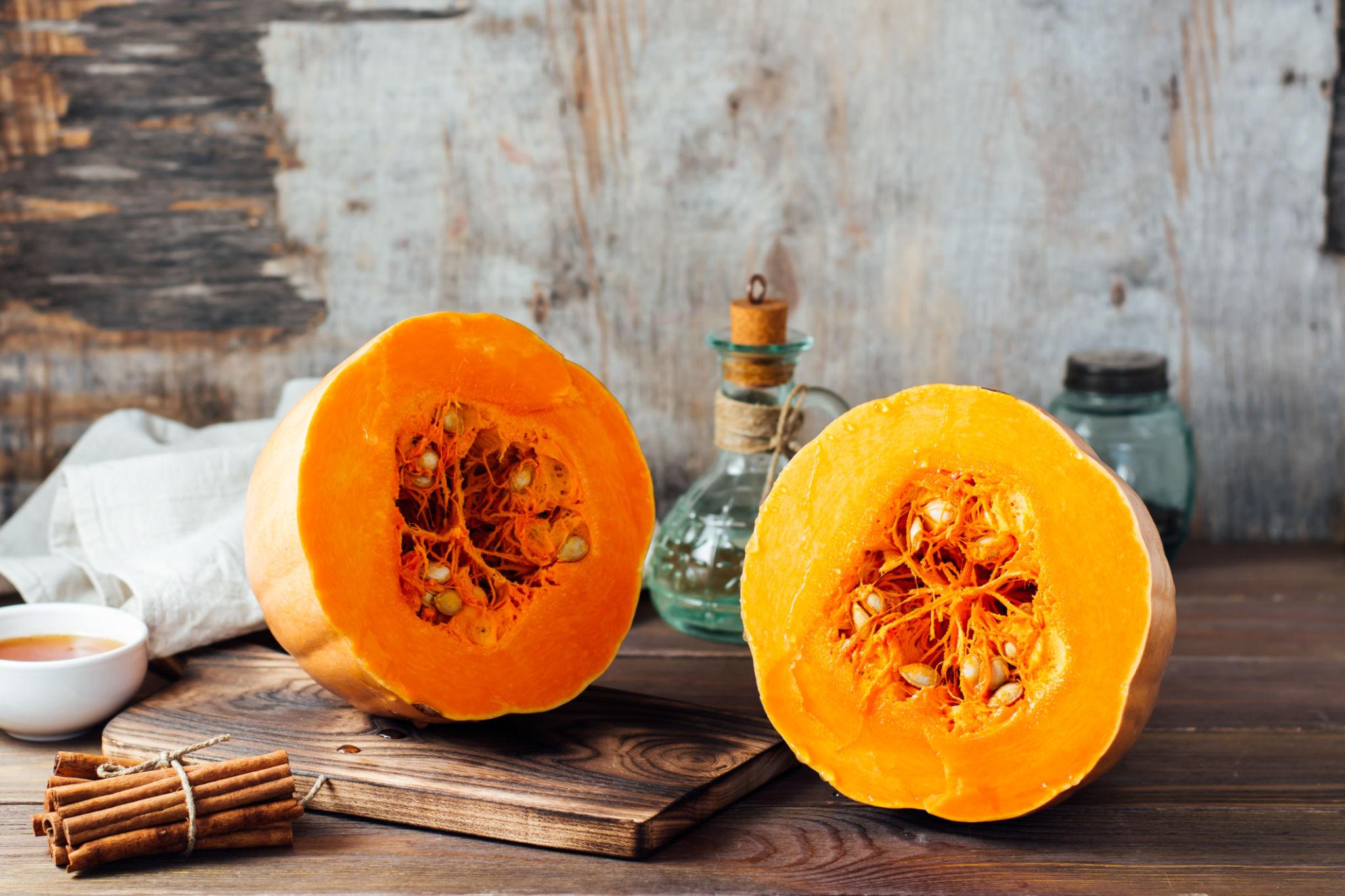
Pumpkin is a botanical fruit and a culinary vegetable.
Both descriptions can be appropriate, depending on the context.
The Connection Between Pumpkins and American Traditions
Pumpkins have a particularly strong association with autumn in the United States.
As temperatures begin to cool, pumpkin displays appear at farms, grocery stores, and roadside stands.
Families visit pumpkin patches.
Children choose pumpkins for carving.
And kitchens fill with the aromas of cinnamon, nutmeg, ginger, and other spices commonly used in pumpkin recipes.
Pumpkin pie has also become closely associated with Thanksgiving.
For many families, these traditions are connected to memories that stretch across generations.
A grandmother’s pie recipe.
A yearly trip to the pumpkin patch.
Or a childhood afternoon spent carving a jack-o’-lantern.
Learning that pumpkin is technically a berry doesn’t change any of those traditions.
It simply adds an unexpected scientific detail to a familiar seasonal favorite.
Are All Pumpkins the Same?
Not exactly.
The word pumpkin is commonly used for certain varieties of winter squash, especially those with rounded shapes and orange skins.
But pumpkins can vary widely.
Some are small and decorative.
Others are grown for cooking.
Some reach enormous sizes.
They can also differ in color, shape, texture, and flavor.
Several cultivated species within the genus Cucurbita produce fruits commonly called pumpkins.
This means that the everyday word doesn’t refer to just one single botanical variety.
The differences matter when choosing a pumpkin for a particular purpose.
A pumpkin selected for carving isn’t necessarily the best choice for making a smooth pie filling.
Why Some Pumpkins Are Better for Cooking
Pumpkins grown for cooking may have flesh that is particularly suitable for roasting, puréeing, or baking.
Other varieties are valued mainly for their appearance.
Large carving pumpkins often have different textures and proportions than smaller varieties commonly marketed for cooking.
That doesn’t automatically mean a carving pumpkin is inedible.
But it may not produce the same results in a recipe.
When buying pumpkin for food, choosing a variety intended for cooking can improve the final dish.
And if you’re using canned pumpkin, check the label to understand what the product contains.
What Makes Pumpkin Nutritious?
Pumpkin can be a useful addition to a balanced diet.
Its orange flesh contains carotenoids, including beta-carotene, which the body can convert into vitamin A.
Vitamin A contributes to normal vision and immune function.
Pumpkin also provides fiber and other nutrients.
