However, nutritional content varies depending on the variety, portion size, and preparation method.
Plain cooked pumpkin is different from a sweetened pumpkin dessert.
For example, pumpkin pie may contain added sugar and other ingredients that change its overall nutritional profile.
Pumpkin can be enjoyed in many forms, but no single food guarantees better health.
The broader dietary pattern matters most.
Can You Eat Pumpkin Seeds?
Yes.
Pumpkin seeds are edible and commonly enjoyed roasted.
They contain nutrients such as protein, unsaturated fats, and minerals.
Some people roast seeds removed directly from fresh pumpkins.
Others purchase shelled pumpkin seeds, often sold as pepitas.
The term pepitas is commonly used for hulled pumpkin seeds, although certain pumpkin varieties naturally produce seeds without the familiar hard outer hull.
Seeds can be added to salads, baked goods, and other dishes.
As with other foods, preparation and portion size affect their nutritional contribution.
Why Botanical Definitions Matter
It may seem unnecessary to debate whether a pumpkin is a fruit, vegetable, or berry.
After all, most people are more interested in how it tastes.
But botanical classifications help scientists understand plant development and relationships.
They describe how fruits form.
How seeds are enclosed.
And which plants share structural characteristics.
Those details can be useful in agriculture, horticulture, and plant research.
They also explain why common food categories sometimes seem inconsistent.
A tomato can be a fruit.
A cucumber can be a pepo.
A banana can be a botanical berry.
And a strawberry can fail to meet the botanical definition of a true berry.
The science isn’t trying to change what we call these foods at dinner.
It’s describing how the plants are built.
A Simple Way to Remember the Difference
If you’re trying to remember why pumpkin is classified as a berry, focus on three points.
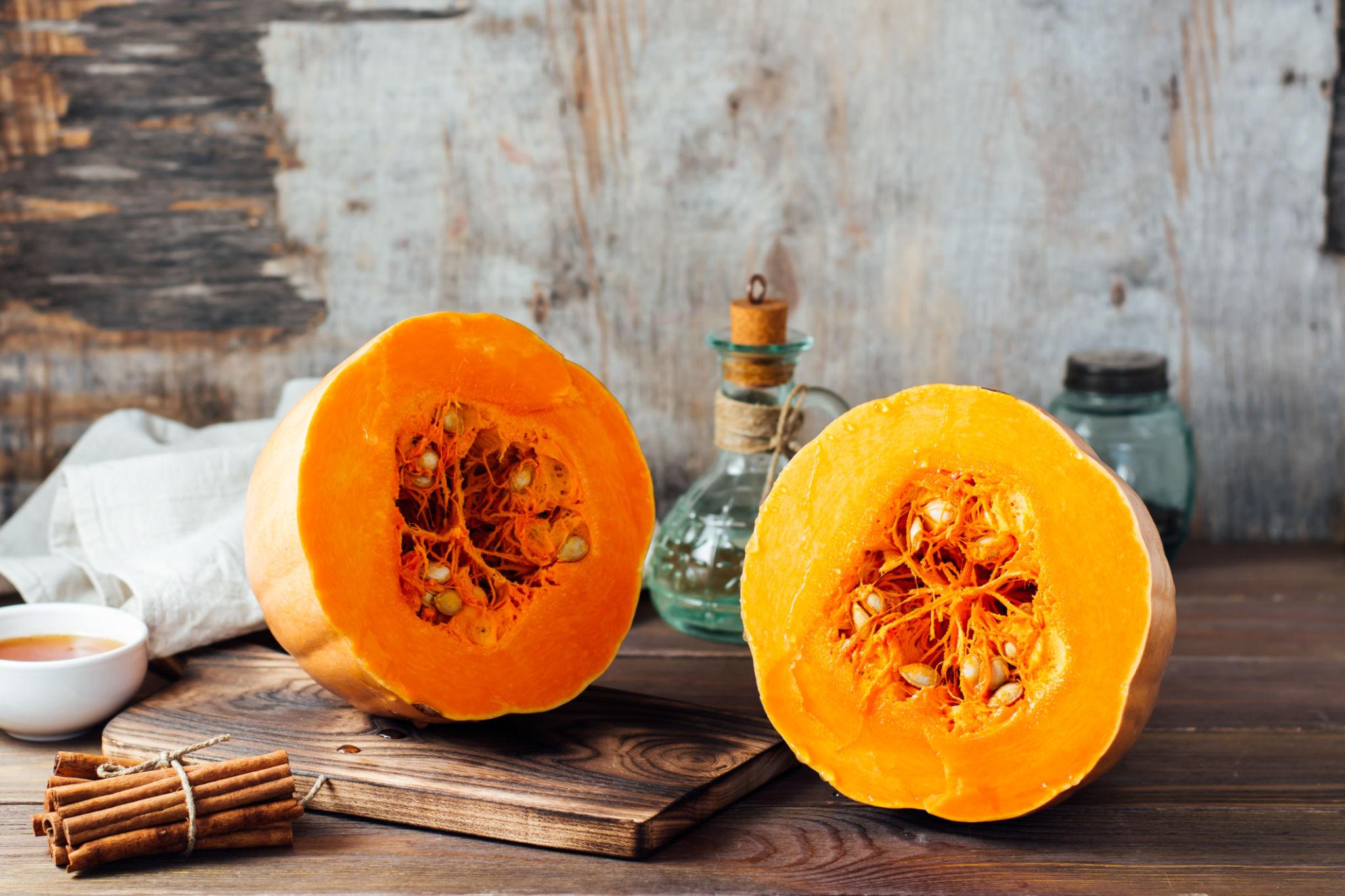
First, it develops from a flower’s ovary.
Second, it contains seeds enclosed within the fruit.
Third, it has the characteristic structure of a pepo, including a firm outer rind.
Together, these features explain its botanical classification.
You don’t need to remember every technical term to appreciate the basic idea.
The important distinction is that botany classifies fruits by their structure and development, not by whether they’re small, sweet, or traditionally served for dessert.
The Next Time You See a Pumpkin…
Whether you’re choosing a pumpkin for Halloween, preparing Thanksgiving dinner, or making soup on a cold evening, you can look at this familiar food a little differently.
The pumpkin sitting on your kitchen counter is more than an autumn decoration.
It’s a fruit produced by a flowering plant.
It’s a member of the gourd family.
And scientifically, it’s a specialized type of berry.
That doesn’t make your grandmother’s pumpkin pie any less traditional.
And it doesn’t mean you need to start calling pumpkin soup a fruit dish.
It simply shows how the natural world can be more surprising than our everyday labels suggest.
The next time someone asks whether pumpkin is a fruit or a vegetable, you can give them an answer they probably won’t expect: it’s a fruit, a botanical berry, and a culinary vegetable — all at the same time.
