That flexibility became one of the defining strengths of her career.
Working With Federico Fellini in 8½
Federico Fellini’s 8½ is widely regarded as one of the most influential films in cinema history.
Released in 1963, it follows a filmmaker struggling with creative uncertainty, personal relationships, and memories.
The movie moves between reality, fantasy, and imagination.
Cardinale’s appearance became part of its distinctive visual and emotional world.
Working with Fellini placed her at the center of a major moment in European filmmaking.
The director was known for creating films that challenged conventional narrative structures.
His work often explored dreams, identity, memory, and the complexities of human behavior.
Cardinale’s participation in 8½ strengthened her reputation as an actress capable of contributing to ambitious artistic productions.
The film remains essential viewing for people interested in the development of modern cinema.
The Leopard and a Memorable Historical Performance
Also released in 1963, The Leopard became another defining achievement.
Directed by Luchino Visconti, the film explores the decline of the Sicilian aristocracy during a period of political and social transformation.
Cardinale portrayed Angelica Sedara.
Her character becomes central to the changing relationships and ambitions of the families depicted in the story.
The film also featured Burt Lancaster and Alain Delon.
Its elaborate production design, costumes, cinematography, and performances helped establish it as a landmark historical drama.
For Cardinale, the role offered an opportunity to demonstrate a different side of her talent.
Angelica was more than a decorative presence.
She represented beauty, ambition, social change, and the arrival of a new generation.
The performance remains one of Cardinale’s most celebrated contributions to cinema.
Hollywood Recognition and The Pink Panther
Cardinale’s success was not confined to European art films.
She also appeared in major international productions.
One of the best known was The Pink Panther (1963), directed by Blake Edwards.
The film starred David Niven and Peter Sellers and became the beginning of a famous comedy franchise.
Cardinale played Princess Dala.
Her participation helped introduce her to audiences who might not have been familiar with Italian cinema.
During the 1960s, she also worked with prominent American actors and appeared in productions such as The Professionals and Circus World.
These films expanded her international recognition.
But Cardinale remained closely connected to European filmmaking.
She was interested in roles that offered variety and artistic substance, rather than allowing herself to be confined to a narrow Hollywood image.
That preference would become increasingly important as her career developed.
Once Upon a Time in the West: A Different Kind of Western Heroine
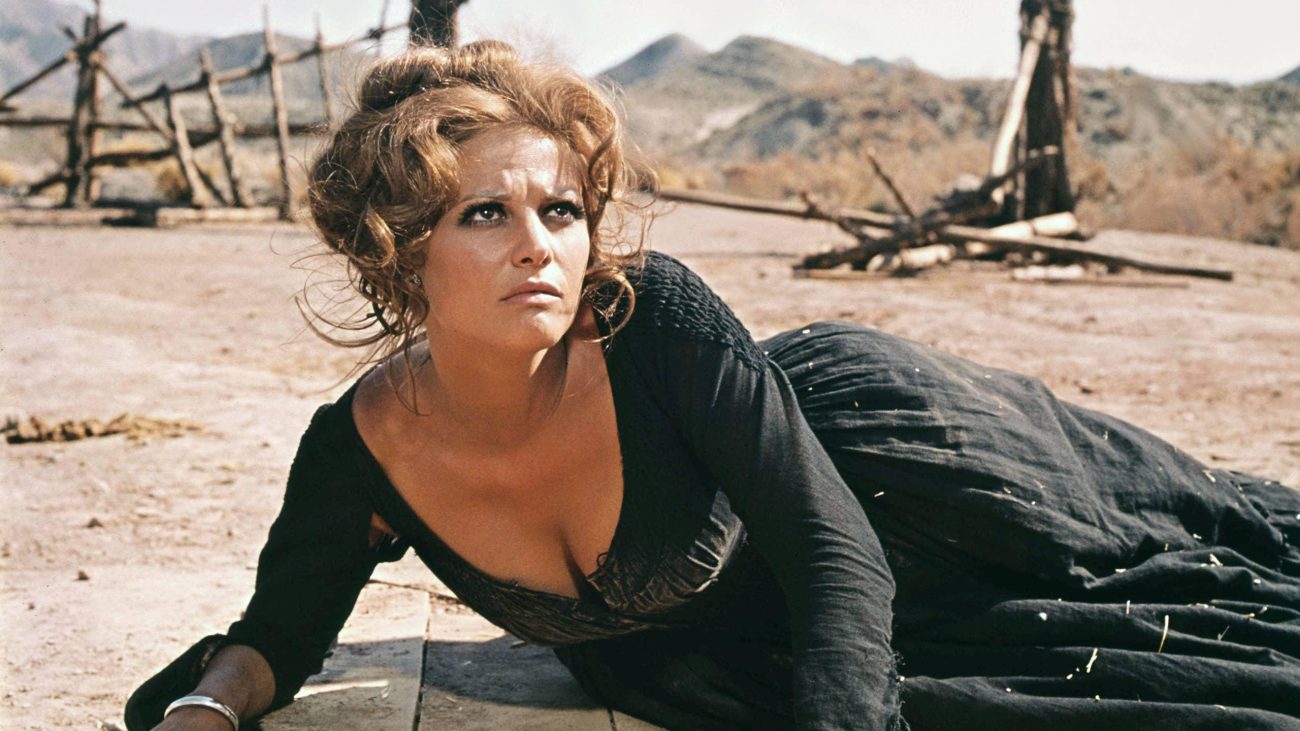
In 1968, Cardinale delivered one of her most memorable performances in Sergio Leone’s Once Upon a Time in the West.
The film became a landmark of the spaghetti western genre.
With its dramatic landscapes, distinctive pacing, powerful music, and memorable characters, it helped redefine what a western could look and feel like.
Cardinale portrayed Jill McBain.
Unlike many female characters in traditional westerns, Jill occupied a central position in the story.
She was a woman facing danger, loss, and uncertainty while trying to establish a future for herself.
Her determination became an essential part of the film’s emotional structure.
Cardinale brought strength and complexity to the role.
Her performance demonstrated that a western could place a woman’s experiences at the heart of its narrative without losing the scale and intensity associated with the genre.
For many film enthusiasts, Jill McBain remains one of Cardinale’s defining characters.
The Personal Struggles Behind the Glamour
Although Cardinale became an international symbol of beauty and elegance, her private life included serious difficulties.
She later spoke publicly about sexual violence she experienced as a young woman and the circumstances surrounding the birth of her son, Patrick.
