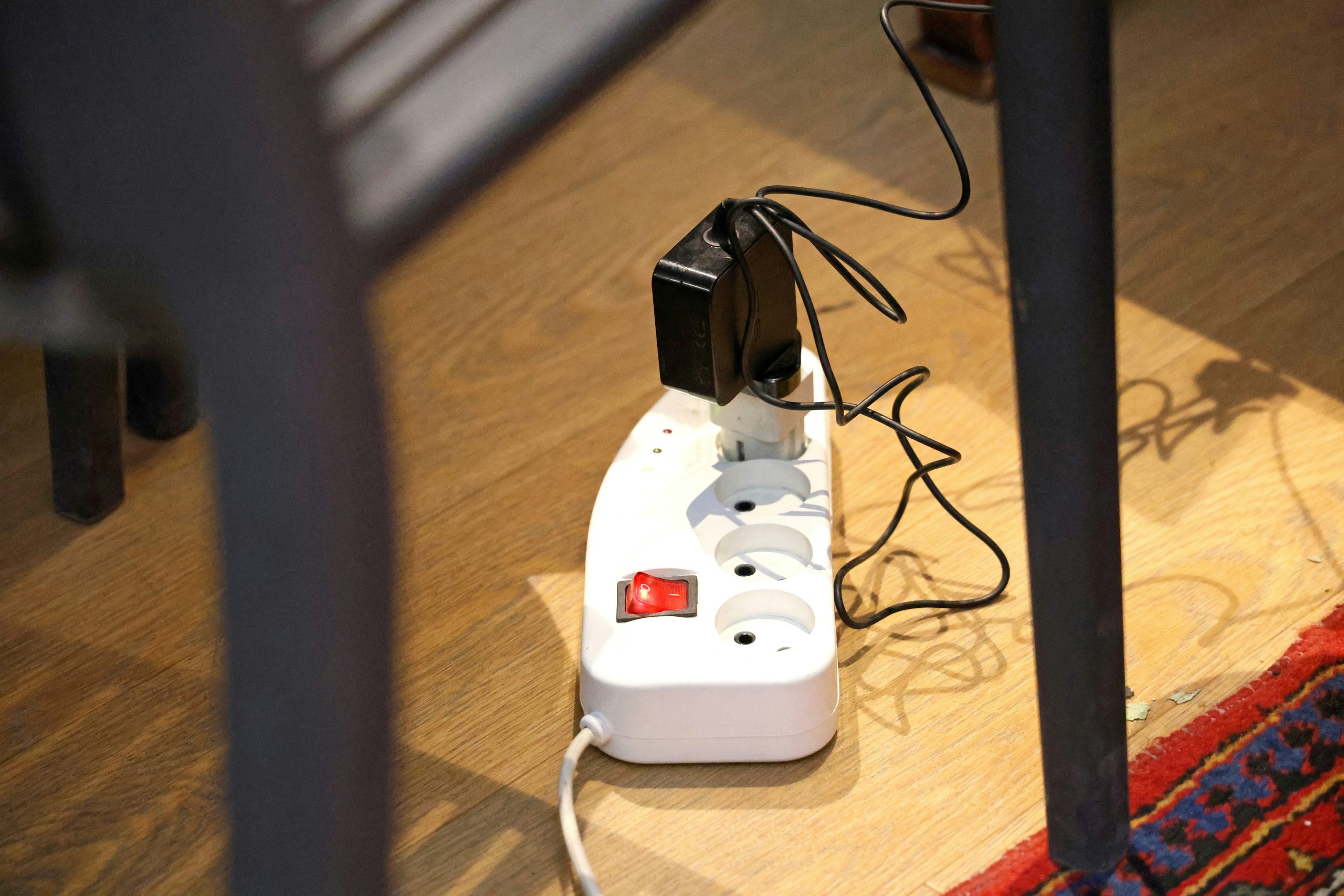
Power strips are so common that most of us barely think about them.
Need another outlet behind the television? Add a power strip.
Not enough plugs beside the desk? Add another one.
Need somewhere to connect an appliance in the kitchen? That is where things can become dangerous.
A power strip gives you more places to plug things in, but it does not magically give your home’s electrical circuit more capacity.
That distinction matters.
High-powered appliances can draw substantial current, and connecting the wrong equipment to an unsuitable power strip can lead to overheating, damaged wiring and, in some circumstances, fire.
The U.S. Consumer Product Safety Commission has specifically warned that overloaded power strips can present a serious fire hazard.
So before plugging in another appliance, take a moment to check what you’re connecting.
Here are some of the devices that deserve particular caution.
1. Space Heaters
This is one of the clearest rules on the list.
Do not plug a portable electric space heater into a power strip or extension cord.
The U.S. Consumer Product Safety Commission advises consumers to plug electric space heaters directly into wall outlets.
The reason is simple: portable heaters can draw a significant amount of power for extended periods.
A power strip or extension cord that isn’t designed to handle that load can overheat.
And overheating electrical equipment can become a fire hazard.
The Electrical Safety Foundation International gives similar advice and recommends keeping space heaters at least three feet away from combustible materials such as furniture, bedding, curtains and paper.
Space heaters should also be turned off when you leave the room or go to sleep.
Safer approach: Plug the heater directly into a suitable wall outlet and follow the manufacturer’s instructions.
2. Electric Grills, Hot Plates and Similar Cooking Appliances
Appliances that create substantial heat often consume considerable power.
That includes devices such as:
- electric grills
- hot plates
- some countertop ovens
- high-powered cookers
- other portable cooking appliances
The exact electrical demand varies by appliance, so the manufacturer’s instructions matter.
If the manual says the appliance should be connected directly to a wall outlet, follow that guidance.
Don’t assume that because a plug physically fits into a power strip, the strip is appropriate for the electrical load.
It may not be.
3. Toasters and Other Heating Appliances
A toaster looks harmless.
It’s small.
It’s used for only a few minutes.
But size doesn’t tell you how much electricity an appliance requires.
Heating elements can demand significant power.
The same principle applies to other countertop appliances that generate heat.
Before connecting one to a strip, check its wattage and manufacturer’s instructions.
For many high-demand heating appliances, a suitable wall outlet is the better choice.
4. Refrigerators and Freezers
Refrigerators are different from space heaters, so avoid oversimplifying this rule.
The concern isn’t merely that a refrigerator is “too powerful.”
Refrigerators and freezers contain compressors that cycle on and off, and manufacturers may specify particular electrical requirements for them.
Some installations may also require or recommend dedicated circuits.
A generic household power strip should not be treated as a substitute for the electrical installation required by the appliance.
Best rule: Follow the refrigerator manufacturer’s installation instructions and the electrical requirements applicable to your home.
If the manual requires a grounded wall outlet or dedicated circuit, don’t bypass that requirement with a power strip.
5. Washing Machines
The same principle applies to washing machines.
A washing machine is a major household appliance.
It shouldn’t automatically be treated like a phone charger or table lamp simply because it uses a plug.
Installation requirements can vary by model and location.
