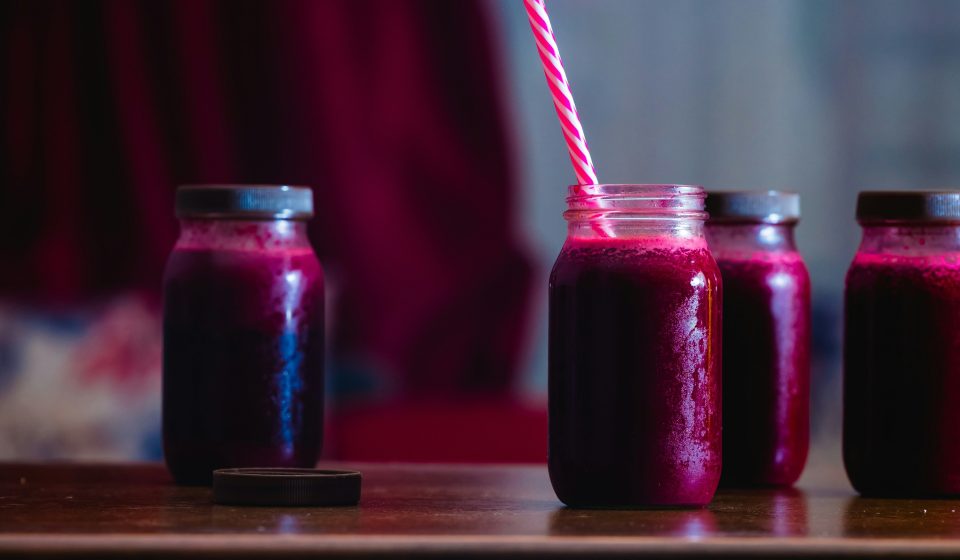
Beetroot, Carrot and Ginger Juice: A Colorful Homemade Blend Packed With Fruits and Vegetables

Bright red, slightly sweet, citrusy and unmistakably earthy, this homemade beetroot juice is one of those drinks that looks almost as striking as it tastes.
The recipe combines beetroot, carrots, oranges, celery, fresh ginger and lime or lemon into a vibrant juice that can be prepared in minutes with a juicer.
It’s sometimes described online as an “immune-boosting” drink.
That’s an appealing phrase, especially during cold and flu season, but it’s worth being more precise.
No homemade juice can guarantee stronger immunity or prevent or cure a cold. What this drink can do is provide a convenient mixture of fruits and vegetables containing a range of naturally occurring nutrients and plant compounds.
So instead of treating it like medicine, think of it as what it really is:
A flavorful way to add more produce to your diet.
Ingredients
For approximately 1 liter of juice, you’ll need:
- 3 medium beetroots — about 400 g
- 3 medium carrots — about 400 g
- 3 oranges
- 175 g celery
- 75 g fresh ginger
- 1–2 limes, or half a lemon
If you’re new to beetroot juice or find the flavor too earthy, you can also add:
- 2 apples, chopped to fit your juicer
The apples make the finished drink naturally sweeter and can soften some of the stronger beet and ginger flavors.
How to Make Beetroot, Carrot and Ginger Juice
Start by thoroughly rinsing your fresh produce under running water.
FoodSafety.gov recommends rinsing fruits and vegetables under running water rather than washing them with soap, bleach or household cleaners. Firm produce can be scrubbed with a clean produce brush when appropriate.
Peel the oranges and limes or lemon.
Depending on your juicer and personal preference, prepare the remaining produce as needed and cut everything into pieces small enough to fit safely through the machine’s feed chute.
Then start juicing.
A convenient order is:
1. Oranges and lime or lemon
Begin with the citrus.
2. Celery
Feed the celery through gradually.
3. Fresh ginger
The 75 grams in this recipe creates a noticeable ginger kick. If you prefer a milder drink, starting with less ginger is reasonable.
4. Beetroot
This is where the color changes dramatically.
5. Carrots
Finish with the carrots.
Once everything has passed through the juicer, stir the finished drink thoroughly.
Pour and serve.
Expect a Strong Flavor
If you’ve never tried fresh beet juice, don’t expect it to taste like ordinary fruit juice.
Beetroot has a distinctive earthy sweetness.
Carrots add more natural sweetness.
Orange and lime introduce acidity and brightness.
Celery gives the juice a fresh vegetal note.
And ginger provides the sharp finish.
With 75 grams of ginger in a batch, the ginger will be noticeable.
That’s why adding two apples can be useful for people trying this combination for the first time.
They aren’t essential.
But they can make the transition to beetroot juice easier if you’re accustomed to sweeter fruit-based drinks.
What Does This Juice Actually Provide?
The biggest reason to enjoy this recipe isn’t because it possesses some secret ability to “boost” your immune system overnight.
It’s because you’re combining several fruits and vegetables into one drink.
Beets themselves provide nutrients and naturally occurring plant compounds. They’re also known for their betalain pigments, which are responsible for their intense color.
Like many colorful fruits and vegetables, beets contain antioxidants, though research into the precise long-term effects of individual compounds continues.
Carrots, citrus, celery and ginger contribute their own nutritional profiles.
But that still doesn’t turn the finished juice into medicine.
Why “Immune Booster” Can Be Misleading
The immune system is enormously complicated.
It isn’t a battery that can simply be “charged” with one glass of juice.
Overall nutrition matters.
So do sleep, physical activity, age, underlying health conditions and many other factors.
A diet containing a variety of fruits and vegetables can contribute to good nutrition.
That’s very different from saying a specific juice will prevent infection or cure illness.
So if you enjoy this drink, enjoy it for its flavor and as another way to consume produce—not as a replacement for medical care or a proven treatment for colds, flu or other infections.
Juicing Is Also Different From Eating Whole Produce
This distinction is easy to overlook.
If you put whole fruits and vegetables through a traditional juicer, much of the fibrous pulp is separated from the liquid.
That means drinking juice isn’t nutritionally identical to eating the original whole foods.
U.S. dietary guidance emphasizes whole fruits, while 100% fruit juice can still count toward fruit intake.
So there’s no need to choose one or the other exclusively.
You can enjoy a homemade juice while still making whole fruits and vegetables a regular part of your diet.
Don’t Throw Away the Pulp Automatically
Depending on your juicer, you may be left with quite a lot of pulp.
Some people simply discard it.
But if it’s suitable for reuse and has been handled safely, there are plenty of ways to experiment with it in the kitchen.
Vegetable-heavy pulp can sometimes be incorporated into soups, savory batters or other cooked recipes.
Carrot and apple pulp can work in some baked goods.
The exact use depends on what went through the juicer and the texture you’re comfortable with.
The point is simple: juicing separates out material that would otherwise have been eaten with the whole produce.
Be Careful With Beetroot—It Stains
Before you begin, remember that beetroot pigment is intense.
It can stain:
- hands,
- light-colored clothing,
- wooden cutting boards,
- kitchen towels,
- countertops,
- and other porous surfaces.
Use a cutting board you don’t mind discoloring, clean spills promptly and consider gloves if you don’t want pink or red hands.
The dramatic color is normal.
And it can produce another surprise later.
Don’t Panic If Your Urine Looks Pink or Red
After drinking beet juice, some people notice pinkish or reddish urine.
Beets contain the red pigment betanin, and some people don’t completely metabolize it before it passes through the body.
The resulting red or pink urine is known as beeturia.
Beets can also give stool a reddish color.
Cleveland Clinic describes beet-related red urine or stool as generally benign when the color is actually caused by beet pigment.
So after drinking a large glass of this intensely red juice, an unexpected color change in the bathroom isn’t necessarily surprising.
But Don’t Automatically Assume Every Red Color Is From Beets
This is important.
Blood in urine or stool can also appear red.
If you haven’t recently eaten beets or other strongly pigmented foods, the discoloration persists, or you have concerning symptoms, don’t simply dismiss it as something you ate.
Cleveland Clinic advises seeking medical guidance for unexplained or persistent red urine, particularly when other symptoms are present.
Food can explain a color change.
It shouldn’t be used to automatically explain away a potentially important symptom.
Ginger Gives This Recipe a Serious Kick
Seventy-five grams of fresh ginger is substantial enough that some people will find this juice quite spicy.
There’s nothing wrong with adjusting the amount to taste.
More isn’t automatically better.
Ginger has been studied for several health uses, particularly nausea, but much of that research involves supplements rather than ordinary culinary use.
The National Center for Complementary and Integrative Health also notes that oral ginger can cause side effects including abdominal discomfort, heartburn, diarrhea, and irritation of the mouth and throat in some people.
If 75 grams makes the juice unpleasant, use less.
A healthy recipe doesn’t need to be difficult to drink.
People Taking Medication Should Avoid Treating Ginger Like a Supplement
Using ordinary amounts of ginger as food isn’t the same thing as taking concentrated ginger products.
But people sometimes begin consuming large quantities of ingredients after hearing about possible health benefits.
That’s where caution becomes more important.
NCCIH advises people who take medications to discuss herbal products with a healthcare provider because some herbs and medicines can interact.
This is another reason not to approach this recipe with the idea that more ginger automatically means more health benefit.
It’s food.
Treat it like food.
Beetroot Deserves Similar Perspective
Beets can absolutely be part of a nutritious eating pattern.
But they aren’t appropriate in unlimited quantities for everyone.
Beets contain oxalates, which may matter for people with a history of certain kidney stones.
Large amounts of beet juice may also warrant caution for people with low blood pressure or those taking blood-pressure-lowering medication.
Most people don’t need to be frightened of beets.
The point is simply that “natural” doesn’t mean “the more, the better.”
How Much Does the Recipe Make?
The exact yield depends on the size and water content of your produce and the efficiency of your juicer.
As a rough target, expect around:
1 liter of juice
That can provide approximately:
4 larger servings or up to 8 smaller servings.
You don’t have to drink the entire batch at once.
In fact, dividing it into smaller portions may be preferable if you’re not accustomed to a strong beet-and-ginger combination.
What About Storage?
Fresh juice should be handled with the same basic food-safety mindset as other perishable foods.
Keep it refrigerated promptly in a clean, sealed container.
FoodSafety.gov recommends keeping refrigerators at 40°F (4°C) or below and refrigerating perishable foods promptly rather than leaving them at room temperature for extended periods.
For quality, homemade juice is generally best enjoyed fresh.
If you’re storing it, keep it cold and use good judgment regarding appearance, smell and handling.
The original recipe suggests consuming refrigerated leftovers within three days; because exact safe storage time can depend on preparation, equipment cleanliness and ingredients, a more conservative approach is to make only as much as you’ll use relatively soon.
Shake or Stir Before Serving
Fresh juice can separate while sitting.
That doesn’t automatically mean something is wrong.
Simply stir or shake the sealed container before pouring.
If the juice develops an unusual smell, visible spoilage, unexpected fermentation or anything else that makes you question its safety, discard it.
Saving a glass of juice isn’t worth taking a food-safety risk.
Try Serving It Cold
This recipe tends to be refreshing when chilled.
You can refrigerate the ingredients before juicing or serve the finished juice over ice.
For people who find straight beet juice too intense, there are several easy adjustments:
Add the two apples.
Reduce the ginger.
Use a little more orange.
Increase the citrus slightly.
Or simply serve a smaller portion.
A recipe should suit the person drinking it.
Don’t Turn a Nutritious Drink Into a Health Test
There can be a strange pressure around “wellness” recipes.
People sometimes believe that if a drink tastes extremely bitter, spicy or unpleasant, it must somehow be healthier.
That’s not how nutrition works.
You don’t earn additional health benefits by suffering through a recipe you hate.
If 75 grams of ginger burns your throat, reduce it.
If the beet flavor overwhelms you, add apple or orange.
If you’d rather eat the carrots and oranges whole, that’s perfectly reasonable too.
The goal is a sustainable eating pattern—not passing a test.
An Easy Version for Beginners
For someone making beetroot juice for the first time, try:
3 medium beetroots,
3 medium carrots,
3 oranges,
175 g celery,
a smaller amount of ginger to taste,
1 lime,
and 2 apples.
Once you know how you respond to the flavor, you can gradually increase the ginger or remove the apples.
That approach is often easier than beginning with the strongest possible version.
Final Thoughts
Beetroot, carrot, orange, celery, ginger and lime make a striking homemade juice.
It’s colorful.
Fresh.
Naturally sweet and earthy.
And it provides a convenient way to enjoy a mixture of fruits and vegetables.
Just keep the claims realistic.
This isn’t a proven cold treatment.
It isn’t a magic “immune booster.”
And it doesn’t replace a balanced diet built around a variety of foods.
Whole fruits and vegetables remain particularly valuable because they retain their fiber.
But if you enjoy fresh juice, this beetroot-and-ginger blend can certainly have a place alongside them.
Just don’t be surprised if your cutting board—and possibly your next trip to the bathroom—looks considerably more red than usual.
Editor’s note: This article provides general nutrition and food-safety information and is not medical advice. Individual dietary needs can vary, particularly for people with medical conditions, a history of kidney stones, low blood pressure, pregnancy, or those taking medications.