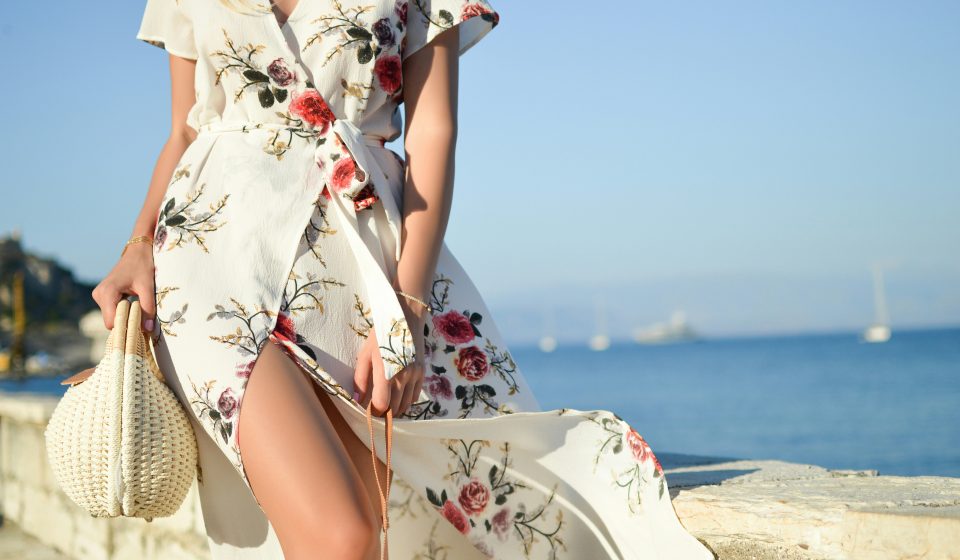

An outfit that looks spectacular for a 30-second photograph may be terrible for an entire afternoon.
That’s why casual summer style often works best when appearance and practicality meet.
Dressing for the Setting Makes a Difference
A beach isn’t a red carpet.
A backyard barbecue isn’t a corporate office.
A vacation isn’t a formal gala.
Yet celebrity photographs are sometimes evaluated as though every appearance were a carefully planned fashion presentation.
That’s unrealistic.
People wear different clothes in different environments.
A swimsuit beside a pool isn’t provocative simply because it would be inappropriate at a business meeting.
Context gives clothing meaning.
Ignoring context makes fashion criticism much less useful.
Social Media Has Turned Everyone Into a Fashion Commentator
Before social media, celebrity fashion criticism was concentrated in magazines, television programs and entertainment columns.
Now anyone can participate.
A photograph appears.
Thousands of people can potentially react.
Some offer compliments.
Some dislike the outfit.
Others analyze the person’s body rather than the clothes.
The barrier between casual observation and public commentary has largely disappeared.
That creates enormous amounts of conversation.
It doesn’t necessarily create better judgment.
Disliking an Outfit Is Fine
There’s nothing wrong with saying:
“I wouldn’t wear that.”
Fashion would be extremely boring if everyone had identical preferences.
You can dislike a color.
A pattern.
A silhouette.
A trend.
A pair of shoes.
That’s ordinary personal taste.
The problem begins when:
“I don’t like that outfit”
turns into:
“Someone with her body shouldn’t wear that.”
Those are very different statements.
One evaluates clothing.
The other attempts to establish rules for another person’s body.
Bodies Aren’t Fashion Mistakes
Clothing exists for bodies.
Bodies don’t exist to qualify for clothing.
That sounds obvious, yet much of online fashion commentary reverses the relationship.
People talk as though someone must reach a particular size before they’re permitted to wear a certain style.
Or maintain a particular shape.
Or hide particular features.
But a person’s body isn’t an accessory that needs to match an outfit.
The useful question is much simpler:
Does the person wearing it like it?
Celebrity Photographs Encourage Unfair Comparisons
There’s another reason fashion conversations deserve perspective.
Celebrity images can be highly curated.
Lighting matters.
Camera angles matter.
Professional makeup matters.
Editing can matter.
The photograph that appears effortless may be the best image selected from dozens.
Comparing an ordinary morning in front of your bathroom mirror with a polished celebrity photograph isn’t particularly useful.
The goal shouldn’t be to reproduce someone else’s body.
Fashion inspiration works better when you borrow ideas.
A color combination.
A silhouette.
A fabric.
An accessory.
Then adapt it to yourself.
Confidence Doesn’t Mean Loving Every Photograph
This is another unrealistic expectation.
A confident person can dislike a picture of themselves.
They can feel insecure sometimes.
They can change clothes because something doesn’t feel right.
Confidence isn’t permanent self-admiration.
It’s the ability to make choices without allowing every outside opinion to become a command.
That’s a much more achievable standard.
Personal Expression Doesn’t Require Shock Value
Sometimes celebrity fashion is described as though every outfit must be a deliberate statement.
It isn’t.
A person can wear something because they like it.
No hidden message.
No rebellion.
No attempt to “break the internet.”
No intention of proving anything about age or beauty.
This is particularly important when discussing photographs without direct comments from the person pictured.
We shouldn’t invent motives simply because an outfit gives us something to write about.
That Applies to Brandi Passante Too
Passante’s public image naturally invites commentary because viewers have known her from television for years.
But an outfit shouldn’t automatically be turned into evidence of a personal philosophy she hasn’t expressed.
We can discuss what her style illustrates.
We can talk about confidence.
We can discuss how celebrity fashion becomes public conversation.
What we shouldn’t do is pretend to know exactly what she was thinking when she chose a particular dress or vacation outfit.
Sometimes clothing is simply clothing.
Summer Fashion Offers More Freedom
Part of the appeal of summer wardrobes is their simplicity.
One dress can create an entire outfit.
A pair of shorts and a comfortable top may be enough.
Sandals replace complicated footwear.
Accessories can do more of the work.
Vacation environments also encourage experimentation.
People often wear colors or silhouettes they wouldn’t normally choose at home.
That can make summer an easy time to explore personal style without completely rebuilding a wardrobe.
Start With What You Actually Wear
It’s easy to buy clothes for an imaginary version of yourself.
The person who attends glamorous dinners every weekend.
The person who wears uncomfortable shoes without complaining.
The person who never spills anything on white clothing.
Then the clothes remain untouched.
A more practical approach is to look at what you repeatedly reach for.
Which fabrics?
Which fits?
Which colors?
Which shoes?
The answers tell you more about your real personal style than a trend forecast does.
Fit Usually Matters More Than the Number on the Tag
Sizing varies significantly between brands.
Someone may wear one size in one store and a different size somewhere else.
That can make the number on the label surprisingly unhelpful.
The better question is whether the garment fits properly.
Can you move?
Does it sit where it’s supposed to?
Do you feel comfortable?
Would you actually wear it again?
A smaller number isn’t automatically a better outfit.
Trends Should Be Options, Not Instructions
Every season brings new trends.
Certain colors dominate.
Old silhouettes return.
Shoes that disappeared ten years earlier suddenly become fashionable again.
Trends can be useful because they introduce new ideas.
But nobody needs to participate in all of them.
If a trend fits your taste, use it.
If it doesn’t, leave it.
Personal style becomes more coherent when trends are treated as a menu rather than a uniform.
The Best Wardrobe Is Usually Personal
A useful wardrobe reflects the person’s actual life.
Someone who works from home needs different clothes from someone who attends a formal office every day.
Someone living in a hot climate has different priorities from someone dealing with long winters.
Someone raising young children may value easy-care fabrics.
Someone who travels frequently may prioritize pieces that pack well.
There isn’t one ideal wardrobe because people don’t live one ideal life.
And That’s the More Useful Lesson
Celebrity fashion can be entertaining.
There’s nothing wrong with looking at an outfit and thinking:
I love that.
Or:
That’s definitely not for me.
The problem comes when entertainment turns into unnecessary judgment.
Brandi Passante doesn’t need to become a universal fashion standard for her style to be interesting.
A celebrity look can simply provide an idea.
Maybe you like the relaxed feeling.
Maybe you notice a color you’d forgotten about.
Maybe it reminds you that you stopped wearing something you once enjoyed because you became worried about what other people would think.
That’s enough.
You Don’t Need Permission to Change Your Style
Maybe you’ve dressed conservatively for years and want something brighter.
Maybe you’re tired of following trends.
Maybe your body changed.
Maybe your lifestyle changed.
Maybe you simply changed your mind.
None of those requires an apology.
Style isn’t permanent.
You aren’t required to dress like the person you were ten years ago.
And you aren’t required to dress according to someone else’s idea of the person you should become.
Confidence Is Quieter Than People Think
Real confidence doesn’t necessarily enter a room demanding attention.
Often, it looks much simpler.
Wearing something because you genuinely like it.
Not repeatedly asking whether everyone approves.
Accepting that some people won’t.
And continuing with your day.
That’s why the most memorable element of an outfit sometimes isn’t the clothing at all.
It’s ease.
Final Thoughts
Brandi Passante has spent years in the public eye, which means even ordinary photographs can become material for online fashion discussion.
But clothing doesn’t need to become a referendum on someone’s age, body or worth.
Summer style can be much simpler than that.
Dress for the weather.
Dress for the setting.
Choose clothes that fit.
Borrow trends you genuinely enjoy.
Ignore the ones you don’t.
And remember that another person’s wardrobe is inspiration—not an instruction manual.
The most useful question isn’t whether strangers would approve of what you’re wearing.
It’s whether the clothing feels like you.
Because trends change.
Bodies change.
Seasons change.
Personal style changes.
But being comfortable with your own choices never really goes out of fashion.
Do you think personal style gets easier with age because people become more confident—or harder because society places more rules on what people are “supposed” to wear?
Editor’s note: Online versions of this story describe Brandi Passante’s summer style as generating debate and criticism. However, the available material does not provide a clear primary source establishing the scale or exact nature of that reaction. This article therefore does not present a specific outfit as a verified viral controversy or attribute motives to Passante that she has not publicly expressed.