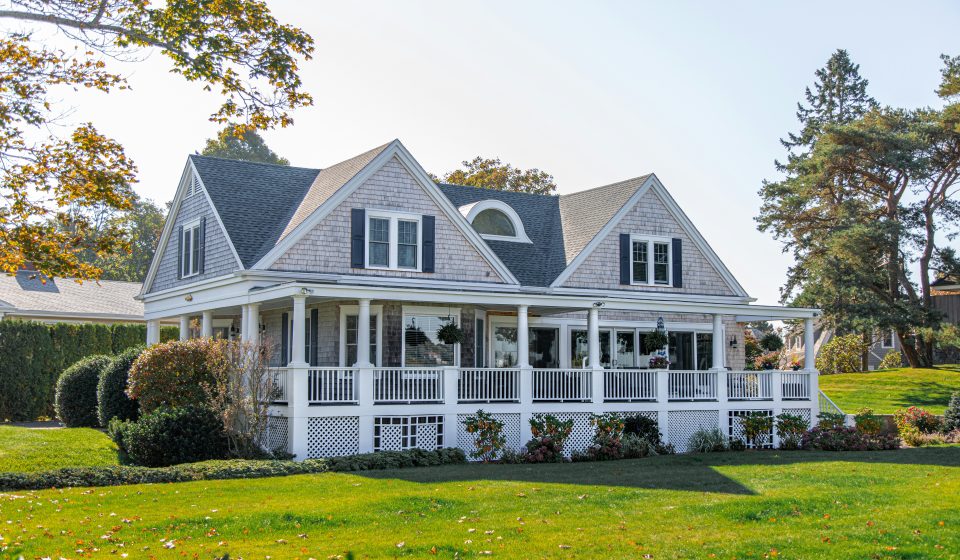
This $139,000 Oceanfront Cottage in Nova Scotia Looks Like a Dream—But There’s an Important Catch

Imagine waking up near the ocean, stepping outside with a cup of coffee, and hearing little more than the wind, water, and sounds of the surrounding countryside.
For many buyers, an oceanfront retreat like that sounds expensive.
That’s what makes 15 Ross Creek Drive in Ross Creek, Nova Scotia, immediately interesting.
The recreational cottage is currently listed for C$139,000, offering three bedrooms, two bathrooms—one full and one half—and approximately 953 square feet of finished living space.
It sits along the ocean, with water views and the kind of quiet coastal setting that makes a small cottage feel like a genuine escape.
But before anyone starts imagining this as an unusually inexpensive way to own oceanfront real estate in Canada, there is one extremely important detail to understand:
The C$139,000 asking price is for the cottage—not ownership of the land underneath it.
The land is leased.
And that changes the financial picture considerably.
A Small Cottage With a Big Oceanfront Appeal
At 953 square feet, this isn’t an enormous home.
It isn’t trying to be.
The property is classified as a recreational cottage and dates to 1979.
Its appeal is less about sheer size and more about location and simplicity.
There are three bedrooms in total.
Two smaller bedrooms are located on the main level, while the primary bedroom is upstairs.
That arrangement provides enough sleeping space to make the property practical for a family getaway or for hosting a few guests without requiring a large footprint.
The cottage also contains an eat-in kitchen, living room, family room, full bathroom and half bathroom.
For a recreational property, it’s a relatively functional layout.
The Wood Stove Adds Classic Cottage Character
One feature that immediately fits the setting is the wood-burning stove.
Few things define the traditional cottage experience quite like a fire burning while cooler coastal weather settles outside.
The property isn’t dependent solely on wood for comfort, however.
Listing information also identifies a ductless heat pump and additional heating equipment.
For a recreational retreat that may be used outside the warmest summer months, having several ways to manage indoor temperature can be useful.
The cottage also includes a deck and sheds, adding outdoor living and storage space.
Then There’s the Ocean
This is the feature likely to get the most attention.
The property is identified in current real-estate data as oceanfront, with an ocean view.
That’s an enormous part of the attraction.
Waterfront properties carry an emotional appeal that is difficult to reproduce with ordinary suburban real estate.
It’s not only about looking at water.
It’s about how people imagine using the property.
Quiet mornings.
Walks near the shore.
Evenings outside.
Family weekends away from the city.
Reading with the windows open.
Listening to the weather change.
Those experiences are difficult to quantify on a property sheet, but they’re often exactly why buyers search for recreational waterfront real estate in the first place.
The Cottage Comes Furnished
There’s another appealing detail for someone who doesn’t want to start completely from scratch.
According to the current listing, furnishings are included in the purchase price, excluding personal items.
Appliances listed with the property include an electric range, refrigerator, microwave, washer and dryer.
That can make a recreational property easier to begin using without immediately furnishing an entire second home.
But those conveniences shouldn’t distract from the most consequential part of the listing.
You Are Not Buying the Land
This is the detail every prospective buyer needs to understand before getting attached to the C$139,000 price.
The cottage sits on privately owned leased land.
According to the current listing, the land lease operates on a three-year term.
The annual lease fee is listed at:
C$1,650 plus HST per year.
The fee is payable by May 31 each year.
More importantly, the listing states that the lease amount may change when the agreement is renewed.
That means a buyer isn’t purchasing a conventional freehold waterfront home where the house and underlying parcel are both included in the sale.
They’re purchasing the cottage while entering into a lease arrangement for the land.
That’s a fundamentally different ownership structure.
And It Isn’t Intended as a Permanent Residence
There’s another major restriction.
The listing states that the cottage is not for permanent residential use under the land lease agreement.
That’s critical.
Someone seeing an oceanfront cottage listed for C$139,000 might imagine selling a city home and moving to Nova Scotia permanently.
This particular property isn’t being offered that way.
It is a recreational property.
That makes it much more appropriate for someone looking for a seasonal retreat or getaway than someone searching for an inexpensive full-time oceanfront residence.
Prospective buyers would need to review the complete lease and purchase documentation carefully before deciding whether the arrangement suits their plans.
The Listing Is Aimed at Cash Buyers
The current property description specifically mentions a cash buyer.
Leasehold recreational properties can differ from conventional real estate when it comes to financing.
A traditional mortgage is secured partly by the real property involved in the transaction.
When a buyer is purchasing a structure located on land owned by someone else, financing can become more complicated.
Anyone interested in a property with this type of ownership arrangement should therefore establish how they intend to finance it before assuming an ordinary residential mortgage will apply.
Why C$139,000 Suddenly Makes More Sense
At first glance, the price can seem almost unbelievable.
Three bedrooms.
Oceanfront.
Nova Scotia.
C$139,000.
But real estate prices rarely make sense without reading the conditions attached to the property.
Once the leasehold arrangement and recreational-use restriction are considered, the asking price becomes easier to understand.
You’re not buying an oceanfront parcel plus a cottage for C$139,000.
You’re buying the cottage and acquiring the right to use the leased land according to the terms of the applicable agreement.
That’s still potentially attractive to the right buyer.
It’s simply a different proposition.
The Property Has Seen Significant Price Reductions
The pricing history is another interesting part of the story.
Current listing records show that the asking price has been reduced several times.
It was previously marketed considerably higher before eventually reaching its current C$139,000 asking price.
That doesn’t automatically mean something is wrong with the cottage.
Properties can be reduced for countless reasons, including seller motivation, market response, unusual ownership structures and an initial price that buyers simply didn’t accept.
But when a property has experienced substantial price changes, buyers should take the opportunity to understand why.
The lease arrangement is obviously one factor worth considering.
What Does 953 Square Feet Actually Give You?
For a permanent family home, 953 square feet could feel compact.
For a cottage, it can be entirely different.
The main floor includes the principal everyday living spaces along with two bedrooms.
The primary bedroom occupies the second level.
Rather than dedicating square footage to formal rooms rarely used during a vacation, the cottage provides the spaces most people would expect from a recreational property.
There’s somewhere to cook.
Somewhere to gather.
Somewhere to sleep.
And, most importantly, the surrounding landscape becomes part of the living space.
At a cottage, the deck, shoreline and outdoor environment can matter just as much as the square footage inside.
The Setting Is the Real Luxury
Luxury doesn’t always mean marble countertops and enormous rooms.
Sometimes it’s privacy.
Sometimes it’s quiet.
Sometimes it’s being able to walk outside and see the ocean.
A small coastal cottage can provide an experience that a much larger inland house cannot.
That’s what makes properties like this attractive even when they’re modest.
You’re not necessarily buying the cottage because of its 953 square feet.
You’re buying access to a particular kind of weekend.
A different pace.
A place where going outside is part of the point.
But Waterfront Ownership Requires Practical Thinking
The romantic side of waterfront living is easy to understand.
The practical side deserves equal attention.
Coastal properties can be exposed to weather, moisture, salt air, erosion and other environmental conditions that may affect maintenance over time.
A buyer should understand the condition of the structure and its major systems rather than relying on photographs alone.
That becomes even more important with a cottage originally built in 1979.
An appropriate inspection and careful review of available property information can help a buyer understand what they’re actually taking on.
The Lease Deserves Just as Much Attention as the Cottage
With this property, inspecting the building is only part of due diligence.
The land lease may be equally important.
A prospective buyer would want to understand the full agreement, including issues such as renewal, permitted use, responsibilities, restrictions and what happens under different circumstances.
The listing already tells buyers that the lease is for three years and that the annual fee may change upon renewal.
Those are significant details.
Before purchasing any structure located on leased land, buyers should make sure they understand the agreement they’re inheriting or entering.
It’s Not the Right Property for Everyone
Someone looking for a conventional primary residence should probably look elsewhere.
Someone determined to own both the house and land may not be interested either.
A buyer uncomfortable with future lease renewals may prefer a freehold property.
But that’s not necessarily a criticism of the cottage.
Real estate isn’t about finding a property that’s perfect for everyone.
It’s about finding one whose advantages and limitations match a particular buyer.
For someone seeking a recreational oceanfront escape and comfortable with the leasehold arrangement, this property could still be intriguing.
It Has the Ingredients of a Classic Coastal Retreat
Three bedrooms make family weekends possible.
The wood stove adds traditional cottage atmosphere.
The deck expands the usable space during good weather.
The sheds provide additional storage.
The ocean supplies the scenery.
And at C$139,000, the cottage itself costs considerably less than many conventional waterfront homes.
Those characteristics explain why the listing attracts attention.
But the land arrangement explains why reading beyond the headline is essential.
A Reminder to Read the Fine Print on Cheap Dream Homes
Properties like this frequently travel around social media because the headline practically writes itself:
Oceanfront cottage for only C$139,000.
And technically, that’s the current asking price.
But the headline alone doesn’t tell the whole story.
Real-estate listings can contain details that completely change how a property should be evaluated.
Sometimes it’s an HOA fee.
Sometimes there’s major renovation work required.
Sometimes the property is seasonal.
Sometimes there are restrictions on what can be built.
And sometimes—as with this Nova Scotia cottage—the house sits on leased land.
That doesn’t automatically make the property a bad deal.
It simply means buyers need to evaluate what they’re actually purchasing rather than what they imagined after seeing the first photograph.
So, Is It Worth C$139,000?
There isn’t a universal answer.
For the right buyer, the combination of oceanfront surroundings, three bedrooms, included furnishings and recreational use could make the cottage appealing.
For another buyer, not owning the land or being unable to use the cottage as a permanent residence could immediately rule it out.
Both reactions are reasonable.
The important thing is understanding the distinction before making the decision.
At 15 Ross Creek Drive, the dream is real: a small cottage by the ocean in Nova Scotia.
But so is the catch.
You can buy the cottage. The land underneath it remains leased.
And sometimes one sentence in a real-estate listing makes all the difference.
Would you pay C$139,000 for an oceanfront cottage if the land underneath it was leased rather than included in the purchase?