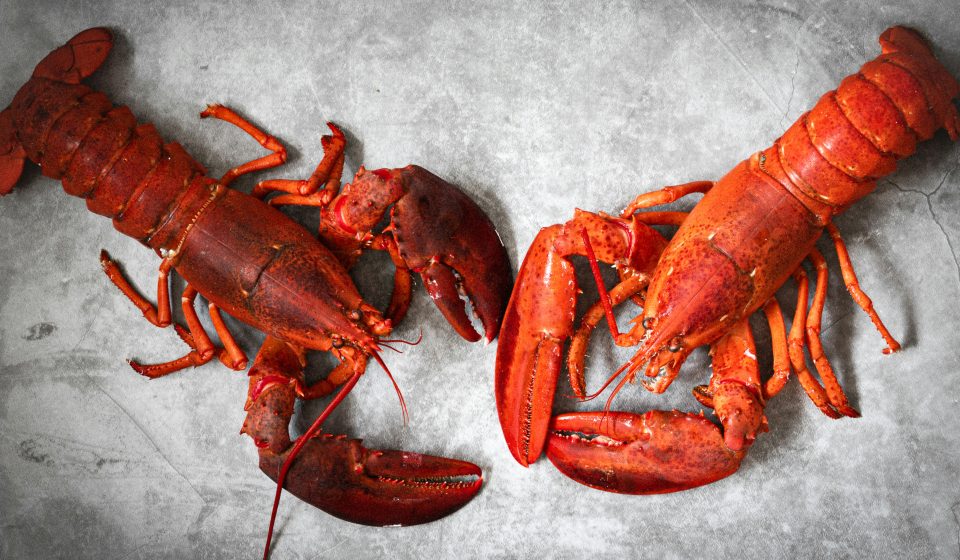

Crack open a freshly cooked lobster and you may encounter something unexpected.
Hidden inside the body cavity is a soft substance that can range from yellowish green to deep olive.
If you’ve never seen it before, your first reaction might be:
What on earth is that green stuff—and am I supposed to eat it?
It isn’t spoiled meat.
It isn’t necessarily a sign that something went wrong during cooking.
And it isn’t part of the lobster’s intestines in the way some people assume.
The substance is commonly called tomalley.
For generations, some seafood lovers have considered it a delicacy.
But there’s an important food-safety warning attached to it.
Although people historically ate tomalley and some still enjoy its rich flavor, public-health authorities have warned consumers against eating it because contaminants and marine biotoxins can accumulate there.
So before reaching for your fork, here’s what that mysterious green material actually is—and why it deserves more caution than the lobster meat surrounding it.
The Green Substance Is Called Tomalley
Tomalley is part of the lobster’s digestive system.
More specifically, it’s the hepatopancreas, an organ that performs functions somewhat comparable to both the liver and pancreas in humans.
It helps the lobster digest food and process nutrients.
That’s why describing it simply as “lobster liver” isn’t completely accurate, although the comparison helps explain what the organ does.
The hepatopancreas has several important biological functions.
Unfortunately, those functions are also part of the reason health officials pay special attention to it.
Why Is It Green?
The color can look startling if you’re accustomed to the familiar white lobster meat.
Tomalley doesn’t look like tail or claw meat at all.
It’s soft.
Creamy.
Sometimes almost paste-like.
And its color can vary.
Greenish shades are normal for tomalley and don’t automatically mean the lobster was spoiled.
That distinction matters because someone encountering it for the first time may assume the animal has gone bad.
The green material itself is a normal anatomical part of the lobster.
The bigger question isn’t whether tomalley is naturally present.
It’s whether you should eat it.
Some Seafood Lovers Consider It a Delicacy
Tomalley has long had its fans.
Its flavor is much stronger and richer than ordinary lobster meat.
People who enjoy it may eat it directly or incorporate it into dishes and sauces.
Others can’t stand it.
The texture and concentrated seafood flavor can be surprising, especially to someone expecting the sweet, firm texture of lobster tail.
That difference in preference has helped turn tomalley into one of those foods people either enthusiastically defend or immediately remove from their plates.
But taste isn’t the main issue.
Food safety is.
Here’s Where the Warning Comes In
The lobster’s hepatopancreas can accumulate substances from its environment.
That includes certain chemical contaminants and naturally occurring marine toxins.
Maine’s current public-health guidance advises everyone not to consume lobster tomalley because contaminants can accumulate in the organ.
Importantly, the same warning does not mean ordinary lobster meat is unsafe.
The distinction between the two is crucial.
Lobster Meat and Tomalley Aren’t the Same From a Food-Safety Perspective
When people hear that toxins can occur inside a lobster, they may understandably wonder whether they should avoid the entire animal.
That’s not what the available guidance says.
Maine authorities specifically distinguish between the hepatopancreas and the lobster’s muscle meat.
The soft green tomalley can accumulate contaminants.
The edible muscle—the familiar tail and claw meat—doesn’t carry the same advisory in this context.
So finding green tomalley inside your lobster doesn’t mean you need to panic or automatically throw away the entire meal.
It means you should understand which part you’re looking at.
Why Can Tomalley Accumulate Contaminants?
Think about the organ’s job.
The hepatopancreas is involved in digestion and processing substances entering the lobster’s body.
Environmental contaminants can therefore become concentrated in this tissue.
Recent monitoring in Maine has continued to support the recommendation not to eat lobster hepatopancreas.
Testing has examined contaminants including PCBs, dioxins, PFAS compounds and metals.
The important practical point for consumers is much simpler:
The green organ can contain higher concentrations of undesirable substances than the meat people normally eat.
Harmful Algal Blooms Add Another Concern
Chemical pollutants aren’t the only issue.
Marine environments can experience harmful algal blooms.
Certain algae produce potent natural toxins.
Marine animals can accumulate those toxins through the food web.
One important group is associated with paralytic shellfish poisoning, or PSP.
The toxins responsible are called saxitoxins.
They can affect the nervous system.
FDA information notes that PSP toxins have been reported in lobster viscera, including the tissue commonly referred to as tomalley.
Cooking Doesn’t Necessarily Solve the Problem
This is one of the most important misconceptions to avoid.
People often assume:
“If the lobster was boiled thoroughly, everything inside must be safe.”
That’s not necessarily true when marine biotoxins are involved.
Cooking is extremely important for controlling many foodborne hazards.
But certain naturally occurring shellfish toxins aren’t reliably destroyed by ordinary cooking.
That means boiling the lobster doesn’t automatically make contaminated tomalley safe.
The lobster may look perfectly normal.
It may smell normal.
It may taste normal.
You cannot reliably identify these toxins simply by examining your dinner.
What Is Paralytic Shellfish Poisoning?
Paralytic shellfish poisoning is a potentially serious illness caused by consuming seafood contaminated with certain marine toxins.
Symptoms can involve the digestive and nervous systems.
FDA information lists possible symptoms such as:
- nausea or vomiting,
- abdominal discomfort,
- numbness or tingling,
- loss of coordination,
- muscle weakness or paralysis,
- and breathing difficulties in severe cases.
Severe poisoning can become a medical emergency.
That doesn’t mean eating a lobster automatically exposes someone to PSP.
It explains why public-health agencies monitor marine biotoxins and why consuming organs that can concentrate toxins deserves additional caution.
“Red Tide” Is More Complicated Than It Sounds
People often use the phrase “red tide” to describe harmful algal blooms.
But not every harmful bloom visibly turns the water red.
And not every discoloration of seawater means dangerous seafood toxins are present.
That’s why visual inspection of the ocean isn’t enough.
Monitoring programs test coastal areas and harvested shellfish for specific hazards.
When toxin concentrations reach concerning levels, harvesting areas can be closed.
This monitoring is one reason purchasing seafood through established commercial channels matters.
So Is Tomalley Poisonous?
Not automatically.
Finding tomalley inside a lobster doesn’t mean you’ve discovered poison.
It is a normal organ.
The concern is that this particular organ can accumulate contaminants and marine toxins, which is why health authorities in places such as Maine recommend avoiding it.
That’s a much more accurate explanation than either extreme:
“Tomalley is completely safe.”
or:
“The green stuff means the lobster is poisonous.”
Neither statement properly captures the issue.
What If I’ve Already Eaten It?
Don’t automatically assume something bad is going to happen.
Many people have eaten tomalley without becoming ill.
But if you’ve consumed seafood and then develop significant neurological symptoms—particularly numbness, tingling, weakness, loss of coordination or difficulty breathing—seek urgent medical attention.
Breathing problems after suspected shellfish poisoning should be treated as an emergency.
For routine questions about a particular lobster or local seafood advisory, check guidance from the relevant public-health or fisheries authority where the seafood was harvested.
What About Pregnant Women and Children?
People who are pregnant, may become pregnant, are breastfeeding, or are choosing seafood for young children often need to pay particular attention to seafood-consumption guidance because certain contaminants can pose greater risks during development.
But in the case of Maine’s lobster-tomalley advisory, the recommendation is straightforward:
No consumption for everybody.
That removes the need to guess whether a particular person belongs to a higher-risk group.
The Tail and Claws Are a Different Story
Fortunately for lobster lovers, the part most people actually want is the meat.
Tail meat.
Claw meat.
Knuckle meat.
Those tissues aren’t the same as the hepatopancreas.
Maine’s current guidance specifically notes that while consumers are advised not to eat tomalley, lobster meat itself doesn’t carry the same warning.
Recent state monitoring has likewise found lobster muscle tissue low enough in the contaminants examined to support consumption without a corresponding advisory.
That’s an important distinction.
Avoiding the green stuff doesn’t mean giving up lobster.
What Should You Do When You Find Tomalley?
If you crack open a lobster and discover the green material, there’s no need for alarm.
You now know what it is.
It’s the lobster’s hepatopancreas.
If you’re following current public-health guidance such as that issued in Maine, simply don’t eat it.
Remove it and continue with the edible meat.
That’s considerably simpler than trying to determine from color, smell or texture whether that particular tomalley contains contaminants.
You can’t reliably make that judgment at the dinner table.
Why Did People Eat It for Generations?
Because culinary tradition and modern risk assessment aren’t always the same thing.
Historically, communities often consumed much more of an animal than many modern diners do.
Organs could be prized rather than discarded.
Tomalley developed a reputation as a rich seafood delicacy, and some culinary traditions incorporated it into sauces and other preparations.
That history is real.
But food-safety recommendations evolve as scientists gain better tools for detecting contaminants and understanding environmental exposure.
Something being traditional doesn’t automatically make every historical practice the best modern choice.
The Ocean Is Part of the Story
Lobsters don’t exist in isolation.
They’re part of a marine ecosystem.
What occurs in that environment can ultimately affect the animals living there.
Industrial pollutants can persist.
Naturally occurring algae can produce toxins.
Those substances can move through marine food webs and accumulate differently in different tissues.
This is why environmental monitoring and seafood safety are closely connected.
When authorities monitor coastal waters, they’re not merely studying the ocean.
They’re also protecting people who eventually eat what comes from it.
Commercial Seafood Monitoring Matters
Regulated commercial harvesting systems are designed to reduce seafood risks through monitoring, closures and controls.
For recreational harvesting, consumers need to pay particular attention to local closure notices.
A beach looking clean doesn’t prove that seafood from the area is free of biotoxins.
Likewise, a lobster appearing healthy doesn’t tell you the concentration of contaminants in its internal organs.
Testing can reveal what appearance cannot.
Don’t Judge Seafood Safety by Appearance Alone
This lesson extends beyond lobster.
Foodborne hazards don’t always announce themselves with a bad smell or strange appearance.
Marine biotoxins are a good example.
Seafood can look completely normal while containing toxins.
That’s why official harvesting closures and consumption advisories matter.
If authorities close an area because of marine biotoxins, don’t assume cooking the seafood harder will make it safe.
Follow the closure.
What About the Other Strange Material Inside a Lobster?
Tomalley isn’t the only unfamiliar thing people may encounter when opening a whole lobster.
Female lobsters can contain roe, which may appear dark before cooking and red after cooking.
Other internal tissues can also look unfamiliar to someone who normally buys only lobster tails.
That means color alone isn’t enough to identify every substance inside a lobster.
If you’re uncertain about something unusual—especially if the lobster smells spoiled or appears improperly handled—don’t guess.
Ask the seafood seller or follow local food-safety guidance.
Tomalley Isn’t a “Secret Superfood”
This is another claim worth avoiding.
Because organ meats can contain concentrated nutrients, online posts sometimes transform unusual animal organs into supposed miracle foods.
There’s no reason to do that here.
Tomalley doesn’t need a health halo.
The relevant public-health concern is actually the opposite: because this digestive organ can accumulate environmental contaminants, some authorities advise consumers not to eat it.
Calling it a “detox food,” “superfood” or uniquely healthy delicacy would therefore be misleading.
The Simplest Answer
So, let’s return to the original question.
You open your lobster.
You see green material.
What is it?
Tomalley—the lobster’s hepatopancreas, an organ involved in digestion that performs functions similar to a liver and pancreas.
Is its green appearance normal?
Yes.
Does it mean the lobster meat is spoiled?
No, not by itself.
Should you eat it?
Current Maine public-health guidance recommends that consumers do not eat lobster tomalley because it can accumulate environmental contaminants and biotoxins.
Can you still eat the lobster meat?
In the context of this advisory, yes—the warning specifically concerns tomalley rather than ordinary lobster meat.
Final Thoughts
The mysterious green substance inside a lobster isn’t nearly as mysterious once you understand the animal’s anatomy.
Tomalley is a normal digestive organ.
Its unusual appearance has made it a source of curiosity for generations, while its rich flavor has historically earned it fans among seafood enthusiasts.
But modern food-safety guidance adds an important qualification.
Because the hepatopancreas can concentrate environmental contaminants and marine biotoxins, authorities including Maine public-health agencies advise consumers against eating it.
That doesn’t mean the sweet tail and claw meat suddenly need to disappear from your plate.
It simply means knowing which part of the lobster you’re looking at—and making an informed choice based on current safety guidance.
The next time you crack open a lobster and see that green material, at least you’ll know exactly what you’ve found.
Editor’s note: Food-safety advisories can vary by location and can change in response to environmental conditions. This article provides general educational information and does not replace current guidance from local public-health or fisheries authorities.