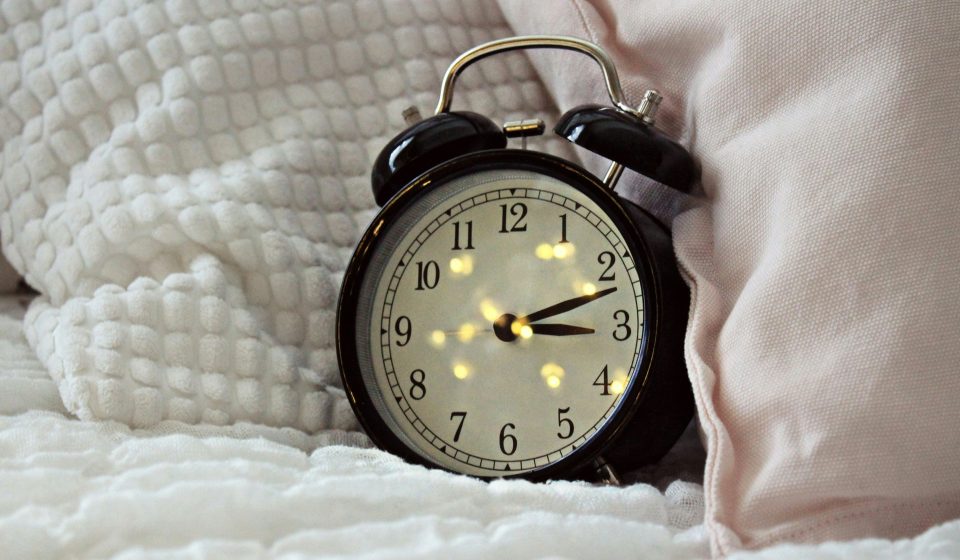

You open your eyes, reach for the clock and see the same frustrating numbers again.
2:17 a.m.
Or maybe it’s 3:06.
The house is quiet.
You know you need more sleep.
But now you’re awake—and the more you think about needing to fall asleep, the harder it seems to happen.
If this sounds familiar, you’re far from alone.
Waking during the night is common, and occasional awakenings aren’t necessarily a sign that anything is wrong.
But when you repeatedly wake in the early hours and struggle to fall back asleep, the problem can start affecting the following day.
You may feel tired.
Irritable.
Foggy.
Less productive.
And after enough bad nights, you may begin worrying about sleep before you’ve even gone to bed.
So why does this happen?
And is there really something special about waking at 2 or 3 in the morning?
First, 2–3 A.M. Isn’t a Mysterious Biological Warning Time
This is worth clarifying immediately.
There is no established medical rule saying that waking specifically between 2 and 3 a.m. means your liver, hormones, blood sugar or another organ is malfunctioning.
The exact clock time isn’t usually the most important clue.
What matters more is the pattern:
How often are you waking?
How long do you stay awake?
What time did you go to bed?
Do you snore or gasp?
Do you wake because you’re hot?
Do you need to urinate?
Are you in pain?
Have you consumed alcohol?
Are you stressed?
And how do you feel the following day?
Those questions tell us much more than the number displayed on the clock.
Sleep Isn’t One Long, Unchanging State
A normal night contains different stages of sleep.
Broadly, these include non-REM sleep and REM sleep.
We move through these stages repeatedly throughout the night rather than remaining in one deep state until morning.
That means sleep naturally becomes lighter at certain points.
Brief awakenings can occur, and sometimes we don’t even remember them the next morning.
The problem isn’t necessarily waking for a moment.
It’s becoming fully alert and then being unable to return to sleep.
Why Does It Feel Like You Wake at Exactly the Same Time?
Your sleep is influenced by regular biological rhythms as well as your habits and environment.
If you tend to go to bed at roughly the same time every night, recurring awakenings may also appear at roughly similar times.
There can also be repeating triggers.
Perhaps your bedroom becomes warmer during the night.
Maybe your partner starts snoring after changing position.
A pet moves.
Traffic begins outside.
You need to use the bathroom.
Alcohol consumed earlier begins affecting the second half of your sleep.
Or you’ve simply developed a pattern of becoming alert and checking the clock at that point.
None of this requires a mysterious 3 a.m. mechanism.
Stress Is a Major Suspect
You can be exhausted and still have a mind that refuses to settle.
Stress is a recognized risk factor for insomnia. Worry about work, relationships, finances, grief and other problems can make falling or staying asleep more difficult.
Sometimes the pattern is obvious.
You lie down already thinking about tomorrow.
Other times, you fall asleep without difficulty and wake hours later with your mind suddenly active.
One thought leads to another.
Tomorrow’s meeting.
A bill.
A conversation from yesterday.
Something you forgot to do.
Then comes another thought:
Why am I awake again?
And now the sleep problem itself becomes another source of stress.
Watching the Clock Can Make Things Worse
This is one of the crueler parts of insomnia.
You wake.
You check the time.
2:14.
Ten minutes later:
2:24.
Then 2:41.
Now you’re calculating.
“If I fall asleep immediately, I can still get four hours.”
Then:
“Now it’s only three and a half.”
The clock becomes a countdown.
NHLBI notes that worrying about getting enough sleep and watching the clock can contribute to insomnia or make it worse.
So if you’re prone to nighttime anxiety, turning the clock away from you—or resisting the urge to keep checking your phone—may help remove one source of pressure.
Alcohol Can Help You Fall Asleep—and Then Hurt Your Sleep Later
This catches many people by surprise.
Alcohol can make you feel sleepy.
That doesn’t mean it produces good-quality sleep.
NHLBI explains that although alcohol may make it easier to fall asleep, it can produce lighter sleep and make waking during the night more likely.
So someone might have a couple of drinks in the evening, fall asleep quickly and then repeatedly wake later.
Because the initial falling-asleep part was easy, they may never connect the later awakening with alcohol.
If nighttime waking is a regular problem, alcohol is worth examining.
Caffeine Can Last Longer Than You Think
Caffeine is another obvious but often underestimated factor.
Coffee isn’t the only source.
Tea, energy drinks, cola, chocolate and some medications can also contain caffeine.
Sensitivity varies significantly from person to person.
Some people can drink coffee late in the day and apparently sleep normally.
Others can’t.
If you’re struggling with repeated awakenings, reducing caffeine later in the day is a reasonable experiment.
NHLBI includes avoiding caffeine close to bedtime among its recommendations for healthier sleep.
Nicotine Can Interfere Too
Nicotine is a stimulant.
That means cigarettes and other nicotine-containing products aren’t neutral when it comes to sleep.
NHLBI specifically includes nicotine alongside caffeine and alcohol among substances to avoid close to bedtime when trying to improve sleep.
This doesn’t mean nicotine is necessarily the cause of every nighttime awakening.
It means it’s one of the factors worth considering.
Your Bedroom May Be Waking You
Sometimes the explanation is much simpler than people expect.
Noise.
Light.
Temperature.
An uncomfortable mattress.
A partner moving.
A television.
A phone notification.
Pets.
Even relatively small environmental changes may be more noticeable when you’re in lighter sleep.
A bedroom generally works best for sleep when it’s dark, quiet and comfortably cool.
NHLBI recommends creating a cool, quiet and dark sleep environment and limiting electronic-device use around bedtime.
Before searching for an obscure medical explanation, look around the room.
Your Phone Can Become Part of the Problem
You wake at 2:30.
You can’t immediately sleep.
So you pick up your phone.
Just for a minute.
A message becomes social media.
Social media becomes a news article.
Then a video.
Now you’re no longer simply awake.
You’re engaged.
Electronic devices can interfere with the sleep-wake cycle, and using your phone in bed also teaches your brain that the bed is a place for wakeful activity.
If you wake during the night, scrolling is generally not the best strategy for getting sleepy again.
Menopause Can Significantly Affect Sleep
For women in midlife, menopausal symptoms deserve particular attention.
Hot flashes and night sweats can disrupt sleep.
Mood changes may contribute as well.
The National Institute on Aging notes that women going through the menopausal transition can have difficulty falling asleep, wake too early, or be awakened by night sweats or the need to urinate.
So repeated nighttime waking accompanied by sweating, sudden heat or other menopausal symptoms shouldn’t simply be dismissed as “stress.”
There are evidence-based management options worth discussing with a healthcare professional.
Pregnancy Can Affect Sleep Too
Pregnancy can change sleep for many reasons.
Physical discomfort, hormonal changes, reflux, urinary frequency and other factors can contribute.
NHLBI also identifies hormonal changes during pregnancy and menopause as factors that can increase sleep problems.
Again, the important point isn’t that hormones specifically make everyone wake at 2:37 a.m.
It’s that physiological changes can make sleep more fragmented.
What About Men and “Hormonal Imbalances”?
This is an area where online sleep articles often become too speculative.
It’s true that hormones interact with sleep.
But waking at 2 or 3 a.m. isn’t enough evidence to conclude that a man’s testosterone or cortisol is “imbalanced.”
Those diagnoses require appropriate medical context and, when indicated, evaluation.
Don’t order an assortment of hormone supplements because an internet article told you your 3 a.m. awakening proves your hormones are abnormal.
The symptom is too nonspecific for that conclusion.
Is Low Blood Sugar Waking You Up?
This explanation is frequently repeated online.
It’s also often oversimplified.
True hypoglycemia can cause symptoms and is particularly relevant for some people with diabetes, especially those using insulin or certain glucose-lowering medications.
But repeated 2–3 a.m. waking in an otherwise healthy person should not automatically be blamed on “blood sugar crashing.”
And routinely eating a bedtime snack to prevent an assumed glucose drop isn’t a universal insomnia treatment.
If you have diabetes and suspect nighttime hypoglycemia, that’s a different situation and should be addressed according to your diabetes care plan and with your healthcare professional.
For everyone else, don’t assume a middle-of-the-night awakening proves your glucose is dangerously low.
A Bedtime Snack Isn’t the Universal Answer
Some sleep advice recommends fruit, nuts, protein or complex carbohydrates before bed to “stabilize blood sugar.”
That may be appropriate for particular individuals or circumstances.
It shouldn’t be prescribed to everyone who wakes during the night.
Eating unnecessarily before bed can create other problems for some people, including discomfort or reflux.
NHLBI’s general sleep guidance instead recommends regular meal timing and avoiding late-night dinners.
The cause of the awakening matters more than applying the same snack to everyone.
Sometimes the Bladder Is the Reason
If you’re waking because you need to urinate, ask a different question:
Why am I needing to urinate during the night?
Sometimes the answer is simply drinking a lot of fluid late in the evening.
NHLBI recommends limiting fluids close to bedtime if bathroom trips are disrupting sleep.
But frequent nighttime urination can also have other causes.
If it’s persistent, new or accompanied by other urinary symptoms, excessive thirst or other concerns, it may be worth discussing with a healthcare professional rather than treating it purely as insomnia.
Pain Can Fragment Sleep
Back pain.
Arthritis.
Headaches.
Reflux.
Persistent coughing.
Itching.
Nasal congestion.
Many physical symptoms can wake someone who initially fell asleep without difficulty.
This is another reason a blanket diagnosis of “stress” isn’t always helpful.
If you repeatedly wake because something physically hurts or bothers you, treating the underlying issue may be more useful than adding another relaxation technique.
Snoring Deserves Attention
Loud, persistent snoring isn’t always harmless.
Especially if it’s accompanied by gasping, choking, pauses in breathing, morning headaches or substantial daytime sleepiness, it can raise concern for obstructive sleep apnea.
Sleep apnea causes repeated breathing disruptions during sleep and can fragment rest even when the person doesn’t remember every awakening.
If your partner says you stop breathing during sleep, that’s not something to solve with blackout curtains or herbal tea.
It deserves medical evaluation.
Restless Legs and Limb Movements Can Also Disturb Sleep
Some people experience an uncomfortable urge to move their legs, often worse during rest or in the evening.
Others may have repetitive limb movements during sleep.
These problems are different from ordinary insomnia and may require a different approach.
That’s why persistent sleep disruption is worth evaluating rather than endlessly experimenting with random sleep tips.
Medications Can Affect Sleep
Some prescription and over-the-counter medicines can interfere with sleep.
The answer isn’t to stop a medication on your own.
Instead, review what you’re taking with a doctor or pharmacist if your sleep changed after starting or adjusting a medication.
NHLBI specifically recommends discussing medications that may disrupt sleep with a healthcare provider.
Timing can matter too.
Sometimes an appropriate change in when a medication is taken can help—but that decision should be made with professional guidance when necessary.
So What Should You Do Tonight?
Start with the basics.
Not because they’re exciting.
Because they have evidence behind them.
Keep your bedroom dark, quiet and comfortable.
Try to maintain a consistent wake time.
Reduce late caffeine.
Avoid relying on alcohol as a sleep aid.
Be thoughtful about nicotine.
Limit large late meals.
Avoid excessive fluid intake right before bed if bathroom trips are a problem.
Create a predictable wind-down routine.
And give yourself enough opportunity to sleep.
These measures won’t cure every sleep disorder.
But they create a better foundation for sleep.
Consistency Matters More Than a Perfect Bedtime Ritual
People sometimes build elaborate nighttime routines.
Special tea.
A specific supplement.
A scented spray.
Ten minutes of stretching.
A particular playlist.
None of those things is necessarily wrong if you enjoy them.
But don’t overlook the less glamorous factor:
regularity.
Going to bed and waking at wildly different times can interfere with a stable sleep-wake schedule.
NHLBI recommends keeping sleep and wake times relatively consistent, including on weekends when possible.
A simple routine you actually maintain is often more useful than a complicated routine you abandon after three nights.
Don’t Force Sleep
This is particularly important for people who wake during the night.
You can’t command yourself to become unconscious.
Trying harder can create frustration.
And frustration increases alertness.
For chronic insomnia, one component of cognitive behavioral therapy for insomnia—known as stimulus control—aims to strengthen the association between bed and sleep.
NHLBI describes this approach as going to bed when sleepy and getting out of bed when you cannot sleep, then returning when you’re ready to sleep again.
The idea isn’t to punish yourself for being awake.
It’s to stop spending long periods in bed teaching your brain that bed is where you lie awake worrying.
Keep the Middle of the Night Boring
If you need to get out of bed because you’re wide awake, avoid turning the moment into daytime.
Don’t start work.
Don’t open social media.
Don’t blast bright lights.
Choose something quiet and unstimulating.
Then return to bed when sleepiness returns.
The objective is to allow sleep pressure to re-emerge rather than fighting wakefulness.
Relaxation Can Help—But It Isn’t a Magic Switch
Slow breathing.
Meditation.
Progressive muscle relaxation.
A warm bath before bedtime.
Quiet reading.
These can help some people reduce arousal and transition toward sleep.
NHLBI includes relaxation and stress-management approaches among strategies used for insomnia.
But don’t turn relaxation into another performance test.
If you’re thinking, “This breathing exercise has had six minutes to work and I’m still awake,” you’ve simply created another reason to monitor yourself.
The objective is relaxation, not forcing an immediate result.
What About Melatonin?
Melatonin is often the first thing people buy when sleep becomes difficult.
But it’s not a universal solution for waking at 2–3 a.m.
NHLBI notes that research has not established melatonin supplements as an effective treatment for insomnia generally, and supplements can cause side effects and affect other aspects of health.
Melatonin has legitimate uses in certain sleep and circadian situations, but the dose, timing and reason for taking it matter.
More isn’t automatically better.
If you’re repeatedly waking at night, identifying the cause is preferable to automatically adding supplements.
Sleeping Pills Aren’t the Only Medical Treatment
People sometimes assume professional treatment for insomnia means receiving a prescription.
That’s not necessarily true.
For long-term insomnia, one of the most important treatments doesn’t involve a sleeping pill at all.
It’s called cognitive behavioral therapy for insomnia, or CBT-I.
CBT-I Is a First-Line Treatment for Chronic Insomnia
NHLBI describes CBT-I as a structured treatment usually lasting around six to eight weeks and notes that it’s generally recommended as the first treatment option for long-term insomnia.
CBT-I can include several components:
Changing thoughts and anxiety surrounding sleep.
Strengthening the association between bed and sleeping.
Adjusting time spent in bed.
Improving sleep-related habits.
Learning relaxation strategies.
The treatment can be delivered by trained healthcare professionals in person, by phone or through appropriate online programs.
This is substantially more evidence-based than chasing whichever “3 a.m. sleep hack” happens to be trending online.
Keep a Sleep Diary Before You Guess
If the problem keeps happening, collect information.
For one or two weeks, write down:
- When you went to bed and approximately when you fell asleep
- When you woke during the night
- When you got up for the day
- Naps
- Caffeine and alcohol use
- Exercise
- Medications when relevant
- Whether you woke because of heat, pain, urination, noise or another obvious reason
- How sleepy you felt during the day
NHLBI recommends a sleep diary as a useful tool when evaluating insomnia.
Patterns may become obvious once they’re written down.
When Does Nighttime Waking Become Insomnia?
One bad night isn’t chronic insomnia.
Neither is an occasional stressful week.
NHLBI says insomnia may be diagnosed when difficulty falling or staying asleep occurs at least three nights per week. It is considered chronic when the pattern occurs three or more nights weekly and lasts at least three months.
Daytime impact matters too.
If you’re sleeping poorly but feel perfectly rested and function normally, that’s different from losing sleep and struggling through each day.
When Should You Talk to a Doctor?
Consider professional evaluation if sleep disruption is persistent, worsening or affecting your daytime functioning.
It’s particularly worth discussing if you have symptoms suggesting another condition—such as loud snoring with breathing pauses, significant daytime sleepiness, persistent pain, troubling leg sensations, frequent nighttime urination, major mood symptoms, or menopausal symptoms that are substantially disrupting sleep.
You don’t need to wait until you’re completely exhausted before asking for help.
Sleep problems are treatable.
But the correct treatment depends on the cause.
Don’t Become Afraid of 3 A.M.
This may be the most important point.
After waking at the same time repeatedly, people can begin anticipating it.
You go to bed thinking:
“I know I’m going to wake at 3.”
Then you wake and immediately check the clock.
3:02.
Now it feels like confirmation that something is wrong.
That anxiety can reinforce the pattern.
The clock time itself isn’t the enemy.
Waking briefly isn’t automatically dangerous.
And one interrupted night doesn’t mean tomorrow is ruined.
The goal is to make sleep less of a nightly test.
The Real Question Isn’t “Why 3 A.M.?”
It’s:
Why is my sleep being disrupted, and what happens after I wake?
For one person, the answer may be stress.
For another, alcohol.
For another, menopause.
For another, an uncomfortable room.
For another, sleep apnea.
For another, chronic insomnia.
And sometimes there’s no dramatic explanation at all.
Human sleep isn’t perfectly continuous every night.
Start With What You Can Change
Keep your schedule reasonably consistent.
Give yourself enough time to sleep.
Reduce obvious stimulants later in the day.
Don’t use alcohol as a sleeping strategy.
Make the room comfortable.
Keep the phone from becoming your 2 a.m. entertainment system.
Avoid repeatedly watching the clock.
And if you’re wide awake for a prolonged period, consider getting out of bed for a quiet activity and returning when sleepy.
If the pattern persists despite reasonable changes, don’t keep adding random supplements.
Get appropriate help.
Better Sleep Usually Isn’t About One Trick
The internet loves simple explanations.
“You wake at 3 a.m. because your liver is detoxing.”
“Eat this food before bed.”
“Take this supplement.”
“Press this point on your wrist.”
Sleep rarely works that way.
It’s influenced by the brain, circadian rhythms, behavior, environment, physical health, medications, substances and psychological state.
That complexity can sound discouraging.
It shouldn’t.
It means there are many possible points where the problem can be addressed.
You Don’t Need a Perfect Night Every Night
Occasional nighttime waking is part of being human.
The objective isn’t to achieve eight completely uninterrupted hours every single night.
It’s to get enough good-quality sleep consistently enough that you feel rested and function well during the day.
If you occasionally wake at 2:43 a.m., roll over and fall back asleep, there’s usually little reason to obsess over the clock.
If you’re staring at the ceiling for hours night after night, that’s different.
And that’s when understanding the pattern—and treating the actual cause—becomes worthwhile.
The solution isn’t discovering the secret meaning of 3 a.m.
It’s figuring out what’s interfering with your sleep and using strategies that actually fit the problem.
Medical note: This article provides general educational information and isn’t a diagnosis or individualized treatment plan. Persistent sleep problems, significant daytime sleepiness, breathing pauses during sleep or other concerning symptoms should be discussed with a qualified healthcare professional.