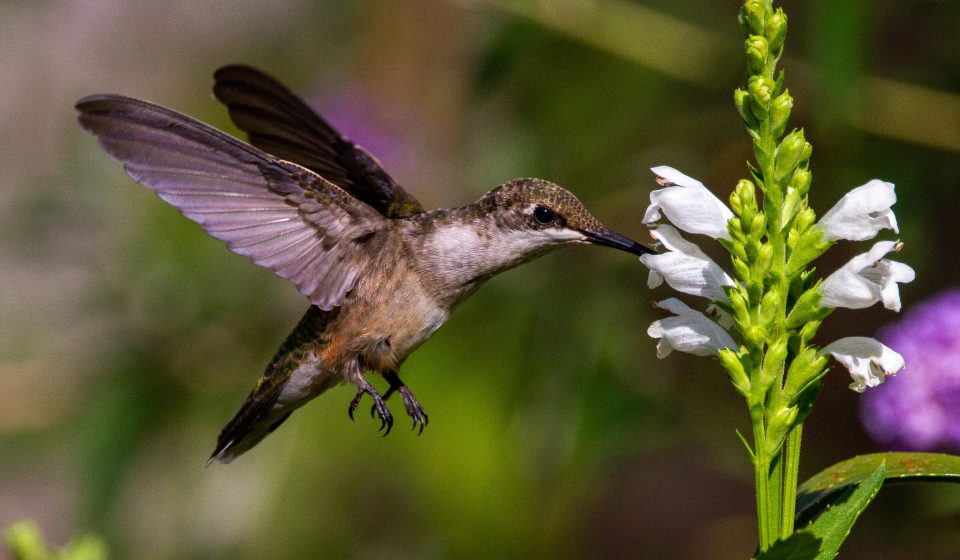

You don’t have to travel deep into a forest or visit a national park to have a memorable encounter with wildlife.
Sometimes all it takes is stepping into the backyard after a summer rain.
A strange insect may be resting beneath a leaf. A frog may suddenly appear beside a garden path. A bird you’ve never noticed before may be searching for food beneath a tree. Something unusual may even be hiding beneath a flowerpot, piece of wood, or pile of fallen leaves.
The first reaction is often the same:
What is that?
For many people, curiosity is quickly followed by another question:
Is it dangerous?
Most unexpected wildlife encounters don’t require panic. But they do offer an opportunity to slow down, observe carefully, and learn something about the surprisingly active ecosystem that may exist only a few steps from our homes.
Nature Is Closer Than We Think
When we hear the word “wildlife,” we often imagine large animals living somewhere far away.
Bears in forests.
Deer in the mountains.
Alligators in wetlands.
Whales in the ocean.
But wildlife includes far more than large, dramatic animals.
Birds, frogs, butterflies, moths, beetles, spiders and countless other creatures share landscapes with humans.
Some thrive in parks and gardens.
Others take advantage of tiny pockets of habitat between buildings, fences and roads.
A suburban backyard can contain an entire miniature ecosystem that its human residents rarely notice.
Why Do Animals Suddenly Appear in Our Yards?
Often, the animal hasn’t suddenly arrived at all.
We’ve simply noticed it for the first time.
Many small creatures are extremely good at remaining hidden.
They shelter beneath vegetation.
Rest under rocks.
Move primarily at night.
Blend into bark or soil.
Remain inactive during unfavorable weather.
Then conditions change.
A period of rain may bring certain animals into view.
Warm weather can increase insect activity.
Flowering plants attract pollinators.
Seasonal migrations bring different birds through an area.
A garden that appears quiet to us may actually be changing constantly.
Rain Can Make Wildlife Much More Noticeable
One of the best times to look carefully at a garden is after rain.
Moisture changes the environment.
Some amphibians become more active under damp conditions.
Earthworms may become easier to see near the surface.
Snails and slugs can emerge from sheltered locations.
Insects may gather around wet vegetation.
Birds may arrive looking for the small animals that have suddenly become accessible.
What looks like one simple weather event can temporarily change the behavior of many species.
That’s why a familiar yard can look completely different after a storm.
An Unfamiliar Appearance Doesn’t Automatically Mean Danger
Humans are naturally cautious around creatures we don’t recognize.
That’s useful.
But appearance isn’t a reliable way to determine risk.
A large insect may be harmless.
A brightly colored caterpillar may require more caution.
A spider may look frightening while posing little threat to people.
And an animal that normally avoids humans may defend itself if someone tries to pick it up.
The safest general response is simple:
Don’t handle an unfamiliar wild animal until you know what it is.
You usually don’t need to kill it either.
Give it space.
Observe it.
Take a photograph from a reasonable distance if that can be done safely.
Then identify it using a reputable wildlife resource or qualified local expert.
Photographs Can Help With Identification
If you encounter something unusual, a clear photograph can be extremely useful.
Try to photograph the animal without moving or disturbing it.
If possible, capture:
- Its overall shape
- Colors and markings
- Approximate size
- The environment where it was found
Location also matters.
The same-looking creatures may belong to different species in different regions.
Season can provide another clue.
A photograph combined with geographic location, approximate size and date is much more useful than a description such as “strange brown bug.”
Avoid Picking Up Animals for a Better Picture
Curiosity sometimes leads people to move an animal into better light or place it on a surface where it can be photographed.
That’s usually unnecessary.
Handling can stress wildlife.
Some species can bite or sting when threatened.
Certain caterpillars and other small animals may have defensive structures that shouldn’t be touched.
Even harmless animals can be injured by improper handling.
A photograph taken where the animal naturally appeared is generally preferable.
Small Creatures Can Have Large Ecological Roles
Size doesn’t determine ecological importance.
Consider pollinators.
Bees, butterflies, moths and other animals can move pollen between flowers, helping many plants reproduce.
Other small animals help break down organic material.
Predators such as spiders consume other small creatures.
Birds feed on insects.
Larger animals feed on smaller animals.
Plants provide food and shelter.
The result is a network of relationships rather than a collection of isolated species.
Remove enough pieces from that network and the effects can spread.
Not Every Insect Is a Pest
This distinction is particularly important in gardens.
People sometimes see an unfamiliar insect and immediately reach for pesticide.
But many garden insects aren’t harming the plants.
Some are pollinators.
Some feed on insects that gardeners actually consider pests.
Others are simply passing through.
That doesn’t mean pest control is never justified.
Certain species can damage plants, invade homes or create legitimate safety concerns.
The important step is identification.
Know what you’re dealing with before deciding what to do about it.
Spiders Are Often Misunderstood
Few backyard creatures generate as much immediate anxiety as spiders.
Their appearance alone can make people uncomfortable.
Yet spiders are predators and commonly feed on insects and other small animals.
That can make them useful components of outdoor ecosystems.
Of course, species and regional risks vary.
If you encounter a spider you cannot identify, especially in an area where medically significant species occur, avoid unnecessary handling and use reliable local identification resources.
But simply finding a spider outdoors isn’t evidence that your yard has a problem.
For the spider, the yard may simply be home.
Frogs and Toads Can Appear Unexpectedly
A damp corner of a yard can sometimes attract amphibians.
People may discover a frog or toad near:
- Garden beds
- Outdoor faucets
- Ponds
- Drains
- Shaded pathways
- Dense vegetation
They may seem to have appeared from nowhere.
In reality, the environment may provide moisture, shelter or food.
Again, the best approach is usually observation rather than interference unless the animal is clearly trapped or in immediate danger.
Birds Reveal How Active a Yard Really Is
Birds are among the easiest forms of wildlife to observe.
Pay attention to a yard for 20 minutes and you may notice several different behaviors.
Some birds search the ground.
Others inspect tree bark.
Some catch insects.
Others feed on seeds or fruit.
Their presence can also reveal something about the surrounding habitat.
Trees provide nesting and resting locations.
Shrubs offer cover.
Flowers and insects provide food.
Even a relatively small green space can become useful habitat.
Fallen Leaves Aren’t Necessarily Waste
Many homeowners understandably want a clean yard.
But natural debris can also provide habitat.
Fallen leaves and plant material can shelter small organisms.
They eventually break down and contribute organic matter to soil.
That doesn’t mean leaves should be allowed to accumulate everywhere.
Paths may need to remain clear.
Drainage areas shouldn’t be blocked.
Local conditions differ.
But a perfectly sterile outdoor space isn’t necessarily the healthiest habitat.
Leaving some appropriate areas less disturbed can benefit small wildlife.
A Garden Can Be Designed for Both People and Wildlife
Supporting wildlife doesn’t require turning a backyard into uncontrolled wilderness.
A balanced garden can provide habitat while remaining comfortable for people.
Locally suitable plants are often useful because native wildlife may already be adapted to them.
A variety of flowering periods can provide resources across more of the growing season.
Shrubs can create cover.
Trees add vertical habitat.
Responsible water sources may attract birds and other animals when maintained properly.
At the same time, homeowners can keep high-use areas orderly.
Paths can remain clear.
Children’s play areas can be maintained separately.
The goal isn’t to choose between people and nature.
It’s to create sensible coexistence.
Be Careful With Pesticides
A product intended to kill one pest may affect other organisms as well.
That is one reason indiscriminate pesticide use can be problematic.
Before treating an outdoor area, identify the actual problem.
Is the creature damaging plants?
Is it entering the home?
Does it pose a documented health risk?
Or is it simply unfamiliar?
If treatment is necessary, follow product instructions and appropriate local guidance carefully.
More pesticide isn’t automatically better pest control.
Wildlife Doesn’t Need to Be “Rescued” Just Because It’s Alone
This is particularly important during breeding seasons.
People sometimes encounter a young animal alone and assume it has been abandoned.
That isn’t always true.
Parents may be nearby.
Some young animals naturally spend periods away from a visible parent.
Moving them unnecessarily can create a problem where none existed.
If an animal appears injured, trapped or genuinely distressed, contact an appropriate wildlife rehabilitator or local wildlife authority for guidance.
Expert advice is better than improvisation.
Don’t Feed Wildlife Just to Keep It Around
A memorable encounter can make people want the animal to return.
Offering food may seem harmless.
But feeding wildlife can change behavior.
Animals can become accustomed to human food or human presence.
Food intended for people may also be inappropriate for certain species.
Bird feeding can be managed responsibly in many circumstances, but feeders need suitable food and proper maintenance.
For other wildlife, observation is often better than attempting to turn a wild visitor into a regular guest.
Children Can Learn a Great Deal From a Single Encounter
Imagine a child discovering an unfamiliar insect on a leaf.
The adult has two possible reactions.
“Don’t touch that. It’s disgusting.”
Or:
“Don’t touch it yet. Let’s find out what it is.”
Both responses protect the child from handling an unknown creature.
But the second also creates a learning opportunity.
What color is it?
How many legs?
Does it have wings?
What plant is it sitting on?
How does it move?
Have we seen one before?
Simple observation can become an introduction to biology.
Teach Curiosity Alongside Caution
Children shouldn’t be encouraged to handle unknown wildlife.
But they don’t need to fear everything either.
Useful rules are straightforward:
Look before touching.
Don’t disturb nests.
Don’t put fingers into holes or beneath rocks where you can’t see.
Don’t chase animals.
Tell an adult when you find something unfamiliar.
Wash hands after gardening or outdoor exploration.
These habits encourage respect rather than fear.
Start a Backyard Nature Journal
One simple way to encourage observation is to record what appears throughout the year.
Write down:
Date.
Weather.
Animal or plant.
Location.
Behavior.
Take a photograph if appropriate.
Over time, patterns may appear.
Certain birds arrive in particular seasons.
Butterflies become common when particular flowers bloom.
Frogs appear after rain.
An insect that seemed extraordinary the first time may turn out to be a regular seasonal visitor.
The ordinary yard begins to look much less ordinary.
You Don’t Need a Backyard
People living in apartments can observe wildlife too.
Balconies may attract insects and birds.
Street trees support life.
Urban parks can contain surprising biodiversity.
Even looking carefully at flowers along a sidewalk may reveal pollinators that most pedestrians pass without noticing.
Nature isn’t confined to large rural properties.
It adapts wherever suitable habitat remains.
Why We Notice So Little of It
Modern life encourages us to move quickly.
We walk while looking at phones.
We drive through neighborhoods.
We mow lawns.
We enter buildings.
We rarely stop long enough to examine what’s happening at ground level.
Yet a few minutes of deliberate observation can reveal movement everywhere.
A bee visiting flowers.
A spider repairing a web.
A bird carrying nesting material.
An ant transporting food.
A moth resting beneath a leaf.
The world was active all along.
We simply weren’t watching.
Photography Can Change the Way You See Nature
You don’t need expensive equipment.
A phone camera is enough to begin documenting discoveries.
Trying to photograph wildlife encourages closer observation.
You begin noticing patterns.
Textures.
Colors.
Behavior.
Seasonal changes.
But the photograph should never become more important than the animal’s welfare.
Don’t destroy habitat for a clearer shot.
Don’t corner wildlife.
Don’t handle an unknown creature simply to create an interesting image.
Sometimes the best photograph is the one you don’t take.
Identification Apps Can Help, but They Aren’t Perfect
Technology has made wildlife identification much easier.
Apps and online databases can compare photographs and suggest possible species.
These tools can be useful starting points.
But an automated suggestion isn’t always a confirmed identification.
Closely related species may look almost identical.
Photograph quality matters.
Geography matters.
Age and life stage can dramatically change appearance.
For potentially dangerous species, invasive species, or situations requiring action, confirmation from an authoritative local source may be appropriate.
Seasonal Changes Bring Different Visitors
A garden isn’t one ecosystem frozen in time.
Spring may bring nesting birds and emerging insects.
Summer brings abundant pollinator activity.
Autumn changes food availability and migration patterns.
Winter reveals species adapted to colder conditions.
Even the same location can provide entirely different wildlife experiences throughout the year.
That makes repeated observation worthwhile.
Nighttime Is Another World
A yard that appears quiet during daylight may become surprisingly active after sunset.
Moths visit flowers.
Nocturnal insects emerge.
Bats may feed overhead.
Some amphibians become more active.
Different sounds replace daytime bird calls.
You don’t need to wander around in darkness searching for wildlife.
Simply sitting safely outside for a few minutes on a warm evening can reveal how dramatically the environment changes after sunset.
Nature Doesn’t Have to Be Rare to Be Interesting
People often assume a wildlife encounter matters only if the species is rare.
That’s not true.
A common animal can still demonstrate fascinating behavior.
A bird building a nest.
An ant colony cooperating.
A spider constructing a web.
A bee moving systematically between flowers.
These events happen constantly.
Their frequency doesn’t make them less remarkable.
Sometimes familiarity is the only reason we stop appreciating them.
When Should You Seek Professional Help?
Most backyard wildlife can simply be left alone.
But professional assistance may be appropriate when an animal:
Appears seriously injured.
Is trapped somewhere it cannot safely escape.
Has entered a home and cannot be safely removed.
May be a species posing a genuine health or safety concern.
Creates an ongoing conflict that cannot be managed safely.
Local wildlife agencies, animal-control services, qualified rehabilitators or appropriate pest professionals may be able to advise you depending on the situation.
Avoid attempting complicated wildlife removal without understanding the species involved.
Respect Is More Useful Than Fear
Humans naturally categorize animals.
Beautiful.
Ugly.
Useful.
Dangerous.
Pest.
Cute.
But nature doesn’t organize itself around those categories.
A spider isn’t trying to frighten us.
A frog doesn’t know it’s standing in our garden.
An insect doesn’t understand that we’ve designated a particular flower bed as decorative.
They’re responding to habitat, food, shelter, reproduction and survival.
Understanding that can change how we react.
Sometimes the Best Response Is Simply to Watch
Not every encounter requires action.
You don’t always need to identify the species immediately.
You don’t need to move it.
Feed it.
Capture it.
Or remove it.
Sometimes you can simply watch for a minute.
Notice how it moves.
Where it goes.
What it does.
Then allow it to continue.
That may sound insignificant.
But it creates something increasingly rare in everyday life:
A moment of genuine attention.
Final Thoughts
Nature has a way of appearing when we’re not looking for it.
A walk after rain.
A few minutes in the garden.
A strange insect resting on a flower.
A frog near the pathway.
A bird searching beneath a tree.
At first, an unfamiliar animal may create uncertainty.
That’s understandable.
But unfamiliar doesn’t automatically mean dangerous, and unusual doesn’t necessarily mean rare.
Often, the best response is straightforward:
Keep your distance.
Don’t handle something you can’t identify.
Take a photograph if it can be done safely.
Use reliable resources if identification matters.
And give the animal space to continue what it was doing.
Small creatures aren’t merely background decoration.
They pollinate plants, recycle nutrients, feed other wildlife, control populations and form countless links in the ecosystems around us.
The more carefully we look, the more obvious something becomes:
We don’t have to travel to some distant wilderness to encounter nature.
Much of it has been living beside us the entire time.
Sometimes the smallest discovery really can leave the biggest impression.
We just have to notice it.